


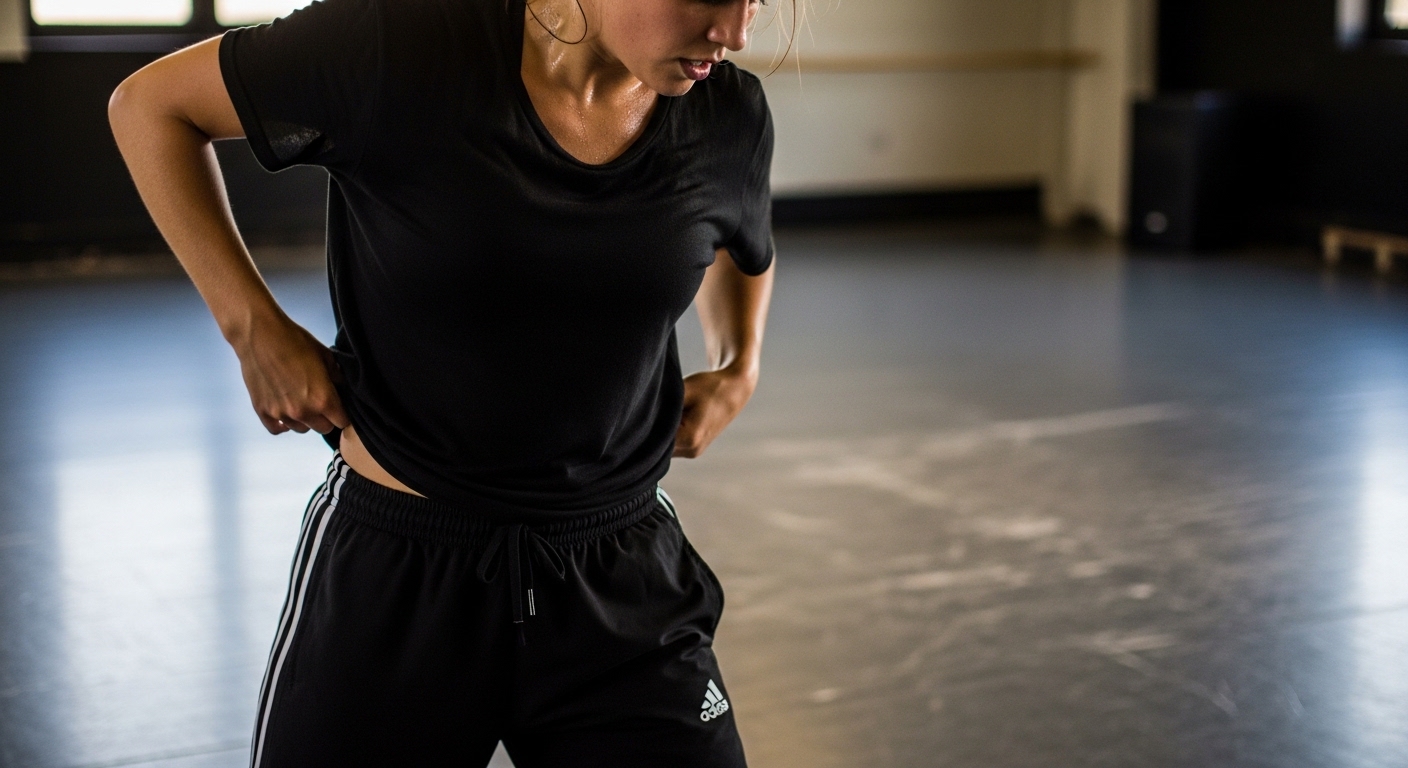
The world of performance art demands everything from those who dedicate themselves to the craft. Actors rehearse for their next audition, dancers perfect their technique in studios across the country, and performers of every discipline push their bodies to the limit in pursuit of artistic excellence.
But behind the curtain, many artists face a challenge that affects both their physical comfort and professional opportunities: concerns about their breast appearance and proportion that can impact everything from costume fittings to movement quality to on-camera presence.
For performers, breast surgery isn’t simply about aesthetics. It’s about removing physical barriers to artistic expression, expanding the range of roles available, and achieving the body confidence necessary to fully inhabit a character or performance.
Unique Needs of Performers
Performers face unique physical demands that set them apart from the general population. The connection between body confidence and artistic expression runs deeper in the performing arts than in almost any other profession.
The Physical Demands of Performance
Dance is one of the most physically demanding art forms, requiring strength, flexibility, balance, and endurance. For dancers with disproportionately large breasts, these physical challenges multiply significantly. The additional weight strains the back, neck, and shoulders, making it difficult to maintain proper posture during demanding choreography.
Stage performers face different but equally significant challenges. Costume fittings can become frustrating when standard sizes don’t accommodate your proportions. Period costumes, fitted bodices, and character-specific wardrobes may not fit properly, limiting the roles you can realistically accept.
On-Camera Considerations
For performers working in film and television, the camera adds another layer of consideration. The screen can emphasize proportions in unexpected ways, and casting decisions often hinge on how actors photograph. While talent should always be the primary consideration, the reality is that physical appearance plays a role in the entertainment industry.
Some performers find that breast augmentation opens doors to roles that require a specific look, while others discover that breast reduction allows them to be considered for a wider range of characters. The goal isn’t conformity to a single standard but rather achieving the look that best serves your artistic goals and expands your professional opportunities.
Breast Reduction for Dancers and Physical Performers
The transformative impact of breast reduction surgery on dancers and physical performers cannot be overstated. For many artists dedicated to movement-based performance, this procedure literally changes what their bodies can do.
“We see performers in our practice regularly, and the change in their lives after breast reduction is remarkable,” says the New Jersey Breast Reduction Center. “Dancers tell us they can finally execute movements they’d been struggling with for years. The physical relief is immediate, but the impact on their confidence and artistic expression is equally profound. When you remove that constant physical burden, performers rediscover the joy and freedom in their movement that drew them to dance in the first place.”
Improving Range of Motion and Performance Quality
Breast reduction removes the physical weight that can limit your movement quality and endurance. After surgery, dancers consistently report improved balance, easier execution of turns and jumps, and the ability to achieve positions that were previously uncomfortable or impossible. The reduction in breast weight allows for better spinal alignment, which is fundamental to nearly every dance technique from ballet to contemporary.
Addressing Chronic Pain and Physical Limitations
Many dancers live with chronic pain from supporting large breasts during demanding movement. Back pain, neck tension, shoulder grooves from bra straps, and headaches can become constant companions. Over time, performers may modify their technique to compensate, potentially developing movement patterns that aren’t optimal for their body.
Breast reduction eliminates the source of this strain, allowing performers to retrain their bodies in proper alignment. The relief many dancers experience is not just physical but psychological, removing a constant source of distraction that had been draining their energy and focus.
Recovery Considerations for Active Performers
Most surgeons recommend at least six to eight weeks before returning to high-impact dance activities, with a gradual progression back to full intensity. Planning your surgery during a natural break in your performance schedule, such as between seasons or productions, allows for optimal healing without jeopardizing professional commitments. Working with a surgeon who understands the specific demands of dance is essential.
Breast Augmentation for Stage and Screen
While breast reduction addresses physical limitations, breast augmentation serves different artistic and professional goals. For some performers, augmentation is about achieving proportions that feel right for their body and support their career objectives.
Expanding Casting Opportunities
The entertainment industry encompasses diverse roles requiring different physical types. Some performers find that breast augmentation helps them compete for roles that require a specific look. Musical theatre, commercial work, and certain film and television roles may favor particular proportions, and augmentation can be a strategic career decision.
However, the most successful augmentations for performers tend to be those that enhance natural proportions rather than creating an obviously artificial appearance. Subtle, proportionate results typically offer the most versatility across different roles and performance contexts.
Restoring Volume After Weight Loss or Pregnancy
Many performers experience changes to their breast volume due to the physical demands of training, weight fluctuations required for roles, or pregnancy and breastfeeding. For those whose careers depend on maintaining a certain appearance or who simply want to restore their pre-change proportions, breast augmentation offers a solution that can renew confidence in fitted costumes and help performers feel like themselves again.
Considerations for Active Performers
For dancers and physically active performers considering augmentation, implant selection and placement are crucial. Submuscular placement (under the chest muscle) tends to provide more natural movement and better support for active lifestyles. Implant size should be carefully chosen to enhance proportions without creating physical limitations.
Modern cohesive gel implants offer a natural feel and appearance that moves well with the body during performance. Your surgeon should understand the physical demands of your art form and help you select options that support rather than hinder your performance capabilities.
Breast Lift: Addressing Shape and Position
Not all breast concerns involve size. Many performers, particularly those who have experienced weight fluctuations, pregnancy, or the effects of aging and gravity, find that a breast lift addresses their needs more effectively than augmentation or reduction alone.
A breast lift, or mastopexy, repositions the breast tissue and nipple to a more elevated position without significantly changing breast size. For performers, this can mean better proportions in fitted costumes, improved appearance in form-fitting dancewear, and renewed confidence in roles that require revealing wardrobe. Some performers combine a lift with modest augmentation to restore upper pole fullness while correcting drooping.
One concern performers often have about breast lift surgery involves scarring, particularly for roles requiring revealing costumes or swimwear. Modern surgical techniques have significantly improved scarring outcomes, and skilled surgeons can often place incisions to minimize visibility. Discussing your performance wardrobe requirements with your surgeon allows for strategic incision planning that balances optimal results with scar discretion.
Choosing the Right Surgeon for Performers
Finding a plastic surgeon who understands the unique needs of performing artists is essential for achieving results that support both your aesthetic goals and your professional requirements.
Experience with Performer-Specific Needs
Look for a surgeon who has experience working with dancers, actors, and other performing artists. They should understand the physical demands of your art form, the importance of natural-looking results that photograph well, and the timeline considerations around performance schedules.
During consultations, discuss your specific performance activities and career goals. A surgeon experienced with performers will ask relevant questions about your movement requirements, typical wardrobe, and professional objectives, tailoring their recommendations accordingly.
Board Certification and Specialized Training
Always verify that your surgeon is board-certified by the American Board of Plastic Surgery. This certification ensures extensive training in plastic and reconstructive surgery techniques. Beyond basic certification, look for surgeons who regularly perform breast procedures and stay current with the latest techniques through continuing education and professional organization membership.
Understand Timing and Recovery
Professional performers need surgeons who can work with schedule constraints and provide realistic guidance on returning to activity. The best surgeons for performers understand that rehearsal and performance schedules can be demanding and unpredictable.
They should provide detailed, activity-specific recovery guidelines. Knowing exactly when you can return to gentle stretching, when you can resume technique class, and when you can safely perform full-out choreography allows you to plan your professional commitments around your surgery.
The Consultation Process for Performing Artists
Preparing for your consultation ensures you get the most value from the appointment and helps your surgeon understand your unique needs as a performer.
Communicating Your Artistic Goals
Come prepared to discuss not just your aesthetic preferences but your functional requirements. Bring photos of typical performance costumes or wardrobe. Describe the physical demands of your art form. Share examples of roles you’d like to be considered for or movement qualities you want to achieve.
If you’re a dancer, consider demonstrating specific movements or positions that are currently challenging. This gives your surgeon valuable insight into how your breasts affect your movement. For actors, bring examples of headshots or production photos that illustrate how you currently photograph and discuss how you’d like to be perceived on camera.
Realistic Expectations for Results
The best surgical outcomes come when expectations align with reality. Your surgeon should be honest about what can and cannot be achieved, how results might affect your performance capabilities, and what trade-offs might be necessary.
While breast reduction will improve physical comfort and movement, it will result in permanent scarring. Breast augmentation will enhance size and shape but requires accepting implants as permanent foreign objects in your body. Understanding these realities upfront ensures satisfaction with your decision.
Recovery and Return to Performance
Planning your recovery carefully ensures optimal healing and the best possible long-term results, while minimizing time away from your artistic work.
Timeline for Different Performance Activities
Recovery timelines vary based on the specific procedure and your individual healing. Generally, most patients can return to light activity like walking within days of surgery. Low-impact activities like gentle yoga or basic acting work might be possible within two to three weeks.
However, high-impact dance, vigorous stage combat, or other demanding physical performance typically requires six to eight weeks of healing, sometimes longer. Rushing back to full activity before proper healing can compromise results and increase complication risks.
Maintaining Results as a Performer
Once you’ve achieved your desired results, maintaining them requires ongoing attention. Wearing appropriate support garments during rehearsals and performances protects your investment. Maintaining stable weight prevents changes to your breast appearance. For performers with implants, being mindful of high-impact activities and wearing proper support during vigorous movement helps ensure implant longevity.
Regular follow-up with your surgeon, particularly in the first year after surgery, ensures any concerns are addressed quickly and your results continue to serve your artistic and professional goals.
Making the Decision: Breast Surgery as an Investment in Your Career
For performers, breast surgery represents an investment in both personal wellbeing and professional opportunity. The decision to pursue surgery should come from a place of self-determination and clear understanding of your goals.
The right breast surgery, performed by a skilled surgeon who understands the demands of performance, can remove physical barriers to your art, expand your professional opportunities, and allow you to fully inhabit your roles with confidence and comfort. Whether you’re a dancer seeking physical relief, an actor looking to expand your casting range, or any performer wanting to feel more at home in your body, breast surgery can be a powerful tool in your artistic journey.