



According to the American Academy of Pediatric Dentistry’s 2024 guidelines, children should have their first dental visit by age one or within six months of their first tooth appearing — yet research shows only 43% of children receive dental care before age two. As pediatric dentistry increasingly emphasizes prevention over treatment, this early intervention window has become critical for long-term oral health outcomes. The gap between recommended and actual practice leaves millions of children vulnerable to preventable dental problems that can affect everything from nutrition to speech development.
For Cumberland County families, this timing matters even more. With diverse communities where English may not be the primary language and varying levels of insurance coverage, navigating early dental care requires understanding both the clinical benefits and the practical logistics of finding appropriate providers. The stakes extend beyond avoiding cavities — early dental visits establish the foundation for a lifetime of oral health habits and can prevent costly interventions down the road.
What many parents don’t realize is that those critical first five years represent a narrow window where intervention is both most effective and most necessary. The decisions made during this period shape not just baby teeth health, but permanent tooth development that’s already happening beneath the gums.
Why Early Dental Visits Matter for Young Children
The mouth of a three-year-old operates on completely different principles than an adult’s. Baby teeth aren’t just placeholders — they’re actively guiding the development of permanent teeth underneath, maintaining proper spacing, and enabling crucial functions like chewing and clear speech. When problems develop during these formative years, they cascade in ways that become exponentially more complex to address later.
Early dental visits catch issues while they’re still manageable. Enamel hypoplasia — weak spots in tooth enamel that appear as white or brown patches — affects roughly 15% of children according to recent CDC surveillance data, but it’s often missed by parents until significant decay has occurred. Pediatric dentists can spot these vulnerable areas and apply protective treatments before cavities take hold.
The biological reality is that children’s teeth mineralize differently than adults’. The enamel on baby teeth is thinner and more porous, making them susceptible to rapid decay once bacteria establish themselves. What might take months to develop in an adult tooth can happen in weeks with baby teeth. A small cavity discovered at age two might require a simple fluoride treatment, while the same cavity discovered at age four could need a crown or extraction.
Consider a toddler who drinks from a sippy cup filled with apple juice throughout the day. Parents see this as healthier than soda, but the constant sugar exposure creates an ideal environment for bacteria. By age three, this child might have baby bottle tooth decay affecting multiple teeth — a condition that can impact eating, speaking, and the proper development of permanent teeth. Early dental visits would have identified this risk pattern and provided alternatives before damage occurred.
The timing also matters for establishing positive associations with dental care. Children who have regular, gentle dental experiences before age five are significantly more likely to maintain good oral health habits into adulthood and less likely to develop dental anxiety that can persist for decades.
How Parents Shape Early Dental Habits
Parents wield enormous influence over their child’s dental future, often in ways they don’t fully recognize. The habits established in the first few years — from how teeth are cleaned to what children drink — create patterns that persist long after baby teeth are gone. Research consistently shows that children whose parents prioritize oral health during infancy and toddlerhood maintain better dental health throughout childhood and into adolescence.
The challenge for most families isn’t knowing that dental care matters, but understanding how to implement it practically with very young children. A two-year-old doesn’t understand the concept of cavities, but they absolutely understand routines, comfort, and parental attention. The key lies in making oral care feel normal and positive rather than medicinal or punitive.
Timing plays a crucial role here. Parents who wait until a child has obvious dental problems to establish care routines face an uphill battle. The child associates dental activities with discomfort, and parents often feel guilty or stressed, which children pick up on immediately. Starting early, when dental care is purely preventive and comfortable, creates entirely different associations.
Managing Behaviors That Affect Dental Health
Three behaviors significantly impact early dental development: prolonged bottle use, thumb-sucking, and pacifier dependency. Each serves important developmental functions initially but can create problems if they persist too long or are managed incorrectly.
Bottle-to-cup transitions should ideally happen between 12-15 months, but many parents struggle with this timing. The issue isn’t just what children drink, but how long liquid stays in contact with teeth. Bottles and sippy cups allow prolonged sipping, bathing teeth in whatever liquid they contain. Even milk and diluted juice become problematic when sipped slowly over extended periods.
The transition strategy that works best involves introducing regular cups during meals while gradually reducing bottle frequency. Parents often worry about spills and messes, but the oral health benefits of learning to drink quickly rather than sip constantly are substantial. For families where bottles provide comfort beyond nutrition, focusing the transition on daytime bottles first, then bedtime, helps children adjust gradually.
Thumb-sucking and pacifier use affect dental development differently depending on intensity and duration. Gentle sucking typically doesn’t cause problems before age four, but aggressive sucking can begin affecting tooth alignment and palate development much earlier. The key distinction is whether the habit is active (forceful) or passive (gentle comfort).
The Influence of Parental Modeling on Children’s Habits
Children learn oral hygiene through observation far more than instruction. Parents who brush their teeth with enthusiasm, make positive comments about dental care, and demonstrate good habits create powerful modeling that shapes long-term behaviors. Conversely, parents who rush through brushing, complain about dental visits, or skip oral care when they’re tired send equally strong messages.
The most effective approach involves making oral care a family activity rather than a chore imposed on children. When parents brush alongside their toddlers, maintain the same bedtime routine consistently, and show genuine interest in keeping teeth clean, children absorb these attitudes naturally.
Emotional associations matter tremendously at this age. Parents who remain calm and matter-of-fact about dental care, even when children resist, help establish that oral hygiene is simply part of daily life rather than something to be feared or negotiated. This consistency pays dividends when children reach school age and take more responsibility for their own care.
Language choices also influence attitudes. Parents who talk about “fighting cavities” or “getting rid of germs” create a more engaging narrative than those who focus on rules and requirements. Children respond well to having an active role in maintaining their health rather than being passive recipients of care.
Practical Techniques for Early Dental Care
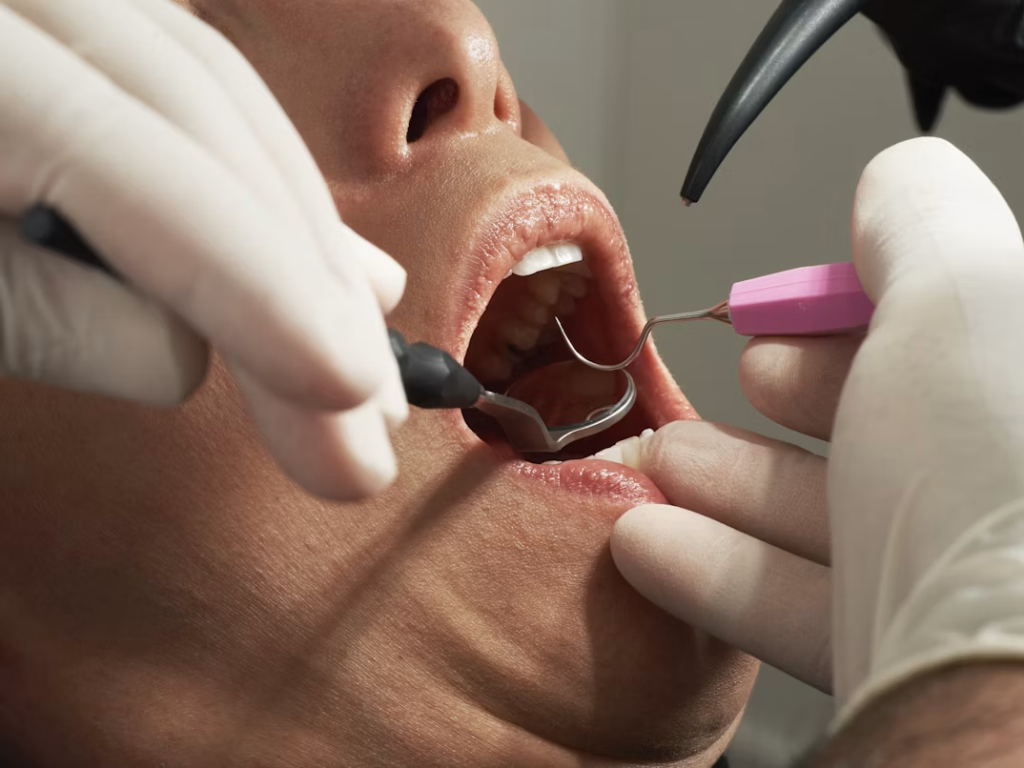
Implementing effective dental care for infants and toddlers requires adapting adult techniques to accommodate developing motor skills, shorter attention spans, and the unique challenges of very small mouths. The goal isn’t perfection but consistency and gradual improvement as children grow.
Positioning strategies make the biggest difference in successful early dental care. For infants, the knee-to-knee position works well — one parent holds the child while facing another adult who can see into the mouth clearly. This provides stability and visibility while keeping the experience calm. As children become more mobile, letting them stand on a sturdy step stool at the bathroom sink and helping from behind often works better than trying to force them to lie down.
The progression from finger brushes to toothbrushes should match the child’s development rather than their age. Some eighteen-month-olds handle soft-bristled toothbrushes well, while others need finger brushes until age two. The key is ensuring that all tooth surfaces get cleaned effectively rather than rushing to use “grown-up” tools before children are ready.
Fluoride timing requires careful attention to both effectiveness and safety. Children under three should use fluoride toothpaste, but only a rice-grain-sized amount, and parents should do the brushing to ensure minimal swallowing. Between ages three and six, a pea-sized amount of fluoride toothpaste is appropriate, but adult supervision remains essential since most children don’t develop reliable spitting ability until age five or six.
Proper Brushing Routines and Fluoride Use
Effective brushing for young children focuses on thoroughness rather than technique perfection. The two-minute guideline that works for adults often proves counterproductive with toddlers — it’s better to aim for thorough cleaning of all surfaces, even if it takes less time initially, than to create battles over duration.
Brush selection matters more for young children than adults. Soft bristles are essential, but the brush head size is equally important. Many “toddler” toothbrushes are still too large for thorough cleaning of back molars in small mouths. Parents should prioritize reaching all surfaces over using age-marketed products.
The timing of fluoride application affects its effectiveness significantly. Rinsing immediately after brushing reduces fluoride’s protective benefits, but most young children want to rinse or drink water after brushing. A compromise approach involves letting children rinse lightly, then applying a small amount of fluoride toothpaste to their finger and spreading it on tooth surfaces as a final step.
Professional fluoride treatments during early dental visits provide concentrated protection that home care can’t match. These applications are particularly valuable for children at higher risk due to diet, genetics, or difficulty with home oral care routines.
How Diet Influences Child Teeth Development
Diet affects young children’s teeth both directly through contact and systemically through nutrition that supports tooth development. The frequency of eating often matters more than the specific foods consumed — teeth can recover from occasional sugar exposure, but constant snacking creates ongoing acid attacks that overwhelm natural protective mechanisms.
Hidden sugars in foods marketed as healthy pose particular risks. Crackers, dried fruit, and even some baby foods contain sugars that feed bacteria effectively. The stickiness of foods also influences their impact — raisins and fruit snacks cling to teeth much longer than cookies or candy that dissolve quickly.
Drink choices have enormous impact during the critical early years. Water and plain milk are the only beverages that don’t feed harmful bacteria. Even 100% fruit juice, when consumed regularly, provides enough sugar to fuel significant decay. For families who use juice, limiting it to meal times and diluting it with water reduces risk substantially.
The timing of food and drink consumption creates opportunities for protection. Ending meals and snacks with water helps rinse away food particles and sugars. Cheese, which is high in calcium and helps neutralize acid, makes an excellent final bite for children old enough to eat it safely.
Recognizing and Preventing Early Dental Problems
Early dental problems in young children often develop rapidly and with minimal obvious symptoms until they’re well-established. Unlike adult dental issues that may progress slowly over months or years, children’s thinner enamel and different oral bacteria can create significant problems in weeks. Parents who understand what to look for can catch issues while they’re still easily treatable.
White spots on teeth represent the earliest stage of decay — areas where acid has begun demineralizing enamel but hasn’t yet created a cavity. These spots often appear along the gum line or in the grooves of back teeth and may be barely visible to untrained eyes. However, they respond well to fluoride treatments and improved oral hygiene when caught at this stage.
Brown or black lines in tooth grooves, particularly on molars, indicate more advanced decay that requires professional treatment. Many parents mistake these for stains, especially if the child hasn’t complained of pain. Children’s pain responses differ significantly from adults — they often don’t experience discomfort until decay reaches advanced stages or causes infection.
Behavioral changes can signal dental problems before visual symptoms appear. Children who suddenly start chewing on one side of their mouth, refuse certain foods, or wake up crying at night may be experiencing dental pain they can’t articulate clearly. Sleep disruption is particularly common with dental infections in young children.
Gum inflammation around specific teeth often indicates problems with those teeth, even when the teeth themselves look normal. Red, swollen, or bleeding gums in toddlers aren’t usually related to inadequate brushing alone — they often signal underlying issues that need professional evaluation.
Early orthodontic screening during routine dental visits can identify problems while they’re still developing. Issues like crossbites, severe crowding, or significant spacing problems are much easier to address when children are younger and their jaw development is still malleable. Many families in Cumberland County find that Kool Koala Pediatric Dentistry provides comprehensive early orthodontic evaluation as part of routine preventive care.
Prevention strategies during these early years focus on creating conditions where problems are less likely to develop rather than simply treating them after they occur. This includes not just home care, but professional interventions like sealants for molars and regular fluoride applications that provide protection beyond what brushing and good diet can achieve alone.
The goal isn’t to eliminate all risk — some children are genetically predisposed to dental problems despite excellent care. Instead, early prevention aims to minimize risk factors and catch any developing issues while they’re still manageable with conservative treatment.
Accessing Pediatric Dental Care in Cumberland County
Finding appropriate pediatric dental care in Cumberland County involves navigating both clinical quality and practical considerations like language accessibility, insurance acceptance, and office locations that work for busy families. The region’s diverse communities often need providers who understand cultural differences in health care approaches and can communicate effectively with families whose primary language isn’t English.
Medicaid acceptance varies significantly among local pediatric dental practices, and families should verify coverage details before scheduling appointments. New Jersey’s Medicaid dental benefits for children are comprehensive, but not all providers participate in the program. Families should ask specifically about coverage for preventive visits, fluoride treatments, and any additional services their child might need.
Bilingual services extend beyond having Spanish-speaking staff — truly effective communication includes understanding cultural attitudes toward dental care, different comfort levels with medical procedures, and varying family decision-making processes. Some families prefer providers who can explain procedures and home care instructions in their native language, ensuring nothing gets lost in translation when it comes to their child’s health.
Office environments designed specifically for children can make substantial differences in how young patients respond to dental care. Features like child-sized furniture, engaging waiting areas, and staff trained in child behavior management help create positive associations with dental visits from the very beginning.
Scheduling flexibility matters for families with multiple children or parents working non-traditional hours. Some practices offer early morning or evening appointments, while others provide sibling appointments that allow families to complete multiple visits efficiently.
The investment in finding the right pediatric dental provider pays dividends throughout childhood. Children who have positive early experiences with dental care are significantly more likely to maintain good oral health habits and continue regular preventive visits as they grow older. For Cumberland County families, this foundation becomes particularly important as children enter school systems where dental health can affect everything from classroom comfort to social interactions.