


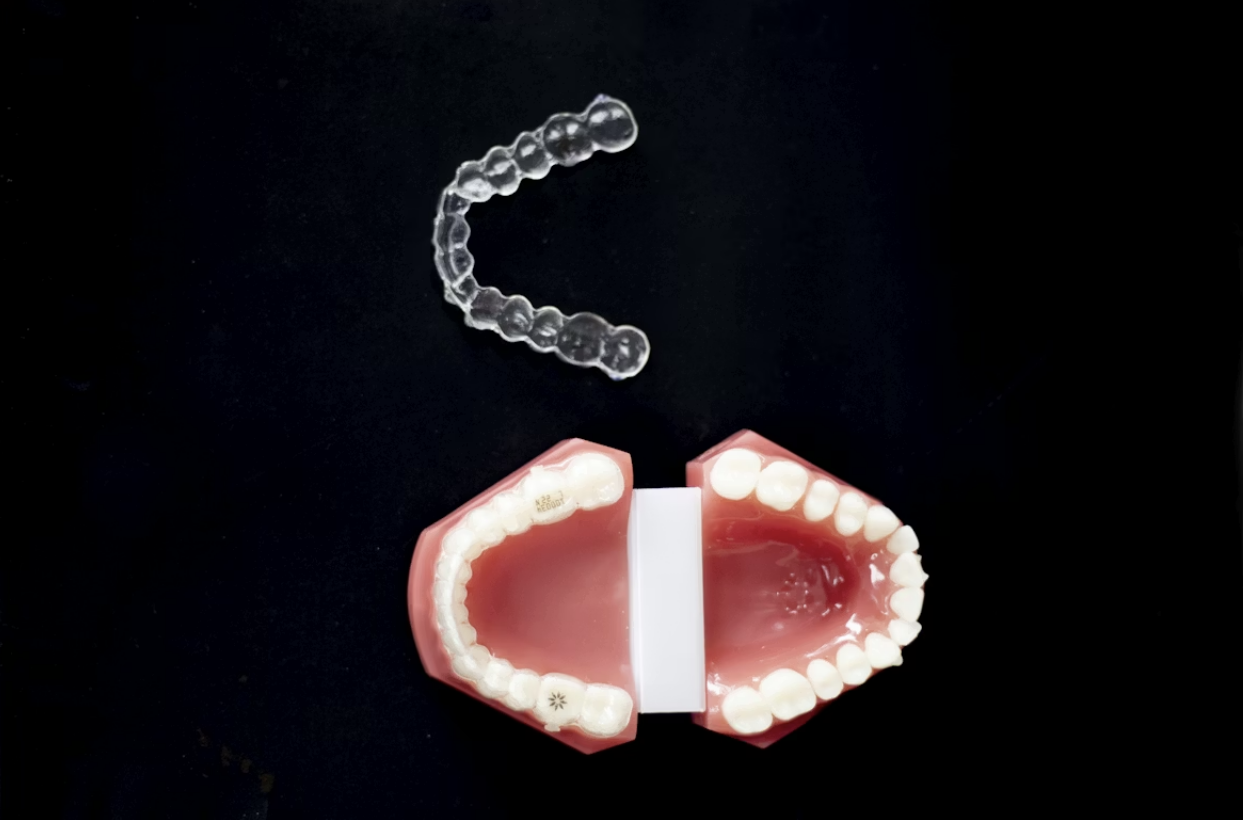
According to the American Association of Orthodontists’ 2024 practice survey, nearly 75% of orthodontic patients now inquire about clear aligner options during their initial consultation — a dramatic shift from just a decade ago when traditional braces dominated the conversation. This surge in interest has created a complex pricing landscape where Invisalign treatment costs can range anywhere from $3,000 to $8,000, leaving many patients struggling to understand what drives these significant variations.
The stakes of this pricing confusion extend beyond simple sticker shock. As dental insurance coverage for orthodontic treatment becomes increasingly selective and employers adjust HSA contribution limits, families need transparency about what influences Invisalign costs before committing to treatment that typically spans 12 to 24 months. The difference between an informed decision and an expensive surprise often comes down to understanding the specific factors that orthodontists consider when calculating treatment fees — from case complexity and regional market dynamics to provider experience levels and available financing structures.
How Invisalign Treatment Costs Are Calculated
Behind every Invisalign quote lies a methodical assessment of multiple cost components that most patients never see. Unlike traditional braces where materials and labor costs remain relatively standardized, Invisalign pricing reflects a sophisticated treatment planning process that begins before the first aligner touches your teeth.
Treatment complexity serves as the primary cost driver, determining how many aligners you’ll need and how frequently you’ll visit your orthodontist. Simple cases involving minor spacing issues might require 15-20 aligners over 8-12 months, while complex cases addressing severe crowding or bite correction can demand 40+ aligners spanning 18-24 months. Each additional aligner represents both material costs and extended monitoring requirements that directly impact your final bill.
The orthodontist’s fee structure typically accounts for 60-70% of total treatment costs, covering everything from initial consultations and digital impressions to progress monitoring and final retainer fitting. Practices factor in their overhead expenses — from advanced 3D scanning equipment that can cost $25,000-$40,000 to specialized staff training required for Invisalign case management. Geographic location heavily influences these overhead calculations, with metropolitan areas commanding premium fees that reflect higher rent, labor costs, and market demand.
Technology integration adds another layer to cost calculations. Practices using Align Technology’s latest iTero scanners and ClinCheck software often charge premium rates, but they also deliver more precise treatment planning and potentially shorter treatment times. Some orthodontists include refinement aligners (additional sets needed if initial treatment doesn’t achieve desired results) in their base fee, while others charge separately — a distinction that can add $500-$1,500 to unexpected costs down the road.
The payment structure itself influences total costs, with practices offering different pricing for upfront payment versus extended payment plans. Cash discounts of 3-5% are common, while financing arrangements through third-party providers often include interest charges that can increase total treatment costs by 10-15% over the payment period.
Regional and Provider-Related Variations in Invisalign Pricing
Geographic Cost Differences Across States
The geography of Invisalign pricing reveals stark disparities that extend far beyond simple cost-of-living adjustments. Patients in Manhattan might pay $6,500-$8,000 for treatment that costs $3,500-$4,500 in rural Tennessee — differences that reflect local market dynamics rather than treatment complexity alone.
High-cost metropolitan areas like San Francisco, Boston, and Washington D.C. consistently rank among the most expensive regions for Invisalign treatment, with average costs ranging $5,500-$7,500. These markets combine elevated overhead expenses with high patient demand and limited provider availability, creating pricing pressure that patients absorb through higher treatment fees. Conversely, smaller cities and rural areas in states like Oklahoma, Arkansas, and Kentucky often feature Invisalign costs 25-35% below national averages, reflecting lower overhead costs and increased competition among providers seeking to differentiate their practices.
State-level factors also influence pricing patterns. California’s stringent continuing education requirements for orthodontists create additional training costs that practices often pass through to patients, while states with fewer regulatory barriers may offer more competitive pricing. Insurance regulations vary significantly by state, affecting how much orthodontic coverage patients can access and consequently influencing market pricing strategies.
Influence of Provider Experience on Invisalign Fees
Provider credentials and experience levels create substantial fee variations that patients often underestimate when comparing treatment options. Board-certified orthodontists typically charge 15-25% more than general dentists offering Invisalign, reflecting their specialized training and ability to handle complex cases that might require retreatment if managed incorrectly.
Invisalign provider status within Align Technology’s tiered recognition system directly correlates with pricing authority. Elite Providers and Diamond Plus providers — designations earned through high case volumes and clinical outcomes — often command premium fees while offering advantages like priority access to new aligner technologies and faster case processing times. These providers have demonstrated expertise in managing difficult cases that less experienced practitioners might refer out, justifying higher fees through reduced treatment complications and more predictable outcomes.
Practice specialization adds another cost dimension. Orthodontic specialists who focus exclusively on teeth movement typically invest more heavily in advanced training and equipment compared to general dentists who offer Invisalign as one service among many. This specialization often translates to higher fees but potentially shorter treatment times and fewer required refinements, affecting the total cost equation beyond initial pricing comparisons.
Comparison Between Invisalign and Traditional Braces Costs

The financial landscape between Invisalign and traditional braces reveals nuanced cost considerations that extend beyond simple upfront pricing comparisons. While metal braces typically range from $2,500-$6,000 nationally — appearing cheaper than Invisalign’s $3,500-$8,000 range — the total cost picture becomes more complex when factoring in treatment duration, maintenance requirements, and long-term outcomes.
Treatment timeline differences significantly impact total investment calculations. Traditional braces often require 18-36 months of active treatment, with monthly adjustment appointments costing $50-$150 each. Invisalign cases frequently complete in 12-24 months with less frequent monitoring visits, potentially offsetting higher aligner costs through reduced office visit expenses and shorter overall treatment periods.
Maintenance and emergency costs favor Invisalign in most scenarios. Traditional braces patients face potential emergency visits for broken brackets or poking wires, with repair costs ranging $25-$250 per incident. The American Association of Orthodontists reports that 65% of traditional braces patients experience at least one bracket breakage during treatment. Invisalign patients avoid these emergency expenses but face different risks — lost aligners cost $100-$200 to replace, though this typically occurs less frequently than bracket repairs.
Insurance coverage patterns often slightly favor traditional braces, with many plans offering higher reimbursement rates for conventional orthodontic treatment. However, this gap continues narrowing as Invisalign gains acceptance among insurance providers. Most orthodontic benefits cap at $1,000-$2,000 annually regardless of treatment type, making the coverage difference less significant for patients with comprehensive cases requiring extended treatment.
Hidden costs reveal additional considerations. Traditional braces require specialized cleaning tools and dietary restrictions that can add $200-$400 annually in maintenance supplies and potential food cost increases. Invisalign patients need replacement retainers more frequently but avoid the dietary limitations and specialized cleaning requirements associated with fixed appliances.
Insurance, Payment Plans, and Strategies to Manage Invisalign Costs
Insurance and Financing Options for Invisalign
Navigating Invisalign insurance coverage requires understanding how orthodontic benefits differ from general dental coverage. Most dental insurance plans classify Invisalign as orthodontic treatment, triggering separate benefit structures with distinct lifetime maximums typically ranging $1,000-$2,500. Unlike preventive dental benefits that reset annually, orthodontic benefits often provide one-time lifetime coverage, making strategic timing crucial for maximizing insurance value.
Flexible Spending Accounts (FSA) and Health Savings Accounts (HSA) offer significant tax advantages for Invisalign payments, effectively reducing treatment costs by your marginal tax rate. For families in the 22% tax bracket, a $5,000 Invisalign treatment costs approximately $3,900 after tax savings — a reduction worth considering when comparing treatment options. However, FSA funds must typically be used within the plan year, requiring careful coordination with treatment timelines and payment schedules.
Third-party financing through providers like CareCredit, LendingClub, or practice-specific payment plans has become standard across most orthodontic offices. Interest-free promotional periods of 12-24 months are common, though patients must understand that deferred interest (not forgiven interest) typically applies if balances aren’t cleared by the promotional deadline. For those who need an accurate estimate of monthly costs, a cost calculator for Invisalign can help families budget effectively before committing to treatment timelines.
Tips to Reduce Invisalign Treatment Expenses
Strategic timing can significantly impact Invisalign costs, with many practices offering seasonal promotions during slower periods like late fall or early winter. End-of-year timing also allows patients to maximize FSA benefits before December deadlines while potentially taking advantage of holiday promotions that some practices use to boost year-end case starts.
Multi-child discounts at family-focused practices often provide 10-20% reductions for families treating multiple children simultaneously, making coordination beneficial beyond simple scheduling convenience. Some orthodontists extend similar professional courtesy discounts to healthcare workers, teachers, or military families — benefits worth inquiring about during initial consultations.
Avoiding unnecessary add-ons helps control total costs. While services like teeth whitening, premium retainer cases, or accelerated treatment options might seem attractive, they typically add $200-$800 to base treatment fees without significantly improving primary outcomes. Focus discussions on essential treatment components rather than convenience upgrades that inflate final costs.
Consider consultation shopping strategically, as many orthodontists offer free initial evaluations that include treatment estimates. Comparing 2-3 detailed treatment plans helps identify cost variations while ensuring you understand what each fee includes. However, avoid choosing providers based solely on lowest cost — inadequate treatment requiring retreatment often costs more than proper initial treatment from experienced providers.
Long-Term Financial Considerations and Cost Effectiveness
Research examining Invisalign cost effectiveness reveals compelling data about long-term value that extends beyond initial treatment investments. A 2023 study published in the American Journal of Orthodontics found that Invisalign patients reported 89% satisfaction rates five years post-treatment compared to 76% satisfaction among traditional braces patients, suggesting higher perceived value despite greater upfront costs.
Total lifetime orthodontic expenses often favor Invisalign when considering retreatment rates and long-term maintenance requirements. Traditional braces patients show higher incidences of tooth demineralization and gum recession that can require expensive restorative work years after treatment completion. Invisalign’s removable design typically preserves better oral health during active treatment, potentially reducing future dental expenses that don’t appear in initial cost calculations.
The professional and social benefits of discreet treatment create measurable value for adult patients that purely financial analyses often overlook. Adults completing Invisalign report higher confidence levels in professional settings and greater treatment compliance compared to those who delayed orthodontic care due to appearance concerns about traditional braces. While difficult to quantify precisely, these psychological benefits represent real value that justifies premium pricing for many patients.
Retention success rates also impact long-term cost effectiveness. Invisalign patients often maintain better retainer compliance due to familiarity with removable appliances, leading to more stable long-term results and lower likelihood of requiring future orthodontic intervention. This factor becomes particularly significant for adult patients who’ve delayed treatment and want permanent resolution rather than temporary improvement.
Looking ahead, understanding these cost factors becomes essential as orthodontic technology continues evolving and insurance coverage expands. The investment in properly planned Invisalign treatment today often prevents more complex and expensive interventions later, making thorough cost analysis worth the effort for anyone considering clear aligner therapy.