


In manufacturing, being efficient is crucial. Every second counts, and finding ways to enhance processes can greatly increase output and profits. Manufacturers seek practical strategies to boost productivity, including optimizing workflows and using high-quality equipment. A well-organized production environment can also improve team morale and final product quality.
To improve production efficiency, consider every part of the operation. Equipment, workflows, and materials play key roles in how a business runs. Let’s explore ways to improve production efficiency in manufacturing.
Streamlined Processes
A clear workflow is vital for manufacturing. Each step in the production process should be straightforward to avoid delays. This involves examining all aspects of production, from receiving raw materials to packaging the finished product. By identifying bottlenecks and redundancies, manufacturers can take actions to enhance operations.
Think about using lean manufacturing principles to cut waste. This could mean rearranging workstations for smoother transitions or adopting just-in-time inventory systems. Even small changes can significantly improve speed and efficiency.
Quality Matters
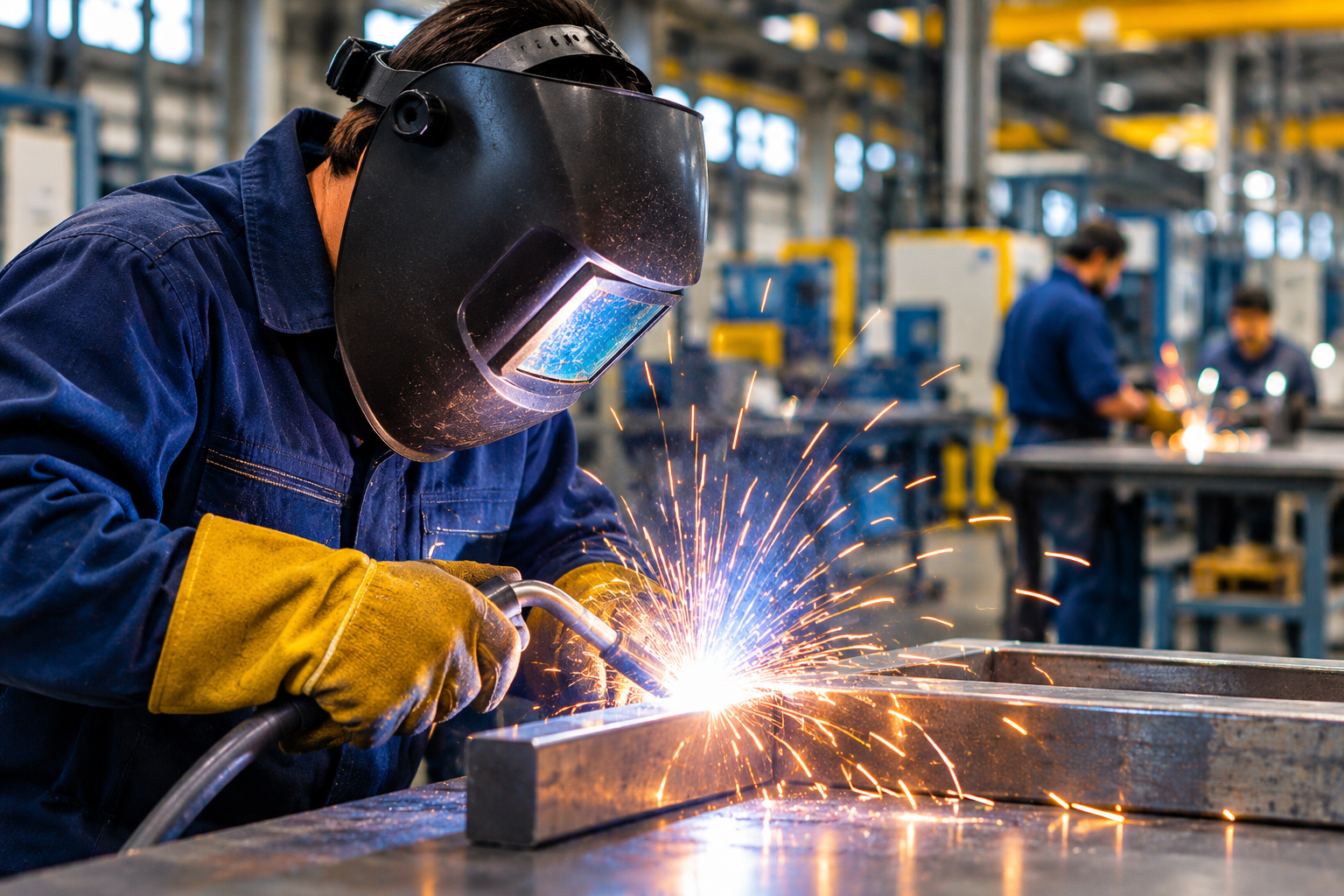
Good welding supplies are essential for smooth manufacturing processes. Having the right materials on hand affects weld quality and overall workflow. High-quality welding rods, wires, and protective gear lead to stronger, more reliable joints, reducing the need for rework and waste.
When manufacturers focus on quality welding supplies, they build a foundation for durable products. This investment can improve efficiency by reducing downtime and repair needs. With the right supplies, welders can work faster while staying safe and precise, which is critical in fast-paced manufacturing.
Easy access to welding supplies also allows flexibility in the fabrication process, helping make quick adjustments when necessary. This flexibility is important for meeting customer demands and keeping production schedules on track, ensuring smooth operations.
Training and Development
Investing in employee training can boost efficiency. When workers are well trained, they do their tasks better and can adapt to production changes. Regular training keeps skills sharp and introduces new techniques that can improve productivity.
Encouraging a culture of continuous improvement allows employees to share ideas. This teamwork can lead to innovative solutions that enhance efficiency. When everyone feels empowered to contribute, it creates a positive environment for making changes.
Versatility and Precision
Welding machines are essential in manufacturing. They provide flexibility and accuracy, which boost productivity. Modern welding machines use advanced technology to work faster and more reliably. They improve weld quality and reduce the time needed for each task, helping teams meet tight deadlines.
When manufacturers invest in high-performance welding machines, they can handle a variety of projects more effectively. Features like automatic settings and programmable options help welders produce consistent results across different tasks. This consistency is crucial for scaling production, as it ensures quality while raising output.
Additionally, reliable welding machines enhance worker safety and comfort. Ergonomic designs and good cooling systems help operators work longer without fatigue. Comfortable workers tend to be more productive, which positively affects the entire manufacturing process.
Smart Stocking
Good inventory management can greatly improve production efficiency. By tracking raw materials, components, and spare parts, manufacturers ensure everything is available when needed and avoid unwanted downtime. Digital inventory systems can simplify this by providing real-time data on stock levels and usage trends.
Using just-in-time inventory practices allows manufacturers to reduce extra stock while keeping enough materials to meet production needs. This balance lowers costs and reduces waste, improving profits.
By forecasting demand based on market trends, manufacturers can stay ahead. When companies can predict which products will be popular, they can adjust production schedules to match customer needs. This approach enhances efficiency and boosts customer satisfaction.
Teamwork
Boosting production efficiency hinges on people, not just technology or equipment. Encouraging teamwork can lead to creative solutions and shared responsibility for the production process. Clear communication helps everyone, from management to the production floor, stay aligned with common goals.
Regular meetings to review progress and challenges encourage brainstorming and new ideas for improvement. When employees feel valued and included in decision-making, their motivation increases, transforming productivity.
Sharing best practices between departments fosters a culture of efficiency. When teams learn from each other’s successes and challenges, they can adopt proven strategies, leading to a well-rounded approach to improving manufacturing efficiency.