


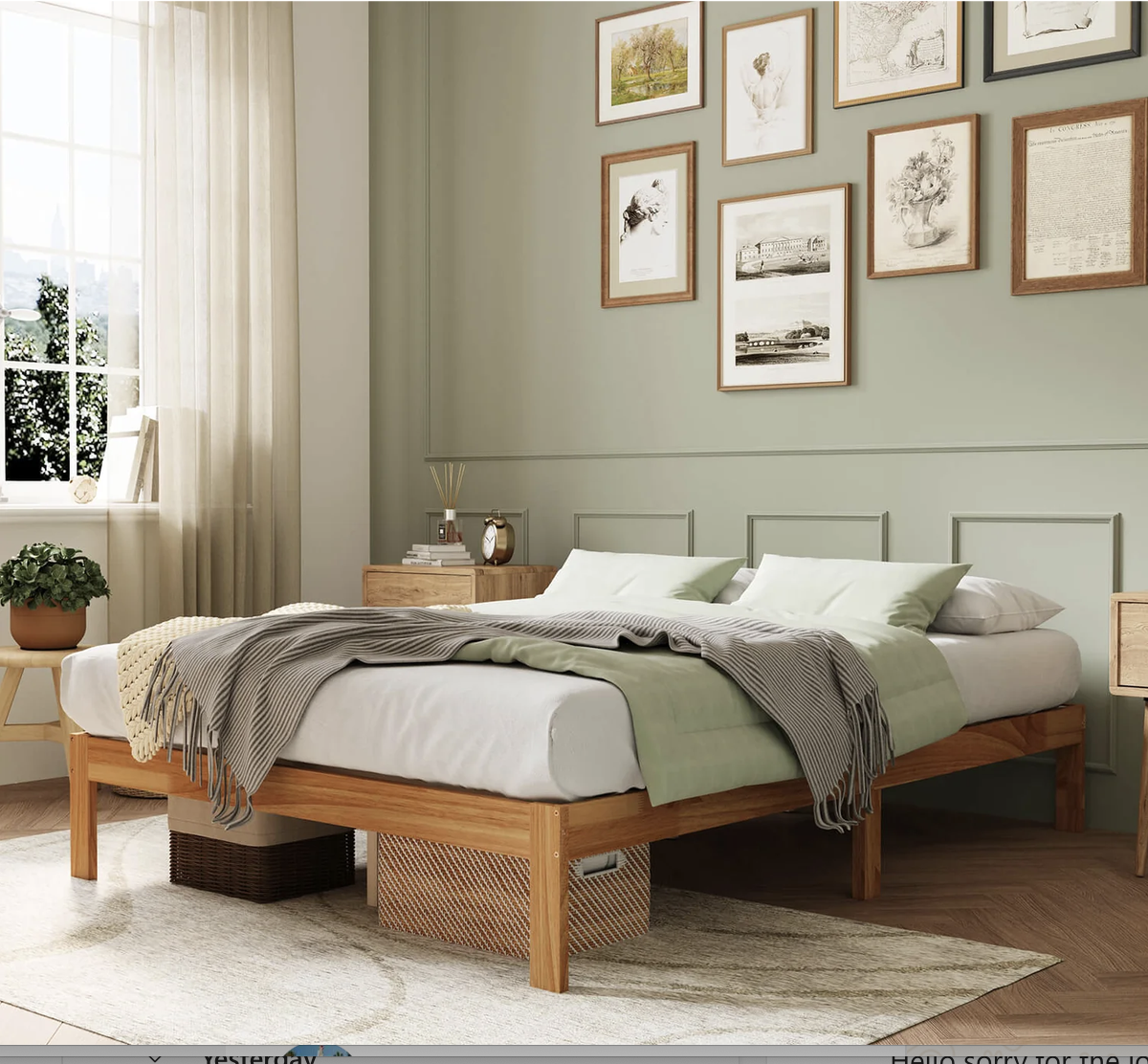
A thoughtfully designed bedroom does not need an elaborate renovation or a collection of expensive furniture to feel complete. Often, its character comes from a few well-considered choices: the texture of natural wood, the warmth of carefully placed lighting, and enough open space for the room to feel comfortable. When these elements work together, the bedroom feels less like a collection of separate objects and more like a space designed around everyday living.
The bed is usually the natural starting point. Its size, finish, and position influence the appearance of almost everything around it, from bedside tables to wall decorations. A wood bed frame with headboard can introduce warmth and establish a visual anchor, while suitable lighting highlights the material without making the room feel overly formal. The secret is to create a balance between visual appeal and practical details, allowing the bedroom to feel inviting during the day and comfortable in the evening.
Let Natural Wood Establish the Room’s Character
Wood brings a distinctive quality to bedroom interiors because its grain, color, and texture add visual interest without requiring complicated decoration. Pale wood can make a room feel light and relaxed, while deeper brown finishes often create a richer, more traditional atmosphere. Even small differences in grain and tone can influence how the bed relates to flooring, wall colors, and other furniture.
Rather than matching every wooden item exactly, consider how different finishes work together. A natural wood bed can sit comfortably alongside painted bedside tables, woven baskets, linen curtains, or a soft rug. These contrasting materials prevent the room from looking too uniform while allowing the bed to remain the main focal point.
Give the Headboard Wall a Clear Purpose
The wall behind the bed offers an opportunity to establish the bedroom’s visual direction. A wooden headboard can provide structure and help distinguish the sleeping area from the rest of the room, especially in an open-plan space or a bedroom with limited architectural detail. Its height and width should relate to the mattress and nearby furniture rather than overpowering them.
Artwork, wall panels, or a carefully chosen paint color can add interest without competing with the headboard. For a room with a strong wood grain, simpler wall decoration may be enough. If the headboard has a restrained design, a larger artwork or subtle textured finish can introduce another layer of character. Leaving some wall space uncluttered helps the overall arrangement feel intentional.
Lighting Should Follow the Way the Bedroom Is Used
A single ceiling light rarely meets every bedroom need. Bright overhead illumination is useful for getting dressed, cleaning, or finding items in a wardrobe, but it can feel harsh when the aim is to unwind at night. A more flexible arrangement combines general lighting with smaller sources that support specific activities.
Bedside lamps are a familiar choice, although wall-mounted reading lights can free up space on compact tables. Adjustable fixtures are useful when two people share a bedroom and have different reading habits. Warm-toned bulbs can create a softer evening atmosphere, while dimmers make it easier to adjust the brightness without changing the entire lighting arrangement.
The placement of each fixture matters as much as its appearance. A lamp should illuminate a book without shining directly into someone’s eyes, and decorative lighting should highlight the room’s features rather than create distracting glare. Planning these details around the bed makes the lighting feel connected to the design instead of added as an afterthought.
Use the Bed Frame to Connect Style With Everyday Function
A bed frame must do more than complement the room’s colors. It also needs to support the mattress, fit the available floor space, and work with the way the bedroom is used. A bulky frame can make a smaller room feel crowded, while a design with clean lines may leave more visual breathing room around the bed.
The Novilla Classic Wooden Bed Frame offers a simple example of how a functional foundation can contribute to a room’s overall appearance. Its solid wood construction, reinforced slats, and understated design suit a range of interior styles. The frame also provides approximately 8.5 inches of under-bed clearance, which can be useful for storing suitable baskets or keeping some items out of sight. Its dimensions and available finish should be checked against the room plan before the rest of the furniture is arranged.
A frame with a separate headboard or an integrated headboard will create a different visual effect, so it is important to choose the design that fits the intended layout. Consider how the bed will look from the doorway, how much wall space it occupies, and whether its proportions leave enough room for bedside tables and lighting. The most successful choice supports the design without making the bedroom difficult to use.
Choose a Mattress That Fits the Room and Its Occupants
The mattress affects both the comfort of the bed and the proportions of the finished arrangement. A mattress that is too large for the room can restrict movement, while a smaller option may be more appropriate for a guest room, a teenager’s bedroom, or a space where a desk must share the floor area. Measurements should account for the frame as well as the mattress itself.
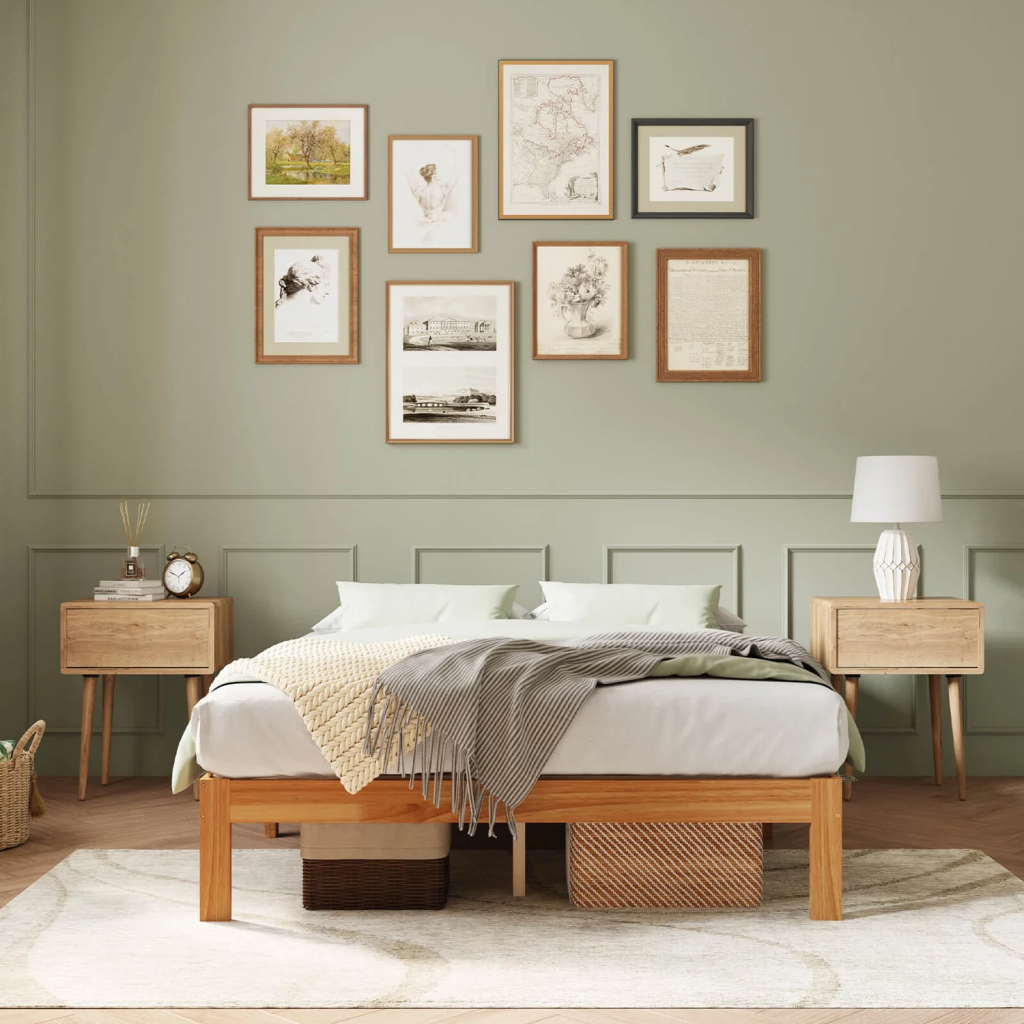
A full size memory foam mattress measures approximately 54 by 75 inches. This size can work well for a single adult or a smaller bedroom where preserving floor space is important. Memory foam is known for contouring to the body, although the feel and support vary according to the foam construction, mattress thickness, and individual preferences.
The mattress and frame should be selected together. Check the required mattress dimensions, the support system, and the total height once bedding is added. A thick mattress can change how much of a headboard remains visible, while a low bed may make the surrounding furniture feel taller. Thinking about these relationships early helps create a more balanced composition.
Keep the Layout Open Enough to Feel Comfortable
Even a beautifully furnished bedroom can feel awkward if there is not enough space to move around. The bed should allow comfortable access to the door, wardrobe, and other frequently used areas. Where possible, leave useful clearance on accessible sides and avoid positioning bedside tables where they block drawers or narrow the main walking route.
Furniture with a clear purpose helps prevent unnecessary clutter. A compact nightstand may provide enough room for a lamp, book, and phone without occupying valuable floor space. Under-bed storage can accommodate selected belongings, while wall shelves may offer an alternative to additional cabinets. The aim is not to remove everything from the room but to make sure each piece contributes to its function.
Negative space—the open area between furniture and walls—is also part of the design. Leaving some corners free and avoiding oversized accessories allows the bed, wood finishes, and lighting to stand out. A room often feels more considered when it contains fewer pieces arranged well than when every available surface is filled.
Coordinate Textures Without Making Everything Match
Natural wood provides a useful foundation for layering different textures. Cotton bedding, linen curtains, woven rugs, and upholstered seating can soften the harder surfaces of a wooden bed frame. These materials create variation while maintaining a cohesive look, particularly when their colors share a similar undertone.
Color can help connect the different elements. Cream, warm white, muted green, and soft beige often complement natural wood, while charcoal or deep blue can create contrast. The right combination depends on the room’s daylight, floor color, and the finish of the furniture. Testing fabric samples near the bed can help reveal how they look under both daylight and artificial lighting.
Texture should remain balanced. If the headboard has a pronounced grain, heavily patterned bedding and elaborate wall decoration may compete for attention. Simpler fabrics can allow the wood to become more noticeable. Conversely, a plain frame can support more expressive bedding or artwork. This flexibility makes it possible to give the room personality without losing a clear design direction.
Make the Bedroom Feel Finished, Not Overdecorated
The final details should reinforce the atmosphere already established by the furniture and lighting. A plant, a small piece of artwork, or a favorite book can make the room feel personal, but each addition should have enough space to be appreciated. Matching accessories are not essential; a consistent relationship between colors, materials, and proportions is more important.
It is also useful to review the room at different times of day. Daylight reveals the natural variations in wood, while evening lighting changes the appearance of colors and textures. A bedroom that looks attractive in bright daylight should still feel comfortable when the main lights are switched off and bedside lamps are used.
A well-designed bedroom ultimately reflects the routines of the people who use it. When the bed provides suitable support, the lighting serves real activities, and the furniture leaves enough room for movement, the space becomes easier to enjoy. Natural wood and thoughtful lighting then add character to a room that already works well.
Bringing the Design Together
A wooden bed, carefully positioned lighting, and a practical layout can transform the feeling of a bedroom without requiring a complete redesign. Each choice should respond to the others: the frame sets the visual foundation, the mattress determines the sleeping dimensions, and the lighting brings out the room’s textures while supporting everyday routines.
Begin with accurate measurements and select the bed according to the room’s needs. Then coordinate the headboard wall, bedside lighting, textiles, and storage around that central piece. When these elements work together, the bedroom feels intentional rather than crowded or overly decorated—a comfortable space shaped by thoughtful decisions rather than excess.