


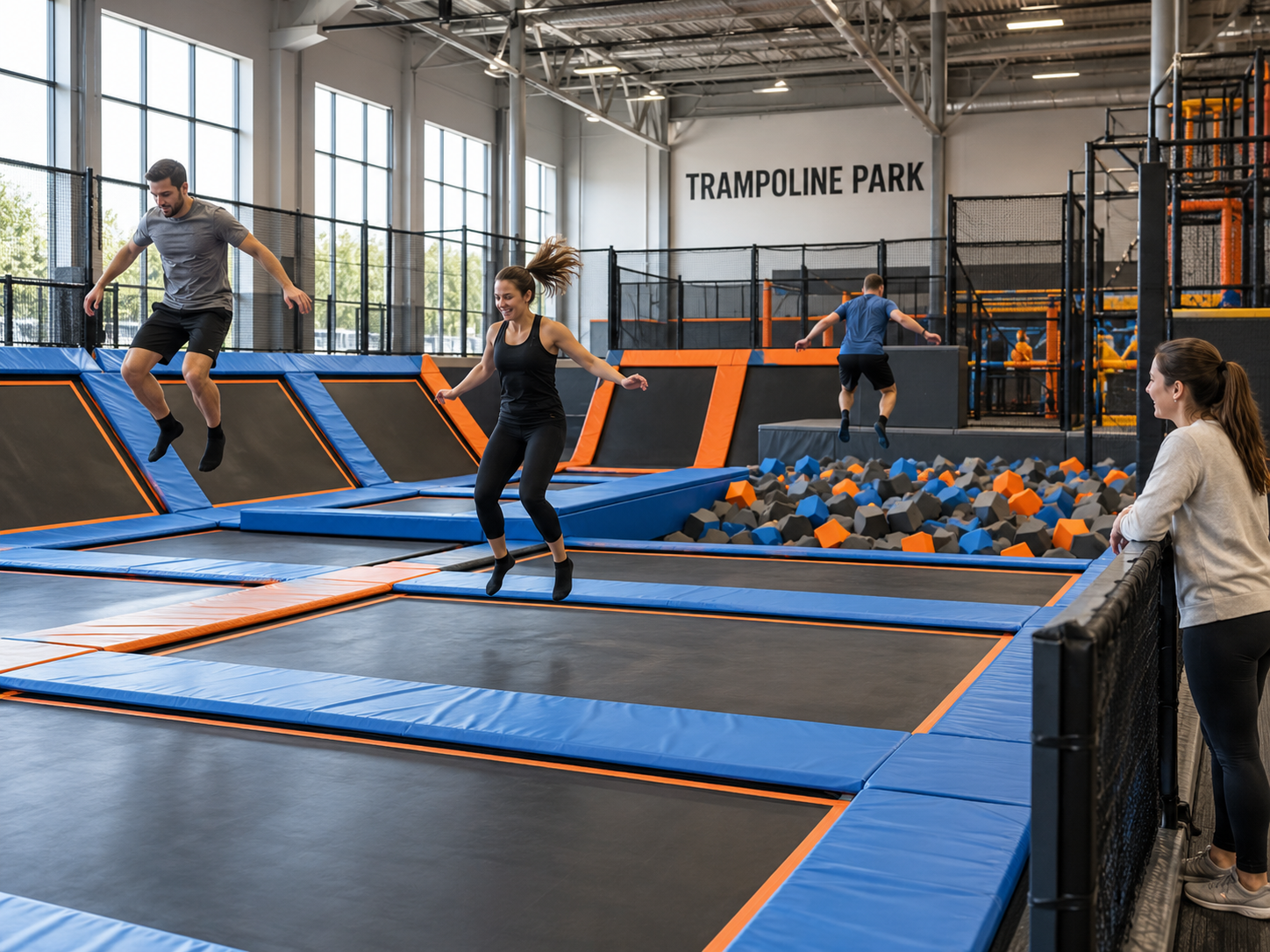
Indoor trampoline parks are a fun way for families to celebrate birthday parties or enjoy a weekend together. However, these parks come with significant risks. Here, we’ll discuss common trampoline park injuries, what happens if you’ve signed a waiver and how liability is determined.
Common Trampoline Park Injuries
Injuries can happen on any trampoline, including the one you may have in your own backyard. However, indoor trampoline parks can be riskier due to their structural differences. Additionally, younger kids may face an increased risk of injury due to aggressive play from older kids.
Some of the most common trampoline park injuries include:
- Sprains – Twisting or stretching a muscle or joint can lead to pain and swelling. Ankle sprains are particularly common.
- Fractures – High-impact landings at a faster speed may lead to broken bones.
- Knee injuries – Hard landings, sudden twists and collisions can damage the ligaments in your knees or cartilage.
- Head injuries – Concussions and brain injuries may occur if a jumper hits their head on the trampoline surface, a padded frame or another person.
- Cuts and bruises – Falls, collisions and contact with trampoline equipment may result in minor injuries like cuts or bruises.
- Dislocations – A fall or a hard landing can force a shoulder or elbow joint out of its natural position.
- Neck or spinal injuries – Flips and failed stunts may cause serious spine or neck injuries.
Trampoline injuries are not only quite painful, but they often require expensive medical treatment and physical therapy to heal properly. Healing also takes a long time, especially for serious injuries. This can significantly interfere with school or work.
Are You Able To Sue a Trampoline Park if You’ve Signed a Waiver?
Most parents give up on trying to seek compensation because they assume that since they signed a waiver, they aren’t able to sue. However, you may still be able to sue and hold the responsible parties accountable. The following scenarios may all warrant a claim against a liable third party:
- A trampoline park owner fails to ensure that the mounting equipment is properly installed. This causes the trampoline to collapse and hurt visitors.
- The park employees don’t enforce center rules forbidding older children from doing stunts like backward flips or playing in the toddler area. As a result, a young child is seriously injured.
- Employees knowingly fill the space beyond capacity in fear of turning away angry guests.
- The trampoline manufacturer fails to perform safety checks. As a result, they sell faulty equipment.
- A teenager or adult knowingly violates the center’s rules. As a result, a child gets hurt.
Trampoline parks vary greatly in how they are maintained and run. The same goes for employees too. While some parks require extensive training for employees, others do not. When serious injuries occur at a trampoline park, the consequences can last far beyond the day of the accident.
Who May Be Liable in a Trampoline Park Injury?
When someone gets hurt at a trampoline park, people often assume that the company that owns the park is responsible. While this is often the case, other parties may also share liability. This includes:
- The trampoline park company – Usually, the business running the park is the primary party responsible since it must ensure that the park is safe and properly staffed and maintained.
- Equipment manufacturers – If defective equipment (like trampolines or padding) contributed to the injury, the product manufacturers may be held accountable.
- Maintenance contractors – It’s common practice for trampoline park companies to hire contractors to handle routine maintenance and repairs. If that contractor didn’t properly fix or inspect faulty equipment, they may be the responsible party.
- Individual employees – Trampoline park employees are responsible for enforcing safety rules, properly supervising guests and maintaining order. If they fail to do so and someone gets hurt, they may be held liable.
Sometimes trampoline parks rent the spaces they’re located in. In these cases, the property owner may be partially responsible if hazards on the property outside of the operator’s control contributed to the resulting injury.
How Is Liability Determined?
Figuring out who is responsible for a trampoline park injury requires taking a closer look at how the accident happened. This process may require reviewing important evidence, such as:
- Surveillance footage of the incident
- Pictures of the trampoline, equipment and the surrounding area
- Witness statements
- Employee records and incident reports
- Maintenance and inspection logs
- Safety policies and staff training records
- Medical records documenting the injuries and treatment
By carefully reviewing all available evidence, you’ll have a better idea of how the incident happened, if there was a safety failure and if that failure caused the injury.
How Is Compensation Determined?
Recovering from a trampoline park injury can be difficult. This is especially true when you’re also facing medical expenses and must take time away from work or school to heal. If a premises liability lawyer establishes liability, compensation may be awarded. The amount may cover things like medical expenses, future medical care, pain, suffering and lost wages. The total compensation you receive depends on the injury, the impact it’s had on your life, the available evidence and applicable state laws.
Signing a waiver at a trampoline park does not automatically end the possibility of filing a claim and being awarded compensation. The bottom line is that liability depends on the facts, the evidence and the laws that apply. If you or your child have been hurt at a trampoline park, consider speaking with an experienced premises liability lawyer like those at Thomas Law Offices. They can review your case, answer any questions you may have and help you understand the next best steps forward.