


It is ten at night in a black-box studio off Lankershim. Two actors run the love scene for the fourth time, and the confession still falls flat. She says too much, he agrees too fast, and nobody in the room believes they want each other. Every North Hollywood playwright knows that moment. The fix usually lives in the dialogue: what the lovers hide, dodge and risk. These seven AI story writers can help you hear that scene fresh before your next rehearsal.
1. DreamGen: Best for Multi-Character Romantic Scenes
DreamGen treats a love scene as an ensemble piece. Two leads, a rival and a narrator can share one scene, each with a separate voice. In Story Writing Mode, inline instructions steer the plot mid-scene, so you can delay a confession without starting over. The story workspace is described at https://dreamgen.com/story-writing/
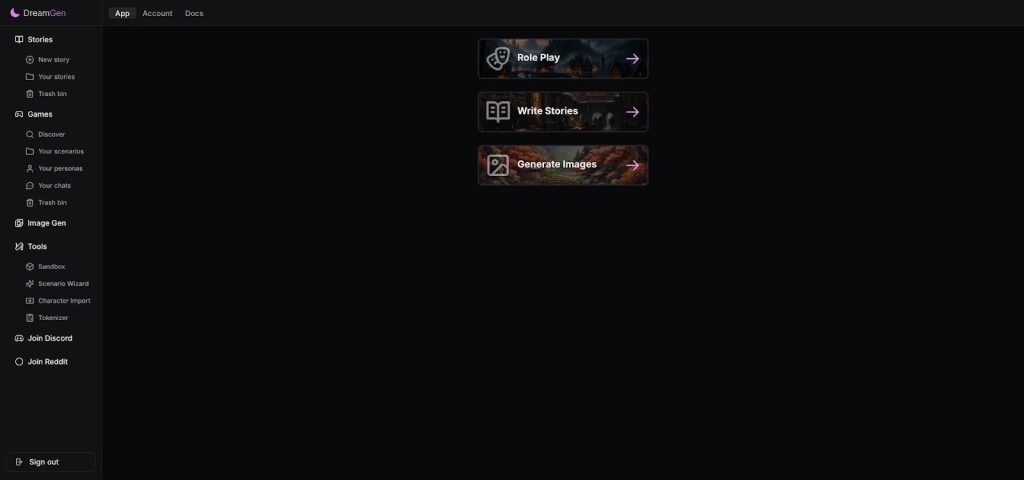
The Scenario Codex stores each character’s history, voice and sample exchanges, so an early joke can return as heartbreak later. The limitation: there is no dedicated mobile app, only a mobile-optimized website.
2. Sudowrite: Best for Scene-Level Rewrites
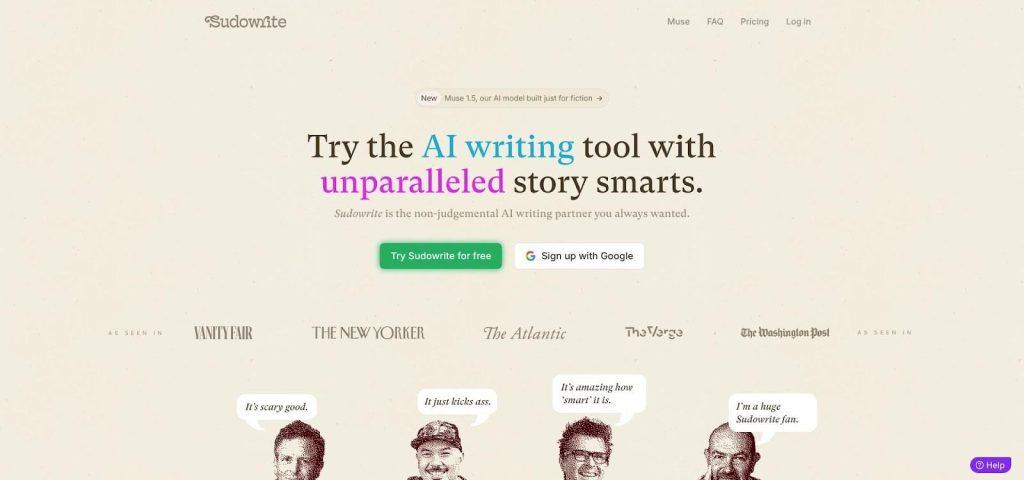
Sudowrite works like a script doctor on call. Its Story Bible holds each character’s quirks and history, and tools such as Rewrite and Describe revise a flat exchange or add the sensory detail a rushed kiss skipped. Its Muse model is built for fiction, and every suggestion arrives as editable text, so the final voice stays yours. That makes it useful for a second pass once the beats work. The limitation: plans run on credits, and long rewrite sessions use them quickly.
3. Novelcrafter: Best for Series Continuity
Novelcrafter suits a slow burn that stretches across several books. Its Codex stores characters, locations and lore, and it brings the right entries into each scene, so a nickname from book one still appears in book three. You connect your own AI model, for example through OpenRouter, and you can change models from scene to scene. That matters when a dual-POV romance jumps between two timelines. The limitation: setup takes time, and you pay the model provider separately from the Novelcrafter plan.
4. NovelAI: Best for Fine-Grained Voice Control
NovelAI gives you a control board for cadence. The Lorebook keeps nicknames, speech habits and backstory in view, Memory and the Author’s Note set the tone for the whole story, and Phrase Bias pushes the model toward, or away from, the words a character would use. Retry lets you spin alternative comebacks at a tense moment. This helps when two leads start to sound alike. The limitation: it has no built-in outline or beat tools, so the shape of the romance arc is your job.
5. Squibler: Best for Moving Between Prose and Screenplay
Squibler writes novels and screenplays in one workspace. Its screenplay generator formats scenes, dialogue and action to standard conventions, so you can hear a romance as a script before you finalize the prose. AI Smart Writer then suggests line edits to sharpen the banter, and Elements cards keep characters and settings linked to the story. For craft notes before you draft, read this column on writing dialogue that feels real. The limitation: auto-generated drafts can read generic and need a human pass.
6. Chapter: Best for Structured Full-Manuscript Drafts
Chapter is built for writers who want a complete draft fast. You approve a plan shaped by your genre and tropes, and Chapter writes the whole novel. DoubleCheck then reads the draft back to catch characters and timelines that drift, and the Story Partner assistant helps with changes as you revise. This leaves your energy for chemistry, and it suits plotters who trust their own editing ear. The limitation: dialogue from a full-draft tool can arrive generic, so plan a careful line edit.
7. Story.com: Best for Visual Storyboards
Story.com starts from pictures. It turns a scene into a storyboard, with each exchange in its own panel next to an image, so crowded exposition and rushed turns are easy to see. Directors and actors who think in shots can use it to plan how a romantic scene will look before they lock the dialogue. The visual layout also makes a scene easy to pitch to collaborators. The limitation: it is built for short scenes, not full-length novels, and tone can vary between drafts.
Which AI Story Writer Fits Your Next Romance?
Match the tool to how you work. Improvisers will like DreamGen’s live steering. Line editors will like Sudowrite and NovelAI. Series planners need Novelcrafter, and Chapter suits writers who want a full draft. Squibler and Story.com help when the scene is headed for a stage or screen. Test one short scene in two tools, read both versions aloud, and keep the one your actors believe.