


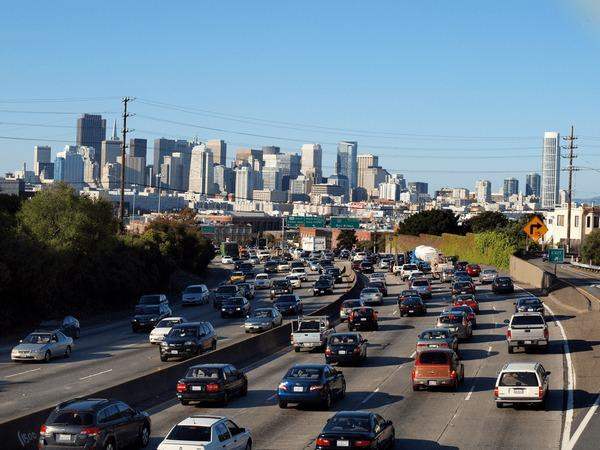
California has an extensive network of roads and highways used by millions of drivers every day. Some routes can be more dangerous because of heavy traffic, high speeds, sharp curves, or changing road conditions.
From busy urban freeways to winding mountain roads, California offers many different driving environments. Traffic congestion can increase the chance of sudden braking and lane changes, while rural roads may present limited visibility and challenging curves.
Understanding the most dangerous road in California is not enough to stay safe because several routes present different risks. Drivers should understand the hazards associated with major roads before traveling on them.
1. Interstate 5
Interstate 5 is one of California’s major north-south routes, connecting many communities throughout the state. Heavy traffic, large commercial vehicles, and high speeds can create challenging driving conditions.
Drivers should maintain a safe following distance and remain aware of vehicles around them. Sudden lane changes can be especially dangerous when traffic is moving quickly. Staying focused can help drivers respond when conditions change.
Long-distance travel on Interstate 5 can also expose drivers to fatigue and changing traffic patterns. Drivers traveling through unfamiliar areas should watch for construction zones, merging traffic, and sudden changes in road conditions.
2. U.S. Route 101
U.S. Route 101 passes through several major California communities and experiences significant traffic. Drivers may encounter congestion, frequent merging, and varying speed limits along different sections. These conditions can require constant attention.
Motorists should watch for vehicles entering or leaving the roadway and avoid unnecessary lane changes. Keeping a consistent speed and allowing enough space between vehicles can provide more reaction time. Drivers should also remain cautious when traffic begins to slow.
Traffic conditions can vary considerably along different parts of U.S. Route 101. Drivers should remain prepared for slower traffic near populated areas and allow extra time when approaching busy entrances, exits, and intersections.
3. State Route 99
State Route 99 runs through California’s Central Valley and serves as an important transportation corridor. Heavy traffic and high-speed travel can create risks for motorists, particularly around busy interchanges.
Drivers should remain alert when traveling near trucks and other large vehicles. Avoiding blind spots and leaving adequate following distance can improve visibility and reaction time. Staying patient can also help prevent risky passing or lane changes.
Commercial vehicles are common along this major Central Valley route, which can affect visibility and available stopping space. Drivers should avoid sudden maneuvers when passing trucks and remain aware of vehicles approaching from adjacent lanes.
4. Pacific Coast Highway
Pacific Coast Highway is known for its scenic coastal views, but some sections feature winding roads and steep terrain. Curves and changing visibility can make it difficult for drivers to anticipate hazards. Weather and road conditions may also affect safe travel.
Drivers should reduce speed when approaching curves and pay attention to posted warnings. Looking farther ahead can help identify upcoming changes in the roadway. Extra caution is important when visibility or pavement conditions are poor.
5. Angeles Crest Highway
Angeles Crest Highway travels through mountainous areas and includes winding sections with elevation changes. Sharp curves, narrow stretches, and changing weather can make driving more demanding. Drivers unfamiliar with the route may need additional time to adjust.
Motorists should follow posted speed limits and avoid driving beyond their comfort level. Keeping attention on the road is particularly important around curves and areas with limited visibility.
Drivers should also be prepared for changing conditions as they travel through the mountains.
Key Takeaways
- California has many roads with different driving hazards.
- Heavy traffic can increase collision risks on major highways.
- Mountain roads require extra caution around curves.
- Drivers should adjust their speed to road conditions.
- Staying focused can help prevent avoidable crashes.