


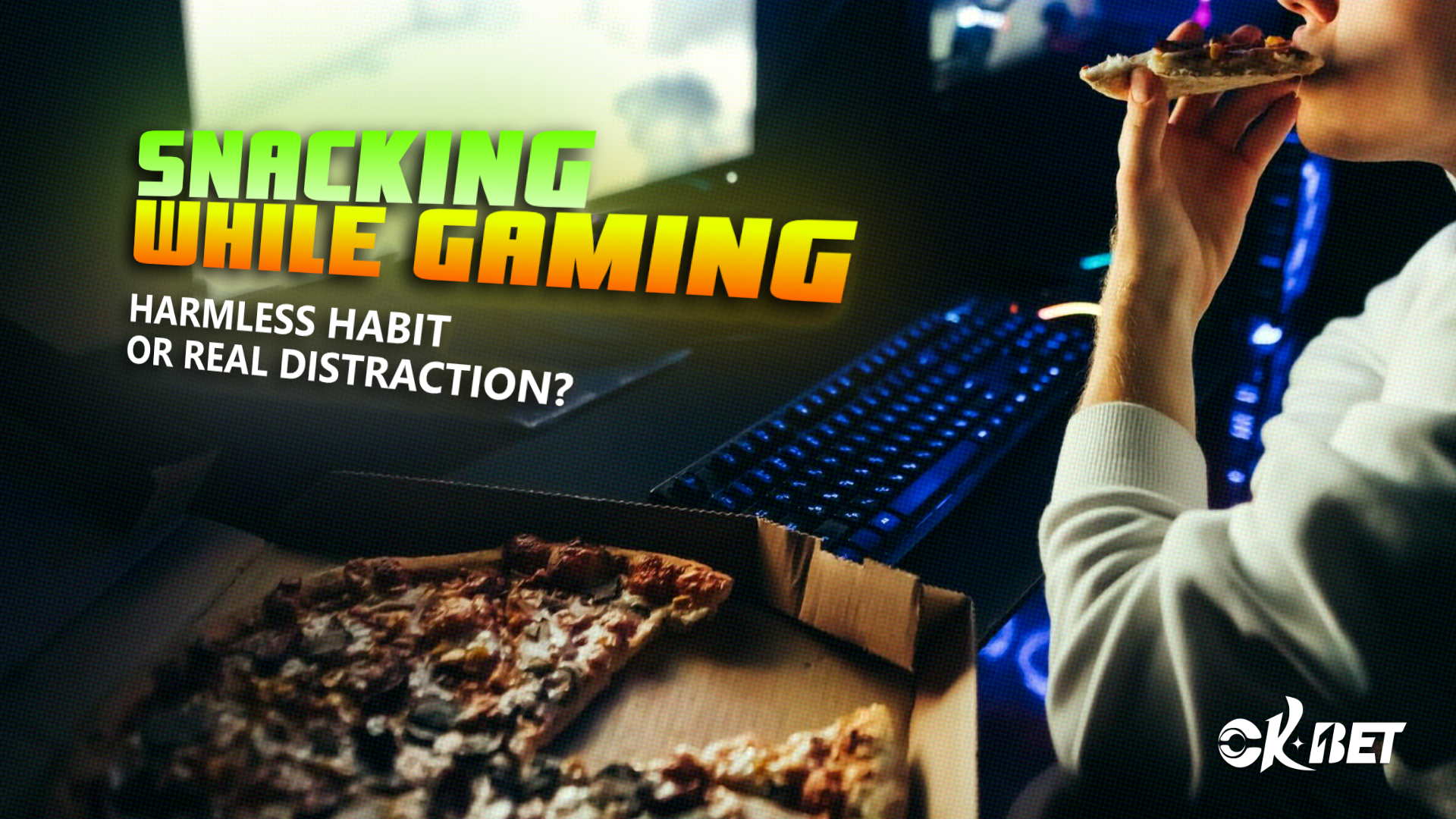
If you have a controller in your hand, or if you’re using a laptop or holding a phone, there’s a good chance that there’s a snack somewhere nearby. Gummy candy spread all over the couch, a Coke on the desk, and chips within easy reach. Most people never pause to consider if it truly improves or detracts from the gaming experience because it’s such a common feature. Snacking has subtly become a habit for millions of players as mobile gaming trends continue to draw consumers into longer sessions while on the road. So what is it, is it harmless or is it harming the brain in a way that no one knows about?
Why Gaming and Snacking Go Hand in Hand
When there are quiet times, the hands have something to do, and when there are gaming times, there is often a lot of sitting around. It also appeals to comfort. Snacking, a calming activity, pairs well with gaming, which is often used for relaxation. Furthermore, this is not a thing that is unique to gaming. People snack when they are socializing with friends, watching movies or online surfing. Simply said, longer, more engrossing gaming sessions allow munching to develop into a habit.
Mind Activity During Gaming and Snacking
It’s Not Free to Divide Attention
A simple pick up and chip shuffle takes away a small percentage of concentration from the game. Each of the additional actions take up some portion of the brain’s attention and are fighting for it. In casual games, most players are unaware of this phenomenon, but in anything that calls for quick reactions, it becomes more noticeable.
Timing Matters More Than Most People Think
Snacking during calm, low-pressure times has little impact on performance. A fast-paced action movie is a different story, however, when it comes to the snacking. Food at the wrong time can be the difference in sports that require quick decisions.
Snacking Frequently Can Become Automatic
Gaming-related snacking can eventually become a habit brought on more by the activity than by genuine hunger. This phenomenon explains why some players observe that even when they aren’t extremely hungry, they continue to eat during a session. It’s the actual game setting that acts as a catalyst.
When Snacking Is Good, Long Sessions Need Energy
Having some food close by can assist in sustaining energy and concentration throughout prolonged gaming sessions, particularly those that last several hours. It’s always a bad idea to skip a meal in order to keep playing, since a bit of a snack is far more likely to affect attention than a complete absence of food.
It May Produce Organic Pauses
Grabbing a snack happens as a way to break from the screen, stretch or refocus – sometimes just a subconscious gesture. These mini breaks can help prevent mental fatigue that can occur after prolonged periods of continuous work, even if they are unintentional.
It Becomes Even More Natural with Social Gaming
Snacking frequently becomes a part of the shared experience when gaming with friends, whether in person or over voice chat. It gives sessions that are more about hanging out than fierce competition a laid-back vibe.
When Snacking Becomes a Distraction
Innovative and Quick-Switched Video Games
Snacking at the incorrect time can seriously impair performance in games where response time is crucial. A missed shot, a poorly timed dodge, or a lost round could result from missing a beat while reaching for food.
Electronics for Gaming and Unhealthy Foods
There’s also a practical part to it; the concentration. Over time, greasy or crumbly foods will impact touchscreens, keyboards, and controllers. Many gamers have had to learn this lesson the hard way due to a stuck button or a sticky controller.
Snacking Not Out of Hunger but Out of Boredom
Snacking while playing games can sometimes be just as much a habit as it is a game. When individuals eat just because it is a routine and no longer because of hunger, the line becomes fuzzy between what can be considered harmless eating and distracting behavior.
How the Type of Game Modifies the Effect
Slow-moving, Narrative-focused Games
These games don’t really have any drawbacks and offer lots of space for munching. Playing while eating does not have to be a chore as the split-second timing is not required.
Competitive and Quick-Response Video Games
Gamestasks requiring precise timing are much more prone to interruptions. It might be difficult to recover from timing disruptions caused by even a short break to eat during a game.
Extended-Duration Open World Games
The games often involve lulls in nature like transitions between settings or routine but easy chores. These are typically when to have a snack without spoiling the rest of the day.
Achieving a Stable Balance
Snacks to Enjoy During Natural Breaks
Eat during slower moments like loading screens, cutscenes, or during any break in the action to avoid having to eat while in the middle of an intense moment.
Select Non-Interfering Snacks
Simple, mess-free foods are simpler to handle and don’t interfere with touchscreens or controllers. When you’re on a longer session, this can help prevent unnecessary frustrations.
Observe the Reasons Behind Your Food Reaching
When observing the snacks, players can become more intentional about snacking during a session, as they know if these snacks are motivated by hunger or habit.
A Behaviour Requiring Focus
There’s nothing wrong with snacking and gaming on their own; they probably always go together. It’s the timing, the awareness and the game type that really count. Snacking provides comfort at a cheap cost for slower, more leisurely experiences. It can be a subtle distraction when the ball is put under pressure in a competitive time frame. Like other gaming-related behaviors, the objective is to recognize when it’s beneficial and when it’s just getting in the way rather than completely eradicating it.