


Vaping has been through its share of ups and downs over the years, and one product of the frequent upheaval is that the top brands rarely stay on top for long. Some of them even disappear entirely, which was Vapor Shark’s fate as the 2010s came to a close. Once a much-loved maker of boutique personal vaporizers for people with picky tastes, Vapor Shark was eventually forced to shut down when changing regulations made its business model unsustainable.
Occasionally, though, it can be healthy for an evolving industry to look back on its roots. That’s exactly what happened in 2026 when VaporShark.com returned as a modern web store under new ownership.
The new Vapor Shark has a different product selection, and owner Jacob Cohen believes that’s the best way of fulfilling the site’s original mission.
Here’s what happened and why it matters.
What Was Vapor Shark Originally?
The original Vapor Shark was a brand that today’s vapers would hardly recognize unless they were there at the time.
In the early 2010s, there were already thousands of people across the United States who had switched from smoking to vaping using the cigarette-shaped “cigalike” vaping devices that were common in convenience stores and gas stations at the time.
After they completed the transition to vaping, though, many of those people wanted a more premium vaping experience. They wanted devices that were capable of delivering bigger clouds, better flavors and a higher level of reliability.
Vapor Shark served that emerging market with high-end vape mods designed around the DNA chipset. Devices like the Vapor Shark DNA 200 and rDNA 40W offered extremely flexible experiences that people could customize with their computers, and customers were extremely satisfied with the products.
Cohen was one of them. “A Vapor Shark DNA 200 was my daily driver for a long time,” says Cohen, “and it played a big role in helping me make the switch.”
As it turned out, the DNA 200 would also play a role in the future of the Vapor Shark brand itself – but the industry would go through some enormous changes first.
Why Did Vapor Shark Close?
Vapor Shark closed because regulatory changes made it impossible for the business to continue. FDA regulation of the vaping industry in 2016 signaled the beginning of the end for the company. According to the FDA’s deeming rule, vaping products were tobacco products and were therefore subject to the rules set forth in the Family Smoking Prevention and Tobacco Control Act of 2009.
One of the key aspects of the Tobacco Control Act was that no new tobacco product could be released after 2007 without first receiving a marketing order from the FDA. To gain regulatory approval, new products would need to go through the Premarket Tobacco Product Application (PMTA) process, which would cost anywhere from hundreds of thousands to several million dollars per product.
For small businesses like Vapor Shark, the PMTA process simply wasn’t financially viable. Vapor Shark sold the last of its devices and closed.
What Is the New Vapor Shark?
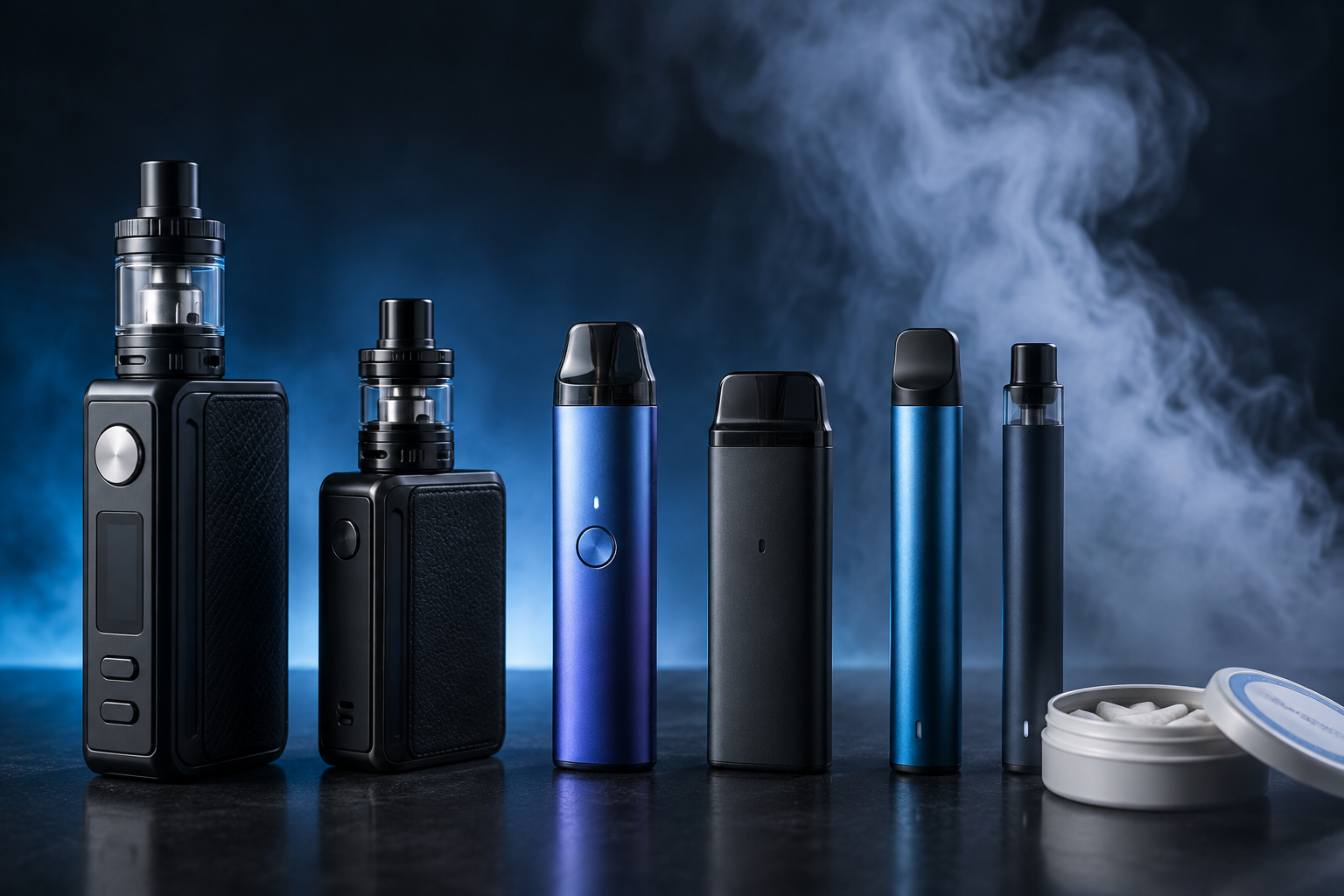
Today’s vaping industry is a heavily regulated one – and although the brands have changed, the selection is larger than ever. Vapor Shark still carries high-end vape mods as a nod to its heritage, but the overall product range is what a modern adult nicotine user would expect to see. The store stocks modern favorites such as disposable vapes, portable pod systems and even nicotine pouches.
Cohen – who relaunched Vapor Shark under the new corporation V-Shark, Inc. – says that modernizing the site’s product selection was crucial.
“Selling high-end vape mods was just one way for Vapor Shark to achieve its mission,” Cohen says, “which was to make the switch from smoking to vaping as frictionless and satisfying as possible. The path may be different today, but the ultimate goal is the same.”
Why Does It Matter?
For Cohen, the biggest reason why Vapor Shark still matters is because it represents an important touchstone in his personal journey from smoking to vaping. “I wasn’t the only satisfied customer who was sad when Vapor Shark closed its doors,” Cohen says. “It’s a brand that still has significant value for the longtime vapers who remember it.”
Cohen also fondly remembers the way that small vape shops like Vapor Shark once acted as mentors, guiding new vapers through the transition away from smoking and answering the questions that might arise along the way. “As the vaping industry has consolidated and become more corporate, customer service has suffered across the board. I think there’s room for a vape shop that cares enough to put you in touch with an actual human when you need help.”