


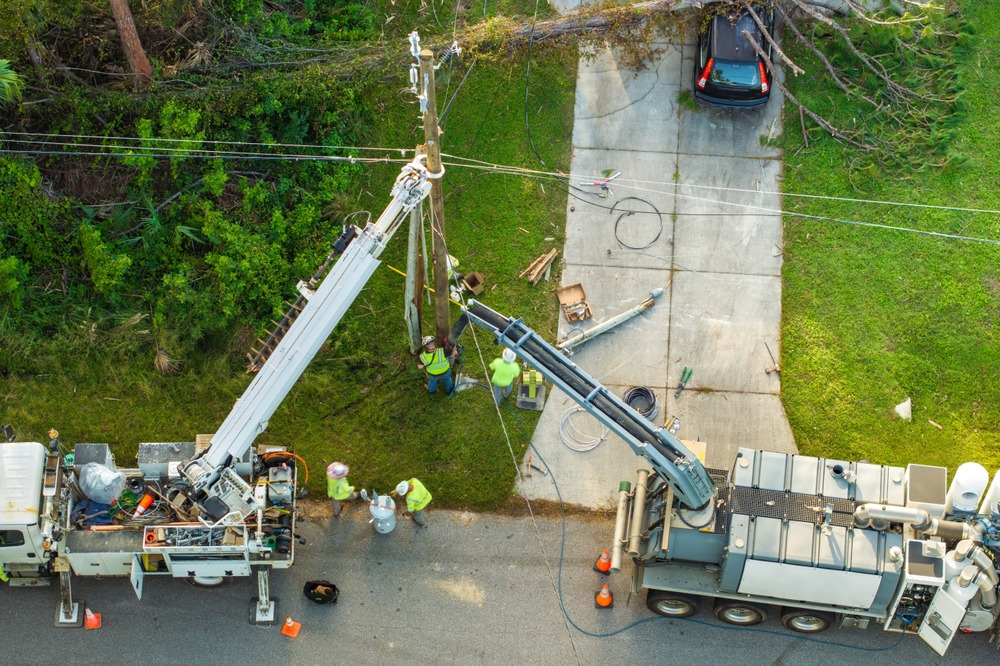
A generator can become the backbone of a home or business after a hurricane, but long hours of use can push it beyond normal limits. Heat builds, fuel quality drops, parts wear down, and electrical systems face added pressure. If the unit fails, the damage may be linked to the storm, the outage, old wear, or several causes at once.
People seeking hurricane insurance claims help may need records showing what happened before and after the failure. The main question is not only why the generator stopped, but what evidence can explain the cause and damage that followed most clearly.
Why Generator Damage Can Be Hard to Explain
A generator may stop during an outage, yet the true cause may not be obvious. Some problems begin before the storm and become worse under heavy use. Others come from water, debris, heat, or sudden power changes.
Damage may also appear in several parts of the system. The failure time may not reveal the cause.
Common Causes of Generator Damage During a Long Outage
Overheating From Extended Use
Generators can run for long periods, but they still need cooling, fuel, and proper service. Continuous use can raise engine temperature and place pressure on belts, filters, oil, and internal parts. If heat cannot escape, the unit may shut down or suffer lasting damage.
Water and Storm Debris
Rain, floodwater, branches, roof pieces, and flying objects can damage a generator. Water may enter vents or electrical parts, while debris may block airflow. Moisture can affect wiring and controls.
Fuel Problems
Old or dirty fuel can reduce performance and damage the engine. Water may enter fuel tanks, lines may become blocked, or the supply may run out. Poor fuel quality can make the generator struggle, stall, or fail to restart.
Electrical Surges
Sudden power changes can affect the generator, transfer switch, wiring, and nearby equipment. A surge may happen when utility power returns or when several devices draw power at once. Parts and controls may burn or fail.
Was the Damage Caused by the Hurricane or Normal Wear?
This question may become central during a claim review. A damaged generator may show signs that look like storm damage, age, or poor maintenance. Its age, service history, operating hours, and condition beforehand matter.
A unit with repairs and regular care may tell a different story from one with old parts and missing records. Still, normal wear does not always rule out storm damage. Several causes may work together.
Evidence That May Help Show What Happened
Useful records can help connect the failure to the outage or storm conditions. Helpful evidence may include:
- Photos taken before and after the storm
- Maintenance and repair records
- Purchase and warranty papers
- Notes showing operating hours
- Technician inspection findings
- Weather and outage records
- Photos of water, debris, or damaged wiring
A technician report may describe burned parts, while photos may show nearby floodwater. Together, these details can create a clearer picture.
What If the Generator Damaged Other Property
A failed generator may cause more than one loss. Appliances, wiring, air conditioning systems, refrigerated food, business equipment, or security systems may also be affected. Separate records may show whether they came from the generator, outage, or storm.
Receipts, repair reports, and photos may help show which items were damaged and when the problem started. Their connection may require professional review.
Can Temporary Repairs Affect the Claim?
Temporary repairs may restore basic power, but they can also change the original condition of the generator. Damaged parts may be replaced, wires may be moved, or broken pieces may be discarded.
Repair invoices, technician notes, and photos can preserve what was found. Electrical or mechanical work should be handled by qualified professionals because rushed repairs can create more damage and make the cause harder to study.
What Happens If the Insurer and Technician Disagree
An insurer may view the damage as wear, poor service, or mechanical failure. A technician may connect it to heat, water, debris, or a power surge. The disagreement may come from different inspections, missing records, or uncertainty about when the damage began.
A full review of the policy, service history, photos, and inspection findings may be needed. The evidence needs a close review.
Closing Thoughts
Generator damage during a long hurricane outage may come from heat, water, debris, fuel problems, electrical changes, or older mechanical issues. The failure does not always show which cause mattered most. Photos, service records, technician findings, and outage information can help explain the full chain of events.
People looking for hurricane insurance claims help may need a qualified professional to review the policy and supporting records. Each situation is different, so the answer depends on the generator’s condition, the storm damage, and the available evidence.