


Many of America’s historic neighborhoods, factories, and creative spaces were built by workers who faced demanding jobs with limited safety protections. While industrial growth helped shape communities and drive economic progress, many employees were exposed to workplace hazards that were not fully understood at the time.
Today, these experiences offer important lessons about the value of protecting workers and creating safer environments. This article explores how America’s industrial past reveals the importance of workplace safety, from recognizing past risks to improving protections for future generations.
The Industrial Boom That Built Modern America
America’s industrial boom changed the way people lived and worked. Industries like construction, manufacturing, shipbuilding, mining, and transportation helped cities grow and created the foundation for modern communities. Workers built factories, roads, railways, and buildings that later became important parts of commercial areas and cultural neighborhoods.
These workers played a major role in shaping the country’s progress. Their skills and dedication helped create the places people still visit and use today. Many historic districts, theaters, and restored buildings exist because of the labor and craftsmanship of past generations.
However, industrial growth often happened faster than safety improvements. Many workplaces focused on increasing production before strong safety rules, protective equipment, and proper training became common. As communities preserve these historic places, it is important to remember both the achievements of these workers and the challenges they faced while helping build America.
The Workplace Hazards Workers Faced in Earlier Generations
Many hazards were part of everyday work environments, and workers often had limited knowledge about the possible long-term effects. Some common workplace risks included:
- Exposure to harmful materials: Workers often handled chemicals, dust, and other substances without knowing the health risks associated with long-term exposure.
- Unsafe machinery: Many workplaces used heavy equipment with limited safety features, increasing the chance of serious injuries.
- Poor ventilation: Factories and industrial spaces sometimes lacked proper airflow, allowing harmful particles or fumes to build up.
- Limited protective equipment: Employees often worked without modern safety gear such as masks, protective clothing, or proper equipment.
- Lack of safety training: Many workers did not receive detailed instruction on identifying hazards or preventing workplace accidents.
Many of these dangers were not immediately recognized because scientific knowledge and workplace regulations were still developing. As industries grew, understanding of workplace safety slowly improved through research, experience, and changes in safety standards.
The effects of these conditions were sometimes felt years after workers left their jobs. Some individuals and families faced health challenges connected to past workplace exposures, showing why protecting workers today requires learning from the experiences of previous generations.
How Asbestos Became a Major Workplace Safety Concern
Asbestos was widely used during America’s industrial growth because it was strong, heat-resistant, and effective for insulation. For many years, industries used asbestos in building materials, machinery, and protective products without fully understanding the health risks linked to exposure. Workers in several industries were commonly exposed to asbestos, including:
- Construction: Used in insulation, cement, roofing materials, and other building products.
- Shipbuilding: Used for fire protection and insulation in ships
- Manufacturing: Included in various industrial products and equipment components.
- Industrial maintenance: Workers repairing older buildings and machinery could disturb asbestos-containing materials.
As scientific research developed, experts identified the connection between asbestos exposure and serious health conditions. This increased awareness led to stronger workplace safety standards, better protective equipment, and improved handling procedures.
Workers or families affected by past asbestos exposure may explore available support options, including learning about asbestos claim payouts, depending on their circumstances. Understanding this history highlights why identifying workplace hazards and maintaining safety standards remain essential.
The Evolution of Workplace Safety Standards
Lessons from past workplace conditions helped create stronger safety standards across many industries. As workers, researchers, and organizations gained a better understanding of workplace hazards, new practices were introduced to reduce risks and protect employees. Modern workplaces now rely on several important safety improvements, including:
- Better protective equipment: Workers have access to safety gear designed to reduce exposure to harmful materials and prevent injuries.
- Workplace inspections: Regular inspections help identify hazards and ensure safety rules are followed.
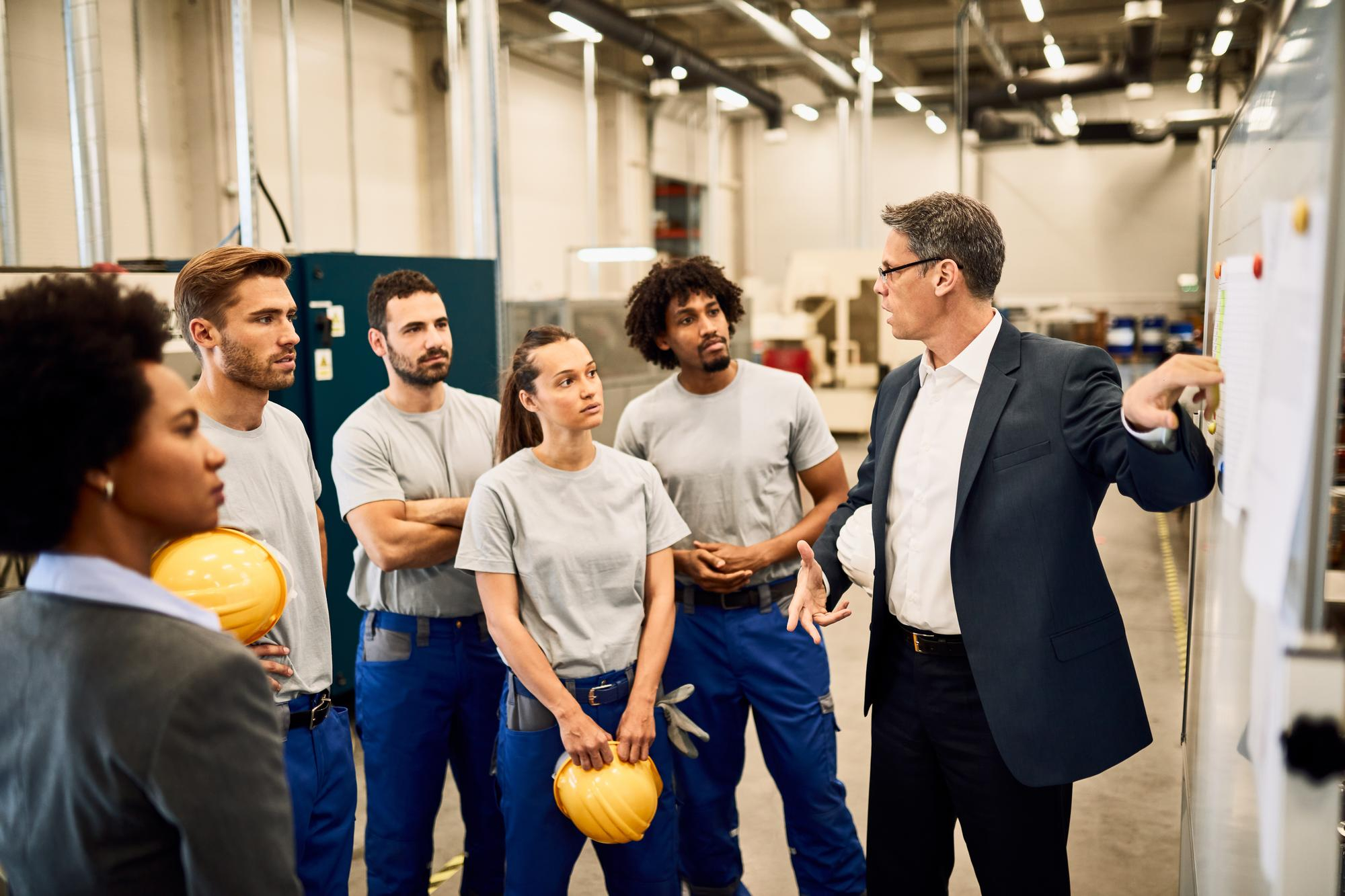
- Safety training programs: Employees receive guidance on how to recognize risks and use equipment properly.
- Hazard communication requirements: Workplaces provide information about dangerous materials and safe handling procedures.
- Employee awareness: Workers are encouraged to report unsafe conditions and take an active role in maintaining safety.
Why Protecting Workers Protects Entire Communities
Workplace safety affects more than individual employees. The impact of worker protection can be seen in several areas:
- Families: Safer workplaces help protect employees’ health and provide greater security for the people who depend on them.
- Local economies: Healthy workers support businesses and contribute to the growth of their communities.
- Businesses: Strong safety practices can improve productivity, reduce workplace risks, and build trust with employees.
- Future generations: Safer workplaces create better conditions for the next generation of workers.
Many historic districts and cultural communities were shaped by workers from industries such as construction, manufacturing, and transportation. The buildings, theaters, and public spaces preserved today often reflect their efforts. Remembering the experiences of these workers helps communities tell a more complete story.
Lessons Modern Industries Can Learn From the Past
The history of workplace safety shows that preventing hazards is more effective than responding to harm after it occurs. Modern industries can apply lessons from the past by identifying risks early, improving safety procedures, and protecting employees through consistent practices. Key safety measures include:
- Identifying risks early: Regular workplace assessments help find and address hazards before they affect employees.
- Providing employee training: Workers need clear guidance on safe procedures, equipment use, and hazard awareness.
- Encouraging safety reporting: Employees should be able to report unsafe conditions so issues can be resolved quickly.
- Updating safety practices: Businesses must adjust procedures as new research, technology, and workplace risks emerge.
Safety is an ongoing responsibility that requires regular evaluation and improvement. Although industries continue to evolve, protecting workers remains a fundamental priority for every workplace.
Endnote
Workplace safety will continue to change as industries grow and new challenges appear. Creating safer environments requires businesses to stay aware of potential risks, improve their practices, and support employees through clear safety measures. The lessons learned over time show the value of adapting to new information and making safety part of everyday workplace decisions.