


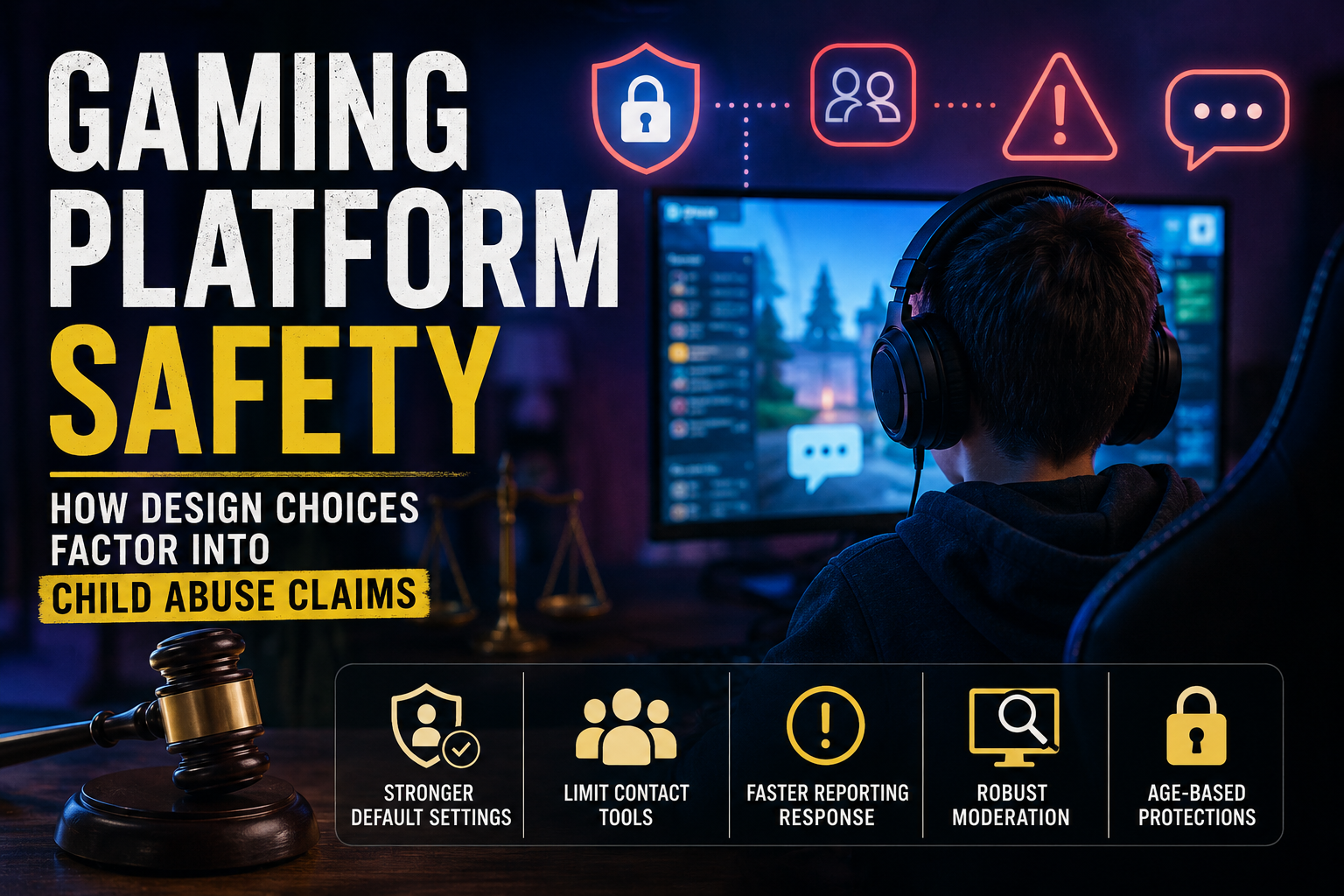
When a child is harmed by a predator they met online, the criminal case focuses on the individual who did it. A civil claim can reach further. It looks at the platform that connected them and asks whether the company’s design decisions made the harm possible. This is a separate question of responsibility, and it is the one driving much of the current litigation.
If your child was abused after being contacted on a gaming platform like Roblox, you may be able to hold the company accountable. These claims center on the company’s responsibility for the conditions that allowed the abuse, and they have been consolidated into a federal multidistrict litigation. An attorney handling the Roblox abuse lawsuit can assess the circumstances and tell you whether your family has a claim.
Wide Reach
A youth platform with a massive audience carries a larger exposure burden. Roblox had more than 111 million monthly users when Louisiana filed suit in August 2025. While such a vast user base can support friendship and play, it can also widen access for adults seeking unsupervised contact with minors, especially where screening tools, access limits, or parental controls are insufficient.
Contact Tools
Private chat, voice features, friend requests, and group spaces support ordinary social interactions among users. However, each communication channel also presents opportunities for manipulation. Child safety researchers have long warned that offenders use casual online exchanges to build trust before making sexual advances. This pattern is significant in legal contexts, as plaintiffs frequently argue that services aimed at children require stricter boundaries, particularly in environments where interactions feel informal, happen quickly, and are insufficiently supervised.
Reporting Speed
Abuse claims often examine what happens after a warning sign is evident. If a child reports coercion, any delays in response can exacerbate feelings of emotional distress and prolong unsafe interactions. Effective response systems can alter outcomes in measurable ways.
Moderation Capacity
Heavy traffic places pressure on every review system. Company disclosures in 2024 said Roblox users generated approximately 205 billion pieces of content during the prior year, all of which were reviewed by automated tools. That scale can support a defense built on investment in screening. However, plaintiffs might argue differently. Such vast activity might also imply a greater responsibility to employ trained reviewers, implement faster escalation processes, and enforce stricter settings for younger accounts.
Default Settings
Courts often scrutinize default settings because many families never change them. If younger users start with broad contact options, that choice may draw criticism during litigation. Default choices show what risks a company expected and tolerated. In abuse claims, that evidence may matter as much as safety statements, help pages, or subsequent policy revisions.
How Friction Can Prevent Grooming
Predatory behavior often develops through small tests of trust. An adult may ask for secrecy, suggest moving to voice chat, or push a child to use another application. Small barriers can interrupt that sequence.
Age-based restrictions, limitations on sharing personal information, and limitations on direct media sharing may reduce exposure to potential threats. While these measures do not eliminate all risks, they can slow the targeting process, compromise privacy, and make it easier for caregivers to detect suspicious behavior.
Why Safety Is A Design Question
Warnings and educational pages can help, but they cannot shoulder the full responsibility for keeping children safe online. The effectiveness of a service often depends on what it allows before a parent notices signs of trouble.
Product teams make decisions regarding discoverability, visibility, messaging limits, and reporting efforts. Each choice can raise or lower risks. Abuse litigation exposes these underlying mechanics, prompting the question of whether the needs of children were prioritized.
Conclusion
In abuse cases, design choices made by gaming platforms can serve as evidence regarding reasonable care, foreseeable harm, and practical prevention. This focus is logical, as default settings for filters, alerts, and communication influence user behavior. Decisions relating to the interface can either enhance safety or create opportunities for exploitation. In court, they may help explain how injuries and harm occurred and why intervention came too late.