


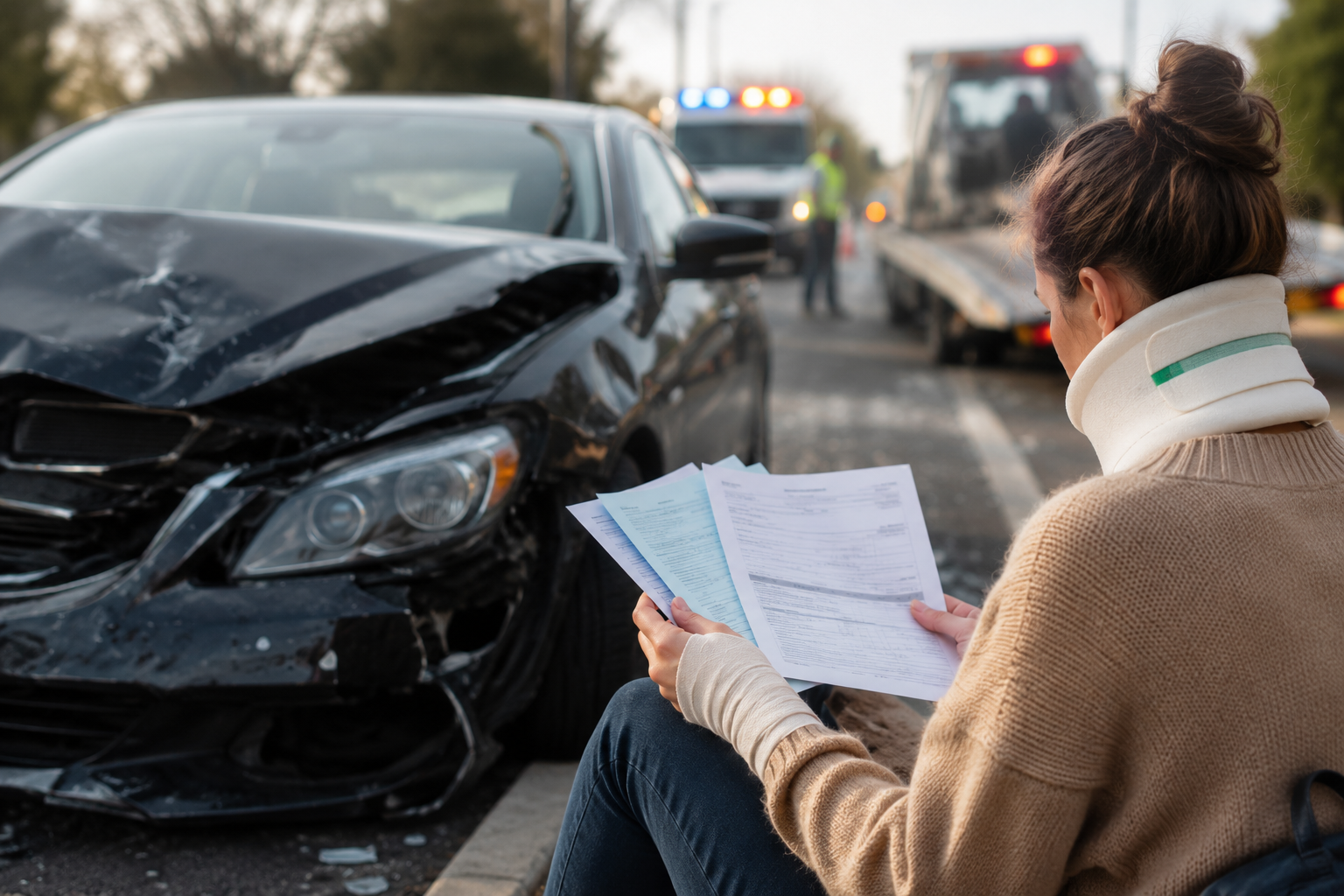
No-fault insurance can be helpful after a car accident because it may provide benefits without first proving who caused the crash. For many injured people, that can mean quicker access to medical bill payments, partial wage replacement, and certain necessary expenses while they begin recovering.
But no-fault benefits have limits. A serious crash can create costs that go far beyond the basic benefits available through insurance. When injuries last longer than expected, income drops, treatment continues, or pain changes everyday life, accident victims may need to look beyond the first layer of coverage. That is when guidance from Abaev Law Firm may help injured people understand what options may still be available.
The First Check Does Not Tell the Whole Story
No-fault benefits are often focused on immediate economic needs. They may help with medical care and some lost income soon after the crash. That can be important, especially when an injured person cannot work or needs treatment right away.
However, the first few weeks after a crash rarely show the full cost of an injury. Pain may worsen, new symptoms may appear, and doctors may recommend additional testing or therapy. What looks manageable at first can become financially overwhelming over time.
Medical Care Can Outgrow Basic Coverage
A crash injury may require emergency treatment, follow-up visits, imaging, medication, injections, physical therapy, specialist care, or surgery. Even when no-fault benefits apply, medical costs can build quickly.
Some injuries also need care long after the initial claim begins. A person with a serious back injury, traumatic brain injury, fracture, or nerve damage may need treatment for months or years. If available benefits run short, the injured person may be left asking who should pay for the remaining care.
Lost Income May Be More Than a Temporary Problem
No-fault wage benefits may provide some support, but they may not fully replace what a person earned before the crash. This can be especially difficult for people who work overtime, hold multiple jobs, rely on tips, run a business, or have irregular income.
The financial strain can become worse if the injury limits future earning ability. A person may return to work but no longer perform the same duties. Others may need fewer hours, a lower-paying job, or a long period away from employment. Those long-term losses may go beyond what basic benefits are designed to handle.
Pain and Suffering Are Different From Bills
No-fault coverage is mainly concerned with economic loss. It does not fully capture what it feels like to live with pain, fear, limited movement, sleep problems, or the loss of normal activities.
A crash can change a person’s daily life in ways that do not appear on a receipt. Someone may be unable to pick up a child, drive comfortably, exercise, attend family events, or sleep through the night. These losses may matter greatly, even if they are not the kind of expense no-fault benefits are built to pay.
Serious Injuries May Change the Legal Path
When an injury is severe enough, the case may move beyond a basic no-fault claim. The injured person may need to examine whether the law allows a claim against the driver who caused the crash.
This can depend on the nature of the injury, the medical evidence, and the lasting effect on the person’s life. Fractures, significant limitations, permanent injuries, disfigurement, or other serious harm may require closer review. The more severe the injury, the more important it becomes to document how the crash affected health, work, and daily routines.
Treatment Delays Can Create Insurance Disputes
Insurance companies may question whether an injury is connected to the crash if there are gaps in treatment. They may argue that the pain came from something else, that the injury is not serious, or that continued care is unnecessary.
This is why prompt and consistent medical care matters. Follow-up appointments, referrals, therapy notes, test results, and doctor restrictions can help show the injury timeline. Records can also explain why treatment was needed and how symptoms developed.
Out-of-Pocket Costs Can Add Up Quietly
Not every crash-related expense is obvious. Injured people may pay for transportation to appointments, parking, medication, medical equipment, home help, childcare, or household tasks they can no longer handle alone.
These smaller costs can add up quickly, especially during a long recovery. Receipts, mileage notes, appointment calendars, and written records can help show how the crash affected the household budget. Without documentation, these losses may be easy for an insurer to overlook.
Property Damage Is a Separate Burden
No-fault benefits generally focus on injury-related losses, not the full burden of repairing or replacing a vehicle. After a crash, a person may also face towing fees, storage charges, rental car costs, repair delays, or a total loss dispute.
This can create pressure even when injury benefits are being paid. If the injured person cannot work, has no vehicle, and is trying to attend medical appointments, the practical problems can multiply. A crash affects more than the body. It can disrupt transportation, employment, and family responsibilities all at once.
The At-Fault Driver’s Coverage May Matter
If the injuries are serious enough to pursue a claim against the responsible driver, that driver’s insurance coverage becomes important. Unfortunately, not every driver carries enough coverage to pay for the full harm caused by a serious crash.
This can raise additional questions about available insurance, uninsured or underinsured motorist coverage, and other possible sources of recovery. The answer may depend on the policies involved and the facts of the collision.
When Basic Benefits Leave Unanswered Questions
No-fault benefits can provide important support, but they may not cover the full cost of a serious crash. Medical care, lost income, pain, long-term limitations, property damage, and household disruption can all extend beyond the first insurance claim.
After a major collision, injured people should not assume that no-fault benefits are the only possible source of help. A careful review of injuries, coverage, fault, medical records, and long-term losses may reveal whether additional legal options should be considered.