


Independent productions run on lean teams, tight schedules, and paperwork that constantly moves among writers, producers, legal reviewers, and location partners. A single shoot can generate location agreements, talent releases, insurance certificates, and vendor contracts, many of which still require signed transmission via fax.
Digital faxing gives small production companies a way to send and receive these documents from any connected device, without a physical machine or a dedicated phone line. The sections below outline where this fits into the day-to-day work of an independent shoot.
Handling Contracts and Releases Across Locations
Independent shoots rarely stay in one place. A production might secure a warehouse one week and a private residence the next, with each site requiring its own agreements before filming begins.
A virtual fax number can be added for a single location and set aside once filming moves on, and setups that keep fax connected to existing email and UC systems rather than standalone hardware — the model behind FaxSIPit’s fax service pricing — tend to fit that start-and-stop pattern. Digital faxing lets a producer send a signed location release from a laptop on set and receive a countersigned copy shortly after, without returning to an office.
Talent and appearance releases follow the same path, moving between performers, agents, and the production coordinator. Because documents arrive directly in an inbox or portal, a coordinator can confirm receipt while the crew continues setting up, which keeps pre-shoot paperwork from becoming a bottleneck.
Protecting Sensitive Cast and Crew Records
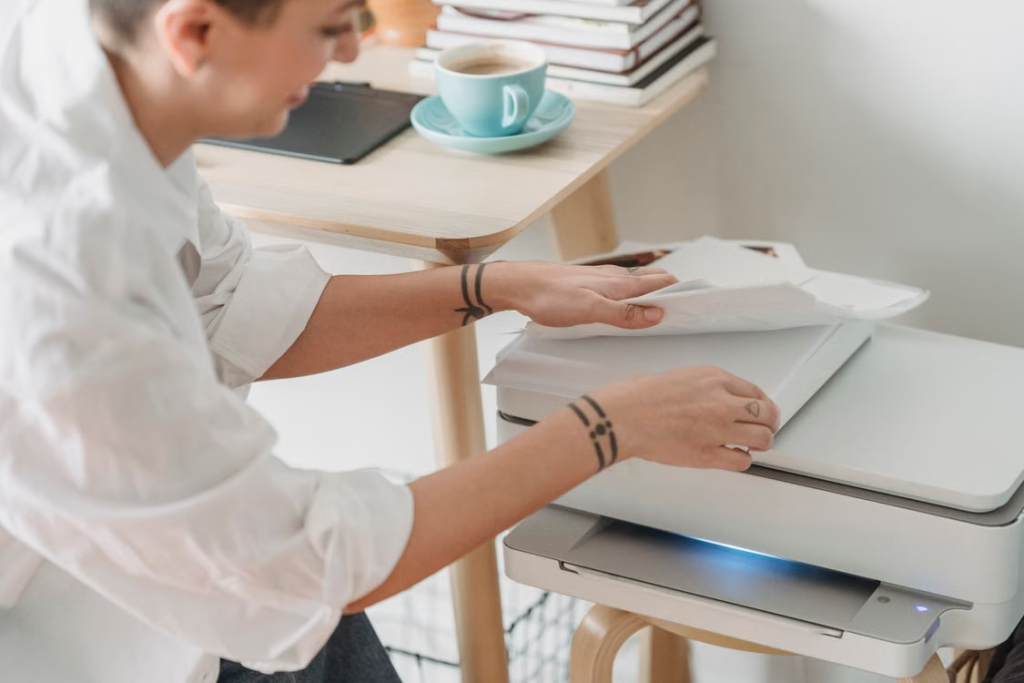
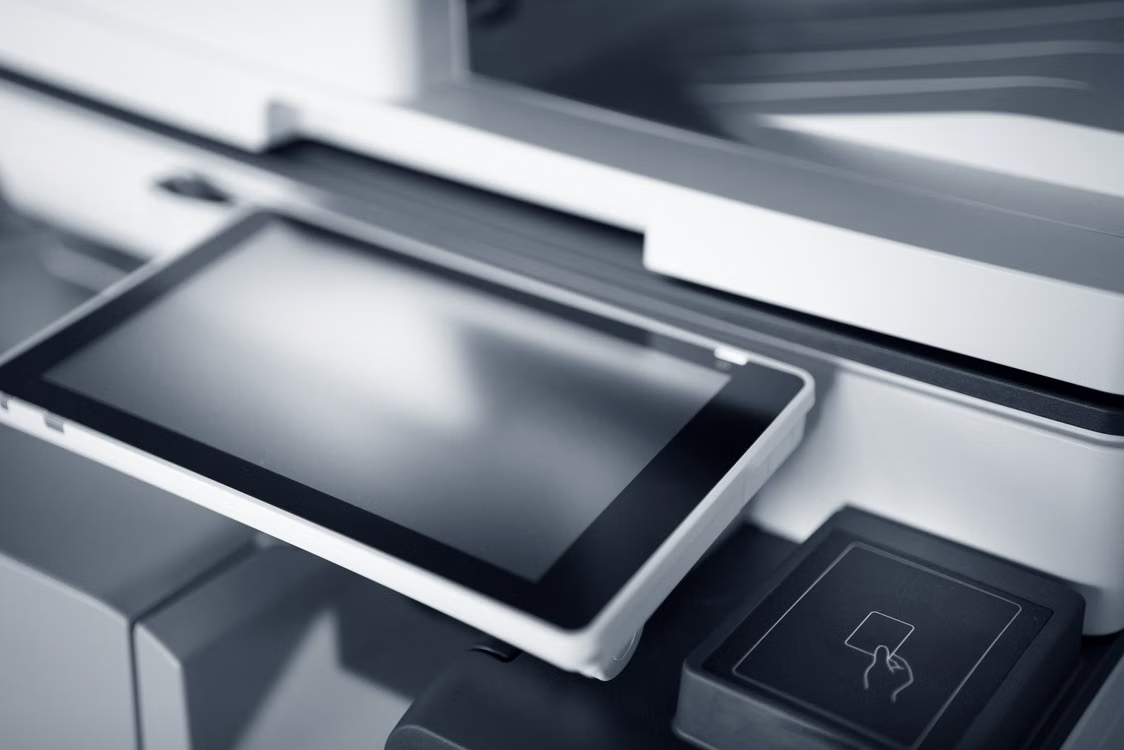
Productions collect a large amount of personal information: tax forms, payroll banking details, minors’ work permits, and identity documents for background checks. Sending these through a shared office machine, where pages can sit in a tray, introduces avoidable risk.
Digital faxing encrypts documents in transit and delivers them to a named recipient rather than an open printer, which matters when a production works with contractors it has known for only a few weeks. Many services also keep an access log, so a production manager can see who retrieved a file and when. For a small team handling other people’s data, that record of custody is worth having.
Controlling Costs on Constrained Budgets
Independent budgets leave little margin for fixed overhead. A traditional fax setup carries recurring charges for a dedicated line, paper, toner, and repairs, expenses that continue whether or not a production is active. Digital faxing shifts this to a usage-based or subscription model that can be paused between projects, which suits a company that works in cycles.
A production that wraps in spring and starts again in autumn pays for what it uses rather than maintaining idle equipment. Removing the machine also frees a producer from sourcing supplies mid-shoot, when attention belongs on the schedule.
Coordinating Distributed and Remote Teams
Post-production, financing, and distribution often involve people who never share a room. An editor may work in one city, a producer in another, and a sales agent abroad. When a distribution partner requests a signed deliverable or a financier needs a countersigned agreement, digital faxing lets each party send from wherever they are.
A virtual fax number stays with the production regardless of where the team relocates, so a document sent to the same address reaches the coordinator whether the office is a rented suite or a home desk. This continuity helps a production maintain its paper trail across project phases.
Keeping Compliant Records for Distribution
Distributors, festivals, and errors-and-omissions insurers expect clean documentation before a finished film changes hands. Chain-of-title records, clearance letters, and music licenses all need to be retrievable long after a shoot ends. Digital faxing archives each transmission in searchable storage, so a producer preparing a delivery package can locate an older clearance without digging through physical files.
Audit trails attached to each fax also give a clear account of when a document was sent and received, which supports the diligence review that precedes most distribution deals. Keeping these records organized from the start reduces the scramble that often accompanies delivery deadlines.
Digital faxing offers independent productions less a piece of technology than a way to remove friction from work that already demands attention elsewhere. It lets a small team move documents securely, keep costs aligned with an irregular schedule, and hold onto the records a project will need when it reaches the delivery stage.