


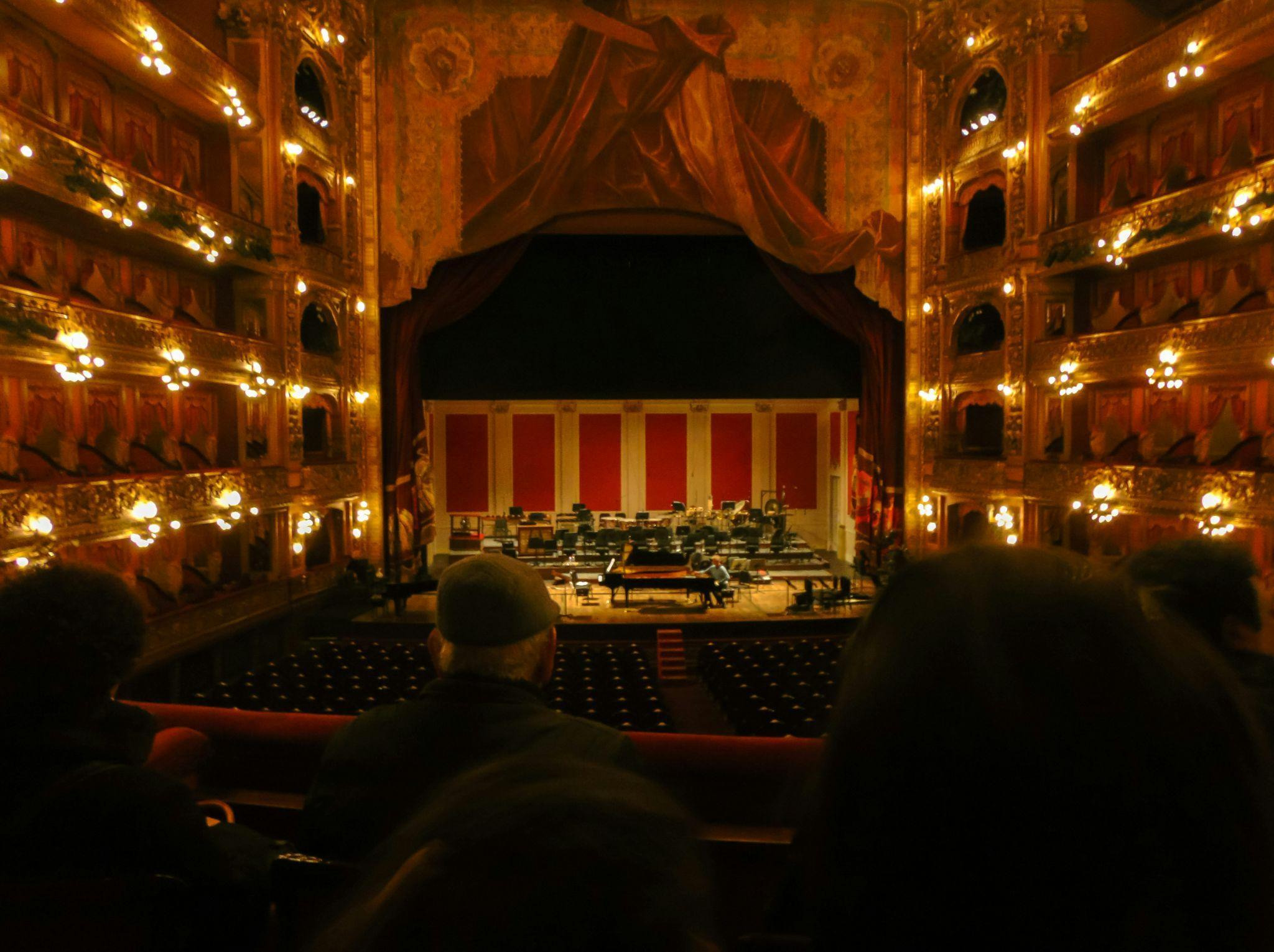
Independent theaters and community galleries often operate with limited budgets, yet visitors still expect inviting, professional spaces that enhance the overall experience. Fortunately, creating an attractive venue doesn’t always require expensive renovations or custom-built interiors. Many of the most effective improvements focus on presentation, flexibility, and thoughtful design rather than large construction projects.
Small cultural spaces have an advantage over larger institutions because they can adapt quickly. A few carefully chosen updates can completely change the atmosphere of a lobby, exhibition room, or performance venue without disrupting daily operations. By investing in durable materials, flexible displays, and strategic visual improvements, smaller organizations can create memorable environments while keeping expenses under control.
Build a Timeless Interior That Works for Every Exhibition
One of the smartest investments for galleries and theaters is creating a neutral backdrop that can support changing performances, exhibitions, and events throughout the year. Rather than redesigning interiors for every new production, many venues focus on finishes that remain attractive regardless of what’s being displayed.
Organizations exploring interior materials often look to https://woodplank.com/ for ideas that add warmth, texture, and character without overwhelming artwork or stage productions. Thoughtfully selected wall finishes can make exhibition spaces feel more refined while remaining versatile enough to complement different artistic styles. Combined with good lighting and uncluttered layouts, these improvements help visitors focus on the performances or exhibits instead of the building itself.
Choosing durable materials also reduces long-term maintenance costs, allowing limited budgets to stretch further over time.
Temporary Signage Can Create a Professional Appearance
Small venues frequently host changing exhibitions, seasonal performances, workshops, and community events. That means signage often needs to change just as frequently. Investing in permanent displays for every event can quickly become expensive, making flexible signage solutions a more practical alternative.
Many organizations choose Printmoz when producing lightweight coroplast signs for temporary exhibitions, directional signage, outdoor promotions, and event announcements. Because these signs are affordable, easy to install, and simple to replace, they allow venues to update information regularly without committing to costly permanent installations. This flexibility is particularly valuable for community organizations where exhibitions and performances change throughout the year.
Well-designed signage also improves the visitor experience by making navigation easier while reinforcing a polished, professional appearance.
Lighting Often Has the Greatest Visual Impact
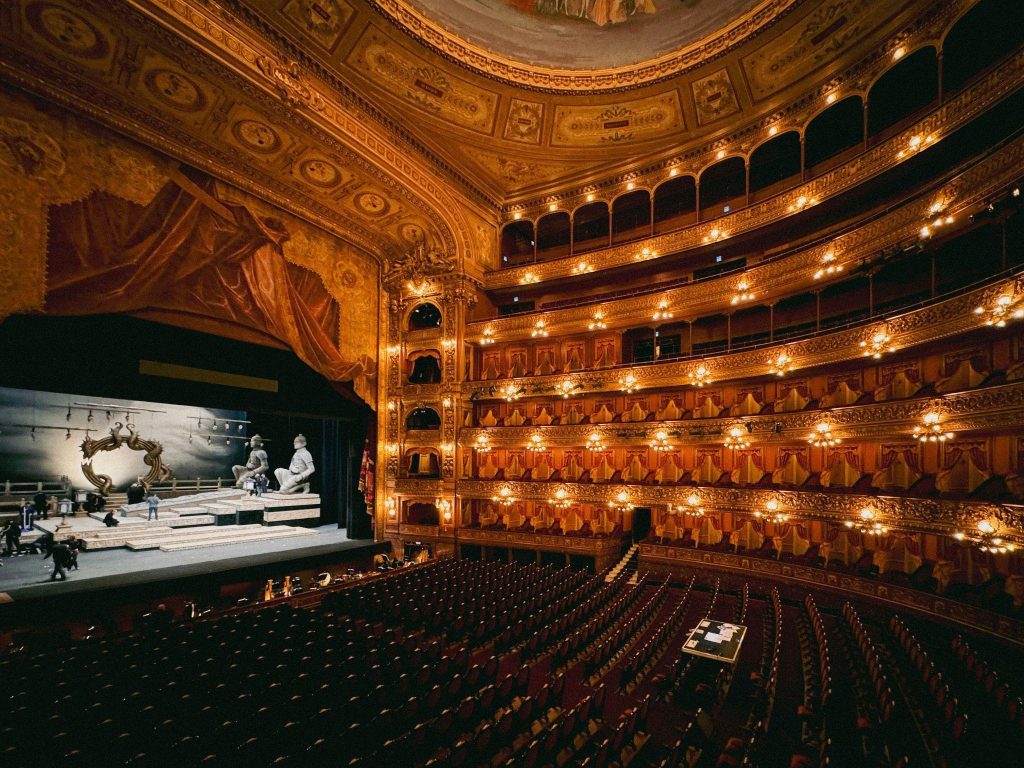
Few improvements transform a cultural space as dramatically as lighting. Even modest venues can feel significantly more refined when artwork, architectural details, and gathering areas are properly illuminated.
Adjustable lighting allows galleries to accommodate exhibitions featuring different mediums, while theaters benefit from flexible systems that support performances, rehearsals, and special events. In public areas, warm, balanced lighting creates a welcoming atmosphere that encourages visitors to spend more time before and after performances.
Natural light should also be considered carefully. While it can enhance common areas and entrances, exhibition spaces may require greater control to protect artwork and ensure consistent viewing conditions.
Good lighting doesn’t simply improve visibility, it shapes the emotional experience of the space.
Let Creativity Replace Large Budgets
One advantage smaller cultural organizations often have is the ability to experiment. Modular furniture, movable display walls, reusable décor, locally produced artwork, and volunteer involvement all allow venues to refresh their appearance without major spending.
Community partnerships can also provide valuable opportunities. Local artists, craftspeople, schools, and design students may contribute ideas or temporary installations that bring fresh energy to the venue while strengthening community connections.
Instead of trying to compete with larger institutions financially, many successful small theaters and galleries distinguish themselves through originality, authenticity, and thoughtful use of available resources.
Visitors frequently remember the atmosphere and creativity far more than expensive materials.
Smart Improvements Leave Lasting Impressions
Creating an attractive cultural venue isn’t about having the largest renovation budget. It’s about making thoughtful decisions that improve the visitor experience while supporting the organization’s long-term needs.
Timeless interior finishes, flexible signage, effective lighting, adaptable layouts, and creative partnerships all allow small theaters and galleries to present themselves professionally without overspending. These improvements not only enhance exhibitions and performances but also encourage repeat visits by creating spaces that feel welcoming, organized, and enjoyable.
The most successful venues understand that memorable experiences begin long before the curtain rises or the artwork is viewed. Every design decision contributes to how visitors feel, proving that creativity and careful planning often achieve far more than a large budget ever could.