


According to the American Association of Orthodontists, over 5.5 million Americans currently use clear aligners — yet research published in the Journal of Clinical Orthodontics shows that improper maintenance is the leading cause of treatment delays and bacterial buildup. As clear aligner technology has evolved from a niche cosmetic option to mainstream orthodontic care, the gap between patient expectations and actual aftercare compliance has widened dramatically.
The stakes are higher than most people realize. Poor aligner hygiene doesn’t just create bad breath or staining — it can harbor dangerous bacteria, cause gum inflammation, and even compromise the structural integrity of the aligners themselves. When aligners don’t fit properly due to warping or bacterial buildup, treatment timelines extend, costs increase, and desired results become harder to achieve.
Understanding proper aftercare isn’t just about following instructions — it’s about protecting a significant investment in your oral health while ensuring the complex biomechanical process of tooth movement proceeds as designed. The difference between patients who sail through treatment and those who struggle often comes down to the daily habits they establish in the first few weeks.
Why Proper Aligner Aftercare Matters for Treatment Success
The connection between aligner cleanliness and treatment effectiveness runs deeper than surface-level hygiene concerns. Clear aligners work through precise, continuous pressure applied to specific teeth over predetermined periods. When bacterial biofilm accumulates on aligner surfaces, it creates microscopic irregularities that interfere with the snug fit required for optimal force transmission. Even minimal gaps between teeth and aligners can reduce treatment efficiency by up to 30%.
Bacterial colonization presents the most serious health risk. Within hours of placement, aligners begin accumulating oral bacteria in warm, moist environments — conditions that promote rapid multiplication. Streptococcus mutans and other harmful bacteria thrive in poorly maintained aligners, potentially leading to white spot lesions, gingivitis, and even periodontal complications. Unlike traditional braces where saliva provides some natural cleansing, aligners create closed environments where bacteria concentrate without natural flushing.
The orthodontic community has documented numerous cases where treatment had to be paused or restarted due to hygiene-related complications. When aligners develop persistent odors, visible staining, or rough textures, they’ve typically reached a point where bacterial colonization has compromised their function. Patients often don’t realize that the cloudy appearance developing after several days isn’t just cosmetic — it’s a biofilm that’s actively interfering with treatment precision.
Beyond immediate health concerns, poor aftercare creates cascading problems throughout the treatment timeline. Warped aligners from improper cleaning don’t track properly, forcing orthodontists to order replacement sets and potentially revise treatment plans. This process can add months to treatment duration and hundreds of dollars in additional costs, transforming what should be a predictable process into an expensive, frustrating experience that tests patient compliance when it matters most.
How to Clean and Maintain Clear Aligners Effectively
Daily Cleaning Routine for Fresh Aligners
Effective aligner maintenance starts the moment you remove them each morning. Rinse aligners immediately with lukewarm water to remove saliva and loose debris before bacteria have time to adhere to surfaces. The temperature matters — hot water can warp the thermoplastic material, while cold water doesn’t effectively dissolve protein deposits that accumulate overnight.
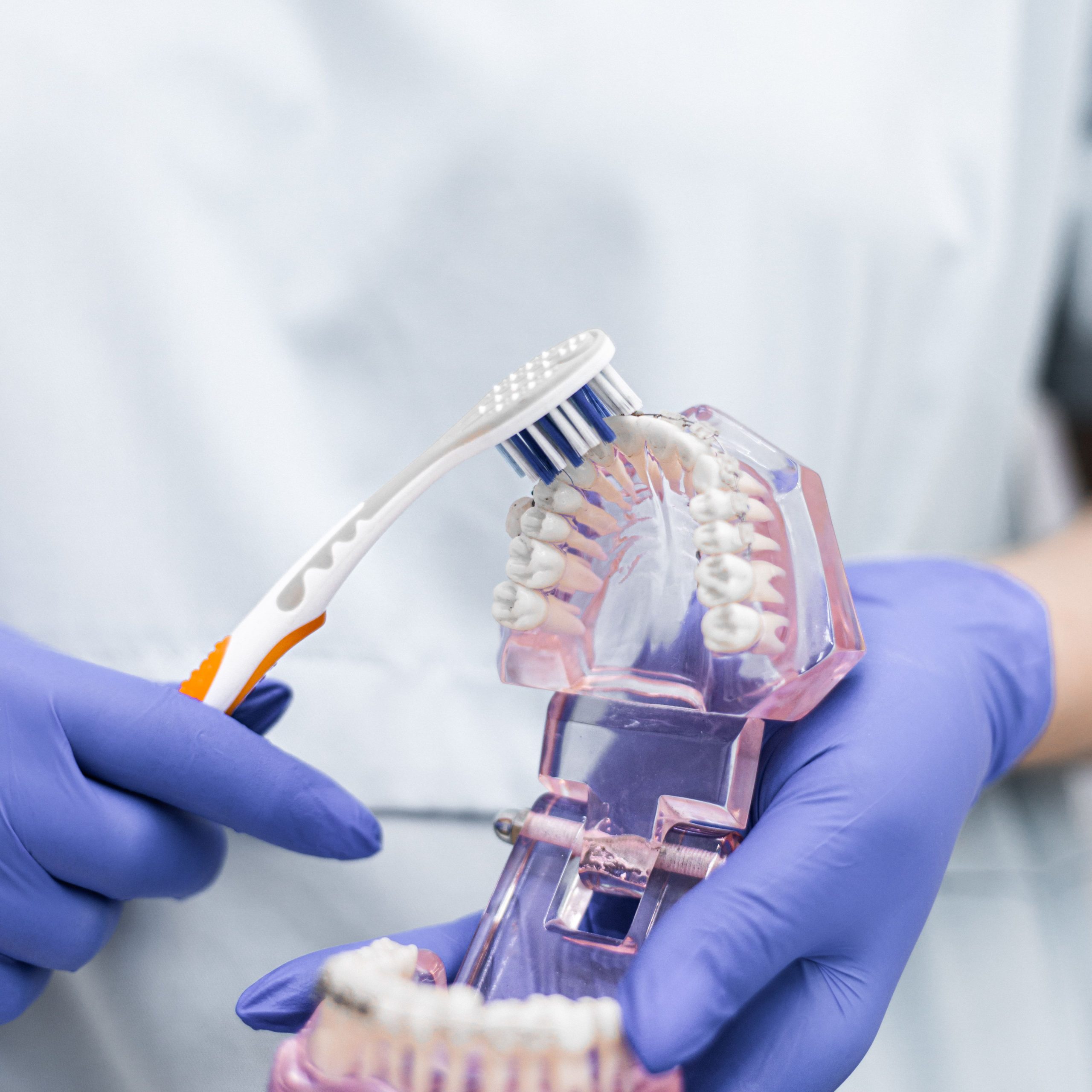
Use a soft-bristled toothbrush dedicated exclusively to aligner cleaning, never your regular toothbrush. Gently brush all surfaces using circular motions, paying special attention to the inner surfaces that contact teeth directly. Avoid toothpaste during this process — most commercial toothpastes contain abrasive particles that create microscopic scratches where bacteria colonize more easily. Instead, use a drop of clear, unscented antibacterial soap if additional cleaning power is needed.
Soaking represents the most critical step in daily maintenance. Dissolve one tablet of orthodontic cleaning solution in lukewarm water and immerse aligners for the manufacturer-recommended time, typically 15-20 minutes. During this period, active ingredients penetrate biofilm formations and neutralize odor-causing bacteria. While aligners soak, brush and floss your teeth thoroughly — this prevents recontamination when aligners are reinserted.
After soaking, rinse aligners again with lukewarm water and inspect them under good lighting. Clear aligners should appear transparent with no visible debris, cloudiness, or rough patches. Any persistent issues signal the need for more intensive cleaning or potential replacement consultation with your invisalign specialist.
Removing and Storing Aligners Safely
Proper removal technique prevents damage that compromises fit and treatment effectiveness. Always start from the back molars, using fingertips to lift aligners away from the gumline rather than pulling from the front. This approach distributes force evenly and prevents stress fractures that commonly develop near the canine attachment points. Never use fingernails or sharp objects, which can create tears or weak spots.
Storage requires immediate attention — leaving aligners exposed to air allows rapid bacterial growth and warping. Carry a dedicated aligner case wherever you go, preferably one with ventilation holes that allow airflow while preventing contamination. Rinse the case regularly with antibacterial soap and replace it monthly to prevent bacterial buildup in corners and crevices.
During meals, store aligners in their case with a small amount of clean water to maintain moisture and temperature stability. Never wrap aligners in napkins or tissues — this practice leads to accidental disposal and exposes aligners to lint and contaminants. Restaurant environments present particular challenges, so develop a consistent routine of immediately placing aligners in their case before ordering.
Consider the timing of removal carefully. Plan meal schedules around aligner wear requirements, removing them just before eating and cleaning both teeth and aligners immediately afterward. Extended periods without aligners reduce treatment effectiveness, while rushed cleaning after meals often leads to inadequate hygiene that creates problems throughout the day.
Comparing Aligner Cleaning Methods and Products
The market offers numerous cleaning solutions, each with distinct advantages and limitations that affect long-term treatment success. Specialized orthodontic cleaning tablets provide the most comprehensive bacterial elimination, using oxidizing agents that penetrate biofilm formations without damaging aligner materials. Brands like Retainer Brite and Polident for aligners undergo specific testing for thermoplastic compatibility, ensuring cleaning effectiveness without material degradation.
Ultrasonic cleaners have gained popularity among patients seeking thorough cleaning with minimal effort. These devices use high-frequency sound waves to create microscopic bubbles that dislodge bacteria from surface irregularities. While effective for routine maintenance, ultrasonic cleaning alone cannot eliminate established biofilm — combination with chemical cleaning agents produces optimal results. Professional-grade ultrasonic cleaners used in dental offices offer more powerful cleaning than consumer versions.
DIY cleaning methods require careful evaluation of safety and effectiveness. White vinegar solutions (one part vinegar to three parts water) can dissolve mineral deposits and neutralize bacteria, but prolonged exposure may cloud aligner materials. Hydrogen peroxide provides excellent antimicrobial action but requires thorough rinsing to prevent tissue irritation. Never use bleach, alcohol-based mouthwashes, or colored soaps, which can permanently stain or chemically damage aligners.
Many patients mistakenly believe that regular mouthwash provides adequate cleaning. Most commercial mouthwashes contain dyes, alcohol, and flavoring agents that accumulate on aligner surfaces, creating sticky residues that actually attract more bacteria. Clear, alcohol-free antimicrobial rinses offer better compatibility, but they lack the mechanical action needed to remove established biofilm formations.
The most effective approach combines multiple methods strategically: daily tablet soaking for bacterial control, periodic ultrasonic cleaning for thorough debris removal, and gentle brushing for mechanical biofilm disruption. This comprehensive strategy addresses different types of contamination while preventing the material fatigue that can result from overaggressive cleaning with single methods.
Common Clear Aligner Aftercare Mistakes to Avoid
Neglecting Cleaning and Wearing Errors
The most prevalent mistake involves inconsistent cleaning schedules that allow bacterial colonization to establish before effective intervention. Many patients clean aligners thoroughly initially but gradually reduce frequency as treatment progresses, assuming that brief wear periods don’t require intensive maintenance. Research demonstrates that bacterial biofilm begins forming within four hours of placement, making daily cleaning non-negotiable regardless of wear duration.
Wearing aligners while eating or drinking anything other than plain water represents another serious compliance error. Even clear beverages like diet soda contain acids that soften aligner materials and promote bacterial growth in trapped liquid. Coffee and tea create particularly stubborn stains that indicate chemical interaction with the thermoplastic structure. These practices don’t just affect appearance — they compromise the precise fit required for effective tooth movement.
Temperature-related damage occurs frequently among patients who don’t understand material limitations. Leaving aligners in hot cars, washing them with hot water, or storing them near heat sources causes irreversible warping that requires costly replacements. Similarly, patients who attempt to sterilize aligners in boiling water or dishwashers create damage that’s often subtle initially but progressively worsens with continued use.
Inadequate wearing time represents perhaps the most treatment-compromising mistake. Clear aligners require 20-22 hours of daily wear to maintain the continuous pressure necessary for predictable tooth movement. Patients who regularly wear aligners for shorter periods often experience longer treatment times, increased discomfort when aligners are reinserted, and compromised final results that may require additional correction phases.
Misconceptions About Aligner Hygiene
A persistent myth suggests that soaking aligners in mouthwash provides equivalent cleaning to specialized products. Most mouthwashes contain alcohol and artificial colors that can cloud or stain aligner materials permanently. The antimicrobial agents in mouthwash aren’t formulated for extended contact with thermoplastic materials and may cause chemical degradation that affects fit and comfort over time.
Many patients believe that brushing teeth immediately before reinserting aligners eliminates the need for aligner cleaning. While oral hygiene is crucial, this approach ignores the bacterial contamination that occurs on aligner surfaces during wear. Bacteria colonize aligners independently of oral bacteria, requiring targeted cleaning that addresses both interior and exterior surfaces.
The “rinse-only” approach represents another common misconception, particularly among patients concerned about damaging their aligners with cleaning products. Clear water rinsing removes loose debris but cannot eliminate bacterial biofilm or dissolved proteins that create odors and cloudiness. This minimal approach often leads to accelerated aligner deterioration and hygiene-related treatment complications.
Some patients assume that newer aligner sets don’t require intensive cleaning because they’re fresh from packaging. However, bacterial contamination begins immediately upon insertion, and establishing consistent cleaning habits from the first day prevents problems that become progressively harder to address. The sterile packaging provides initial cleanliness, but ongoing maintenance determines long-term success.
Adapting Clear Aligner Care for Travel and Busy Lifestyles
Professional travel demands create unique challenges for maintaining consistent aligner care without compromising treatment progress. Portable cleaning kits become essential, including travel-sized cleaning tablets, a dedicated soft brush, and backup aligner cases for emergencies. Airport security restrictions require understanding which cleaning products are permitted in carry-on luggage — solid cleaning tablets typically face fewer restrictions than liquid solutions.
Hotel environments present particular hygiene challenges, especially when bathroom facilities are shared or cleaning supplies are limited. Develop contingency plans that don’t rely on ideal conditions: pre-moistened aligner cleaning wipes provide backup when soaking isn’t possible, and sealed water bottles ensure clean rinsing when tap water quality is questionable. Many experienced patients pack extra cleaning supplies in checked luggage while carrying minimal essentials for short flights.
Athletic activities require specialized consideration for aligner protection and post-activity cleaning. Contact sports necessitate aligner removal and secure storage to prevent loss or damage, while endurance activities create increased bacterial growth from elevated mouth temperatures and altered saliva production. Post-exercise cleaning becomes more critical as sweat and dehydration concentrate bacteria in the oral environment.
Busy professional schedules often conflict with optimal eating and cleaning windows, tempting patients to skip meals or extend wear periods inappropriately. Successful patients develop workplace strategies: keeping cleaning supplies in desk drawers, scheduling meals around meeting breaks, and identifying private spaces for aligner removal and insertion. The key lies in making maintenance so routine that it requires minimal decision-making during stressful periods.
Time-constrained cleaning situations benefit from prioritized approaches that maintain essential hygiene when full routines aren’t possible. Quick rinsing and immediate storage prevent bacterial multiplication until comprehensive cleaning becomes feasible, while emergency cleaning tablets provide antimicrobial action during abbreviated lunch breaks. However, these shortcuts should supplement, never replace, thorough daily cleaning that ensures treatment stays on track.
The patients who navigate lifestyle challenges most successfully treat aligner care as non-negotiable infrastructure rather than optional maintenance. By building cleaning routines around existing habits and preparing for predictable disruptions, they protect their investment while maintaining the daily consistency that transforms months of treatment into lasting results.