


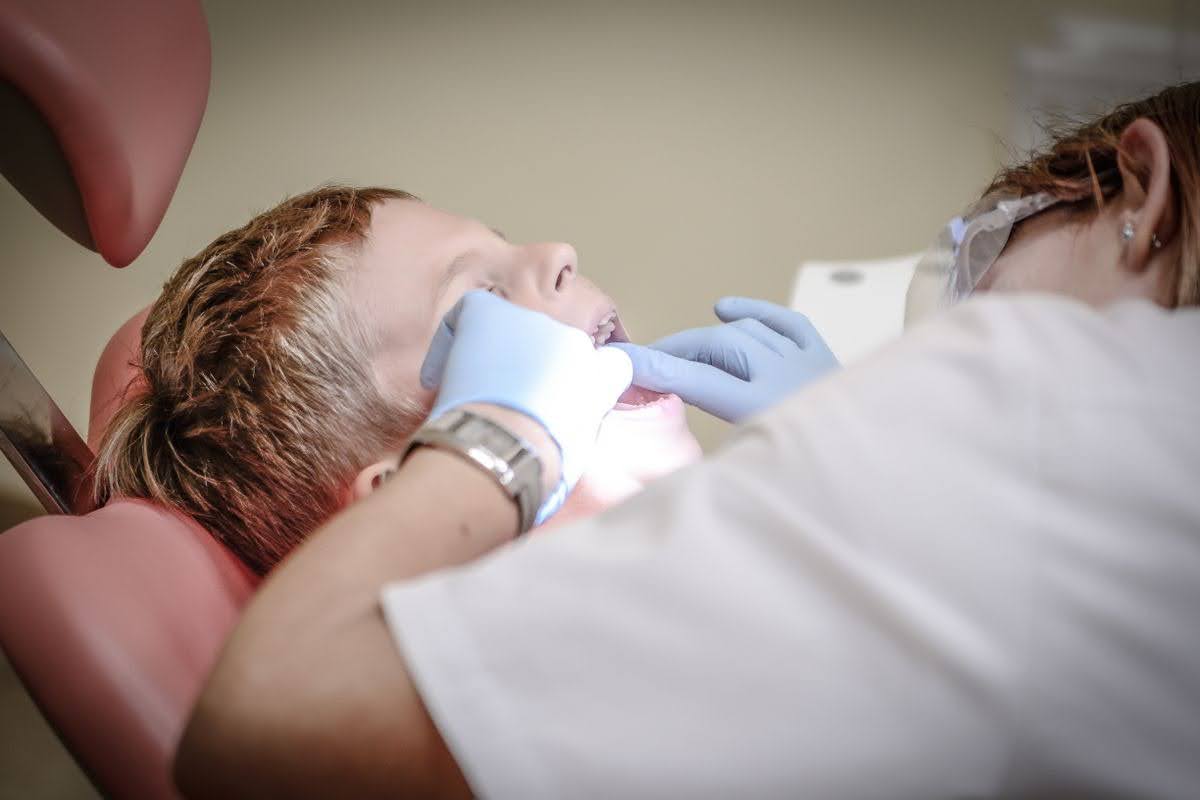
Dental anxiety isn’t just a minor inconvenience for children — it’s a genuine barrier to care that can shape a lifetime of oral health outcomes. According to a 2021 study published in the *European Archives of Paediatric Dentistry*, dental fear affects somewhere between 9% and 20% of children across various populations, making routine appointments a genuine ordeal for a significant share of families. And that’s before you factor in kids with developmental differences, extensive treatment needs, or teeth that simply can’t wait.
Pediatric dentistry has evolved considerably in how it responds to this reality. Sedation is no longer reserved for the most extreme cases — it’s now a carefully calibrated clinical tool, matched to a child’s specific needs, age, temperament, and procedure type. But parents often struggle to understand when sedation makes sense versus when other approaches might be more appropriate. That ambiguity deserves a clearer answer.
What follows isn’t a primer on sedation itself — it’s a practical guide to the decision-making behind it: when it’s indicated, what different approaches actually do, what the trade-offs look like, and what families should ask before moving forward.
—
When and Why Sedation Dentistry Is Recommended for Children
The decision to use sedation in pediatric dentistry isn’t made lightly, and it’s rarely made based on a single factor. Dentists weighing this option are balancing clinical necessity, behavioral readiness, the child’s medical history, and the complexity of the procedure itself.
Procedure complexity is one of the most common triggers. Straightforward preventive care — a cleaning, a sealant application — rarely warrants sedation for a cooperative child. But multiple extractions, pulpotomies, or extensive restorative work across several teeth changes that calculation significantly. Lengthy procedures require a child to remain still for extended periods, which is simply unrealistic for many young patients without some form of pharmacological support.
Behavioral and emotional factors carry equal weight. A five-year-old who cannot tolerate examination without distress — despite a skilled dentist’s full toolkit of distraction techniques and positive reinforcement — isn’t a behavior problem. That child may have a legitimate physiological fear response that behavioral management alone can’t adequately address. The same applies to children who’ve had prior traumatic dental experiences or those with a hyperactive gag reflex that makes treatment physically difficult.
Special healthcare needs represent a third, distinct category. Children with autism spectrum disorder, cerebral palsy, intellectual disabilities, or sensory processing differences often struggle to cooperate with dental care in ways that have nothing to do with willingness. For these patients, sedation isn’t a workaround — it’s frequently the only clinically safe path to completing necessary treatment.
Age and cognitive development also factor into these decisions. Toddlers and very young children lack the capacity to understand or cooperate with complex procedures, regardless of how they’re approached. A two-year-old requiring a pulpotomy presents a fundamentally different challenge than an eight-year-old with moderate anxiety.
To illustrate how this plays out in practice: imagine a four-year-old with early childhood caries affecting five teeth. She’s cooperative for brief exams but becomes inconsolable when instruments approach her mouth. Non-invasive behavioral techniques help her through cleanings — but not through the multi-visit restorative treatment she needs. That’s precisely the scenario where a sedation conversation becomes clinically appropriate.
—
Common Types of Pediatric Sedation and How They Work
Not all sedation is the same, and the depth of sedation used should directly correspond to what the child needs and what the procedure demands.
Conscious Sedation Methods in Pediatric Dentistry
Nitrous oxide — commonly called laughing gas — is the most widely used conscious sedation method in pediatric dentistry, and for good reason. It works quickly, wears off quickly, and allows children to remain awake and communicative throughout treatment. Delivered through a small mask placed over the nose, it produces a mild euphoric sensation that reduces anxiety without inducing sleep. Because it’s inhaled rather than ingested, the onset is rapid and the effect fades almost completely within minutes of removing the mask. Children typically return to normal activity the same day without residual grogginess.
Oral conscious sedation takes things a step further. An oral sedative — often a benzodiazepine like midazolam — is administered before the appointment, producing a deeper state of relaxation. The child remains conscious and can respond to instructions, but is significantly less aware of and bothered by what’s happening. This method requires more pre-appointment planning, including fasting instructions, and carries a longer recovery period than nitrous oxide. It’s typically reserved for children with moderate-to-severe anxiety or those undergoing more involved procedures where nitrous oxide alone wouldn’t provide sufficient relief.
Deeper Sedation and General Anesthesia for Kids
When conscious sedation methods aren’t sufficient — either because the procedure is too extensive or the child cannot cooperate even with moderate sedation — IV sedation or general anesthesia becomes the appropriate path. These are administered by an anesthesiologist or a dentist with advanced anesthesia training, typically in a hospital or accredited surgical center.
General anesthesia renders the child completely unconscious, eliminating any awareness or movement during treatment. This makes it particularly valuable for very young children, those with complex special needs, or patients requiring comprehensive full-mouth rehabilitation in a single session. The recovery is more involved — children need monitoring as they wake up and typically spend time in a recovery area — and the risks, while manageable under proper supervision, are meaningfully higher than with lighter sedation methods. These cases require the most rigorous pre-operative assessment and the most stringent monitoring protocols.
—
Benefits and Risks of Sedation in Pediatric Dentistry
The case for pediatric dental sedation, when appropriately indicated, is genuinely compelling. The most immediate benefit is treatment completion. A child who cannot tolerate necessary procedures without sedation faces a real alternative: declining oral health, potential infections, and the reinforcement of dental fear that carries into adulthood. Sedation makes it possible to complete treatment safely, efficiently, and without creating new psychological trauma.
There’s also a quality-of-care dimension. A calm, still patient allows the dentist to work more precisely and thoroughly. In the case of young children or those with significant anxiety, sedation can actually improve treatment outcomes — not just make the appointment more manageable.
For children with special healthcare needs, sedation frequently eliminates the physical risk of involuntary movement during procedures. Completing multiple treatments in a single session under general anesthesia can reduce overall exposure to clinical settings, which is itself a significant benefit for patients who find those environments acutely distressing.
The risks, however, are real and deserve honest discussion. Even with nitrous oxide — the safest option on the spectrum — there are rare cases of nausea or inadequate sedation requiring adjustments. Oral sedation introduces medication-specific risks including over-sedation, respiratory depression, and paradoxical reactions where children become more agitated rather than calmer. These aren’t common, but they occur.
General anesthesia carries the most significant risk profile, including rare but serious complications related to airway management and cardiovascular response. The American Academy of Pediatric Dentistry’s clinical guidelines emphasize that anesthesia for children should only be administered by properly trained personnel in facilities equipped for pediatric emergencies — a standard that reflects the stakes involved.
Weighing these trade-offs requires honest conversation between the dental team and the family. The question isn’t whether sedation is inherently safe or inherently risky — it’s whether the benefits of completing necessary treatment outweigh the risks of the sedation method chosen, given that specific child’s health status and clinical needs.
—
How to Prepare Your Child and Choose a Safe Pediatric Sedation Dentist
Preparing and Caring for Your Child During Sedation
Preparation begins well before the appointment. For any sedation method beyond nitrous oxide, the dental team will provide fasting instructions — typically no food or drink for several hours beforehand — to reduce the risk of aspiration. Parents should also disclose the child’s full medical history, including any medications, supplements, or prior reactions to sedation or anesthesia.
On the day of the appointment, keeping routines calm and predictable helps. Anxious parents communicate anxiety to children, so honest, age-appropriate reassurance tends to work better than over-explaining or minimizing. Many practices allow a parent to accompany the child until sedation takes effect, which can ease the transition significantly.
Recovery looks different depending on the sedation depth. Nitrous oxide clears quickly; children can usually eat and resume activity within the hour. Oral sedation and deeper methods require a quiet day at home, close monitoring, and clear written instructions from the dental team about what’s normal versus what warrants a call back to the office.
Choosing the Right Pediatric Sedation Dentist and Understanding Safety Standards
Parents evaluating providers should look for specific credentialing, not just general pediatric dental experience. Dentists administering oral sedation or deeper methods should hold a permit from their state dental board, which requires documented training beyond dental school. For general anesthesia, an anesthesiologist or oral surgeon with pediatric-specific training should be involved.
Facilities matter too. The practice should use pulse oximetry and continuous vital sign monitoring throughout any sedation procedure — these are baseline safety standards, not optional extras. For families in the Pacific Northwest, consulting with a trusted kids dentist in Portland who meets these credentialing standards is a meaningful starting point for understanding whether sedation is appropriate for your child.
Ask directly about the provider’s emergency protocols: Is there on-site oxygen? Are staff trained in pediatric advanced life support? How many sedation cases do they perform annually? These aren’t uncomfortable questions — any reputable practice will welcome them.