


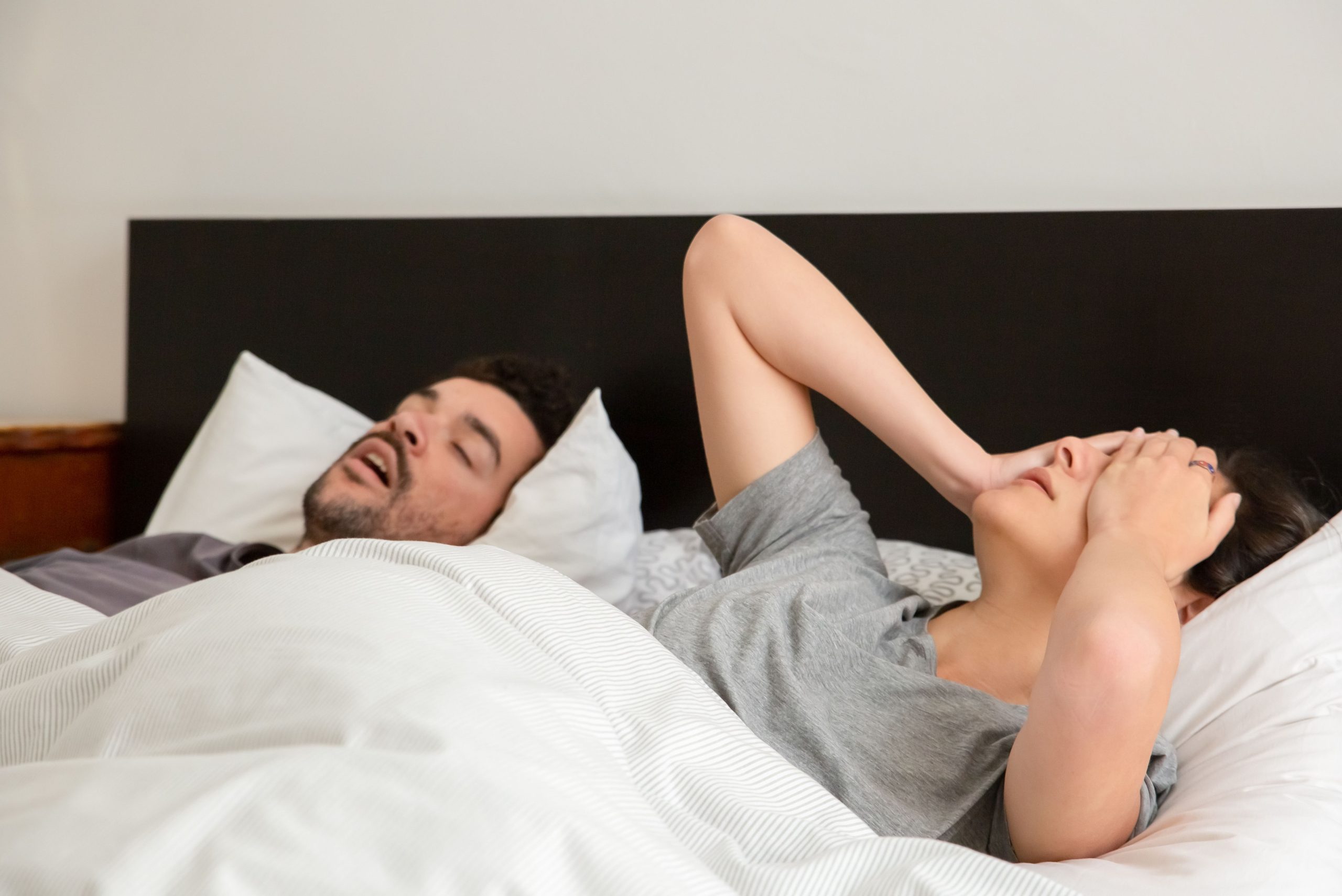
According to the American Sleep Apnea Association’s 2024 data, an estimated 22 million Americans suffer from sleep apnea, yet 80% remain undiagnosed — many attributing their chronic exhaustion to stress, aging, or busy schedules rather than a potentially serious breathing disorder. As sleep medicine advances and awareness grows, the connection between nighttime breathing interruptions and daytime fatigue is becoming impossible to ignore.
The stakes extend far beyond feeling tired. Untreated sleep apnea doesn’t just rob you of restorative sleep — it systematically stresses your cardiovascular system, fragments your sleep architecture, and can contribute to everything from workplace accidents to long-term heart disease. For the millions experiencing unexplained daytime fatigue, understanding what actually causes sleep apnea represents the first step toward reclaiming both their nights and their days.
What makes sleep apnea particularly insidious is how its causes interweave through anatomy, lifestyle, genetics, and underlying health conditions, creating a complex web that varies significantly between individuals. Recognizing these contributing factors — and how they disrupt your breathing during sleep — can help explain why that persistent tiredness might be more than just a busy schedule.
How Sleep Apnea Develops Through Airway Obstruction
Sleep apnea fundamentally occurs when normal breathing patterns break down during sleep, but the mechanisms behind these disruptions reveal why this condition affects so many people in different ways. During healthy sleep, your breathing remains steady and automatic, controlled by your brainstem’s respiratory centers that monitor carbon dioxide levels and adjust breathing accordingly. When sleep apnea develops, this seamless process encounters interference — either from physical blockages or neurological miscommunication.
The most common form involves mechanical obstruction of your upper airway. Picture your throat as a flexible tube surrounded by soft tissues — your tongue, soft palate, uvula, and throat muscles. During waking hours, these tissues maintain enough muscle tone to keep your airway open. But sleep naturally relaxes all muscles, including those supporting your airway. In people prone to sleep apnea, this relaxation allows tissues to collapse inward, creating partial or complete blockages that interrupt airflow.
Your body treats each breathing interruption as an emergency. When oxygen levels drop and carbon dioxide accumulates, your brain triggers a brief awakening — often so short you won’t remember it — to restore muscle tone and reopen the airway. This cycle can repeat hundreds of times per night, fragmenting your sleep architecture and preventing the deep, restorative sleep phases your body needs for physical and mental recovery.
Central sleep apnea operates differently, involving disrupted communication between your brain and breathing muscles. Rather than physical obstruction, the respiratory control centers temporarily fail to send proper signals to your diaphragm and other breathing muscles, causing breathing to pause entirely. These neurological interruptions often occur alongside heart conditions, stroke, or other medical issues that affect brainstem function, creating a distinct pattern of breathing cessation that requires different treatment approaches than obstructive cases.
Common Causes and Risk Factors of Sleep Apnea
Sleep apnea develops through distinct pathways depending on whether obstruction occurs physically or neurologically, making it essential to understand what drives each type. While both forms disrupt breathing and fragment sleep, their underlying causes point toward different risk factors and treatment strategies.
Obstructive Sleep Apnea Causes
Anatomical factors play the primary role in obstructive sleep apnea development. A naturally narrow airway, enlarged tonsils or adenoids, or a recessed chin can predispose someone to airway collapse during sleep. Excess tissue in the throat — whether from genetics, weight gain, or aging — reduces the space available for airflow and increases collapse risk when muscles relax.
Obesity represents the strongest modifiable risk factor, as excess weight creates additional pressure on the upper airway and can lead to fat deposits around the neck and throat. Even moderate weight gain can transform occasional snoring into full sleep apnea episodes. Age compounds this effect, as muscle tone naturally decreases over time, making the airway more susceptible to collapse regardless of weight status.
Lifestyle factors like alcohol consumption and smoking worsen the problem by further relaxing throat muscles or creating inflammation that narrows airways. Sleeping position matters too — back sleeping allows gravity to pull the tongue and soft tissues backward, increasing obstruction likelihood in susceptible individuals.
Central Sleep Apnea Causes
Central sleep apnea typically stems from underlying medical conditions that affect the brain’s respiratory control centers. Heart failure represents the most common cause, as the condition can disrupt the normal feedback loop between carbon dioxide levels and breathing drive. Stroke, brain tumors, or infections affecting the brainstem can directly damage the neural circuits responsible for automatic breathing control.
Opioid medications increasingly contribute to central sleep apnea cases, as these drugs suppress the respiratory drive even during sleep. High altitude exposure can temporarily trigger central episodes as the body adjusts to lower oxygen levels, while certain genetic conditions affecting brainstem development create lifelong susceptibility to breathing control disruptions.
How Lifestyle and Health Conditions Contribute to Sleep Apnea
The relationship between sleep apnea and broader health extends far beyond simple cause and effect — it creates interconnected cycles where existing conditions worsen sleep apnea, which then exacerbates those same health problems. Understanding these connections helps explain why sleep apnea often emerges alongside other chronic conditions and why treating it can have surprisingly wide-ranging health benefits.
Metabolic syndrome and diabetes create particularly strong links with obstructive sleep apnea. Insulin resistance and weight gain — hallmarks of metabolic dysfunction — increase fat deposits around the neck and airway while promoting inflammation that can narrow breathing passages. Simultaneously, the sleep fragmentation caused by apnea episodes disrupts hormone regulation, worsening insulin sensitivity and making weight management more difficult. This creates a reinforcing cycle where metabolic problems promote sleep apnea, which then accelerates metabolic dysfunction.
Cardiovascular disease shows similar bidirectional relationships with sleep apnea. The repeated oxygen drops and sleep disruptions characteristic of apnea episodes trigger stress hormone releases and blood pressure spikes that strain the heart over time. People with existing heart conditions often develop central sleep apnea as their cardiovascular system struggles to maintain stable breathing control. Meanwhile, untreated sleep apnea independently increases risks for hypertension, heart rhythm problems, and stroke through the chronic cardiovascular stress it creates.
Genetic predisposition influences sleep apnea risk through multiple pathways. Family history affects facial and airway anatomy, muscle tone characteristics, and respiratory control sensitivity. Certain ethnic backgrounds show higher sleep apnea prevalence, likely reflecting genetic differences in facial structure and fat distribution patterns. However, genetics typically require environmental triggers — like weight gain, aging, or health conditions — to manifest as clinical sleep apnea.
Hormonal changes significantly impact sleep apnea development, particularly in women. Menopause reduces estrogen and progesterone levels that normally help maintain upper airway muscle tone, explaining why sleep apnea rates increase dramatically in postmenopausal women. Pregnancy can temporarily worsen sleep apnea through weight gain and hormonal shifts, while conditions like hypothyroidism create fluid retention and tissue changes that narrow airways.
How Sleep Apnea Causes Daytime Fatigue and Health Risks

The exhaustion experienced by people with sleep apnea goes far beyond typical tiredness — it represents the cumulative effect of systematically disrupted sleep architecture and chronic oxygen deprivation that prevents true rest and recovery. Each apnea episode triggers a cascade of physiological responses that fragments sleep and stresses multiple body systems simultaneously.
Sleep architecture destruction forms the foundation of sleep apnea’s fatigue-inducing effects. Normal sleep cycles through distinct stages, including deep slow-wave sleep and REM sleep that serve critical restorative functions. Sleep apnea episodes force frequent brief awakenings that prevent progression through these deeper sleep stages, even when total sleep time appears adequate. People may spend eight hours in bed but receive only fragmented light sleep, missing the neurological and physical restoration that occurs during uninterrupted deep sleep phases.
Oxygen desaturation during apnea episodes creates additional fatigue through multiple mechanisms. When breathing stops, blood oxygen levels drop while carbon dioxide accumulates, triggering emergency arousal responses that flood the system with stress hormones like cortisol and adrenaline. These repeated stress responses prevent the parasympathetic nervous system activation needed for true rest and recovery, leaving people feeling wired but exhausted.
The cognitive impacts extend beyond simple tiredness into measurable executive function decline. Sleep apnea affects attention, working memory, and decision-making abilities through chronic sleep deprivation and intermittent oxygen drops that can damage brain tissue over time. Many people notice difficulty concentrating, increased forgetfulness, or feeling mentally “foggy” during the day — symptoms that often improve dramatically with effective treatment.
Cardiovascular stress from sleep apnea creates fatigue through the physical toll of repeated blood pressure spikes and heart rate fluctuations throughout the night. The cardiovascular system never truly rests, working harder to maintain circulation during oxygen drops and managing the inflammatory responses triggered by chronic sleep disruption. Over time, this contributes to the development of hypertension, heart rhythm problems, and increased stroke risk that compound the fatigue experience.
For many people, exploring sleep apnea treatment options becomes essential not just for improving sleep quality, but for addressing the broader health impacts that develop when breathing disruptions go unaddressed for months or years.
How Sleep Apnea Is Diagnosed and Its Severity Determined
Accurate sleep apnea diagnosis requires objective measurement of breathing disruptions during actual sleep, as many people remain unaware of their nighttime breathing problems despite experiencing significant daytime symptoms. The diagnostic process aims to quantify both the frequency and severity of apnea episodes while identifying the specific type of sleep apnea to guide appropriate treatment selection.
Polysomnography represents the gold standard for sleep apnea diagnosis, monitoring multiple physiological parameters simultaneously during overnight sleep in a controlled laboratory environment. This comprehensive test measures brain waves, eye movements, muscle activity, heart rhythm, breathing effort, airflow, and blood oxygen levels to create a complete picture of sleep architecture and breathing patterns. The study reveals not only whether apnea episodes occur, but also their duration, associated oxygen drops, and impact on sleep stage progression.
Home sleep apnea tests offer a more convenient alternative for many patients, using portable devices that monitor breathing patterns, oxygen levels, and heart rate in the familiar home environment. While less comprehensive than laboratory studies, these tests effectively detect moderate to severe obstructive sleep apnea and have become increasingly sophisticated in recent years. However, they may miss milder cases or central sleep apnea patterns that require the more detailed monitoring available in sleep laboratories.
Severity classification follows standardized criteria based on the Apnea-Hypopnea Index (AHI), which counts the number of breathing interruptions per hour of sleep. Mild sleep apnea involves 5-14 episodes per hour, moderate ranges from 15-29 episodes, and severe exceeds 30 episodes per hour. However, symptom severity doesn’t always correlate directly with AHI numbers — some people with relatively low episode counts experience significant daytime impairment, while others with higher AHI scores report fewer symptoms.
The diagnostic process also evaluates oxygen desaturation patterns and sleep fragmentation to assess overall sleep apnea impact. Brief, shallow oxygen drops may cause less physiological stress than prolonged, severe desaturations, even if episode counts appear similar. Understanding these patterns helps clinicians tailor treatment intensity and monitoring approaches to each individual’s specific sleep apnea characteristics.
Moving forward, the key lies in recognizing that persistent daytime fatigue combined with risk factors like snoring, witnessed breathing interruptions, or morning headaches warrants professional evaluation — regardless of how “normal” your sleep might feel to you.