


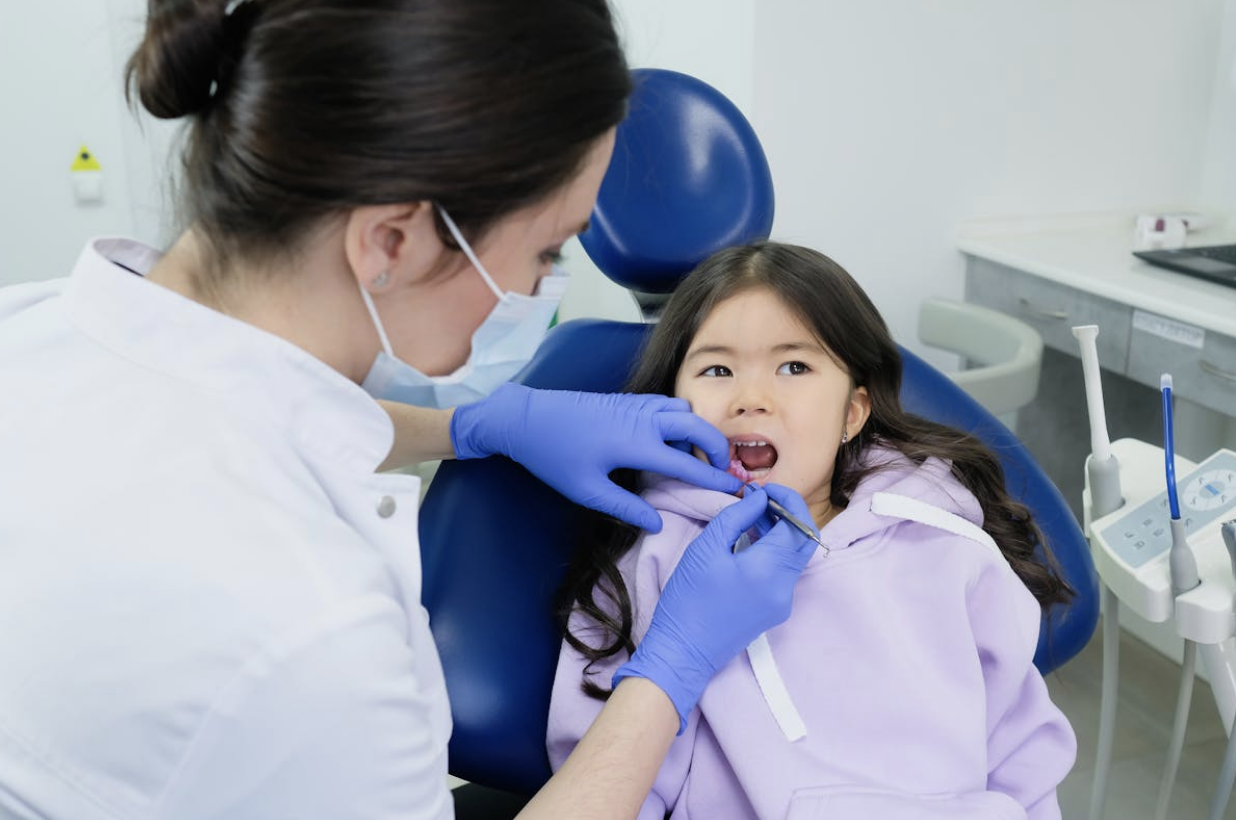
According to the American Dental Association’s 2024 pediatric oral health data, approximately 42% of children aged 2-11 develop cavities in their primary teeth, with many requiring restorative treatments beyond simple fillings. What catches most parents off guard isn’t just the prevalence of childhood dental problems, but the sophisticated decision-making that determines whether a damaged tooth gets a filling, a crown, or an extraction. As pediatric dentistry increasingly emphasizes preserving primary teeth until their natural loss, dental crowns have become a critical intervention that can mean the difference between maintaining proper oral development and facing years of complications from premature tooth loss.
The stakes extend far beyond aesthetics. A child’s primary teeth serve as placeholders for permanent teeth, support proper chewing function, and play essential roles in speech development. When decay or trauma compromises a tooth’s structure significantly, the clinical decision between crowning and extraction often hinges on factors most parents never consider — factors that ultimately shape their child’s oral health trajectory well into adolescence.
Understanding when crowns become necessary, what the placement process involves, and how pediatric crowns differ from adult versions helps parents navigate these decisions with confidence rather than anxiety.
What Are the Key Signs a Child Needs a Crown
The most obvious indicator emerges when a cavity has destroyed more than half of a tooth’s crown structure, leaving insufficient healthy tooth material to support a traditional filling. Unlike adult teeth that can often accommodate large composite restorations, children’s primary teeth have proportionally thinner enamel and larger pulp chambers, making them more vulnerable to fracture when significant tooth structure is lost.
Trauma presents another clear pathway to crown placement. A seven-year-old who chips a permanent molar during sports, or a toddler who fractures a front tooth in a fall, often needs crown protection when the remaining tooth structure becomes too weak to withstand normal chewing forces. Pediatric dentists evaluate not just the visible damage, but also potential pulp involvement and the tooth’s long-term structural integrity.
Root canal treatment in children almost always necessitates crown placement afterward. When infection or deep decay reaches the tooth’s nerve, the subsequent root canal therapy removes significant internal tooth structure, leaving the remaining shell brittle and prone to fracture. The combination of lost internal support and the natural forces of childhood eating and teeth grinding creates a scenario where crown protection becomes essential for tooth survival.
Some children develop such severe enamel defects — whether from genetics, early illness, or developmental factors — that their teeth essentially crumble despite good oral hygiene. These cases often require multiple crowns to preserve function and prevent the cascading effects of premature tooth loss on jaw development and permanent tooth positioning.
How Is a Dental Crown Placed on a Child’s Tooth
The crown placement process begins weeks before the actual appointment, with careful assessment of the child’s anxiety level, cooperation ability, and the complexity of the required work. Most pediatric dental practices develop individualized behavior management plans that account for each child’s age, temperament, and previous dental experiences.
Initial preparation involves numbing the area with topical anesthetic followed by local injection, though the delivery method often differs significantly from adult procedures. Pediatric dentists frequently use specialized injection techniques, flavored anesthetics, or pre-medication to minimize discomfort and anxiety during this crucial first step.
Managing Sedation and Anxiety During Placement
Many crown placements in young children require some level of sedation beyond local anesthesia, particularly when multiple teeth need treatment or when the child’s age makes cooperation challenging. Nitrous oxide (laughing gas) represents the mildest option, providing relaxation while allowing the child to remain fully conscious and responsive throughout the procedure.
For more extensive work or highly anxious children, oral conscious sedation using medications like midazolam creates a drowsy, calm state while maintaining the child’s ability to respond to verbal commands. The child remains awake but experiences reduced anxiety and often has little memory of the procedure afterward.
General anesthesia becomes necessary for very young children, those with special needs, or cases involving multiple complex procedures. While this option requires hospital or surgical center settings, it allows for comprehensive treatment completion in a single session, potentially reducing overall trauma compared to multiple appointments.
Preparation Steps and Procedure Overview
Tooth preparation involves removing all decay and shaping the remaining tooth structure to accommodate the crown. In children, this process requires particular precision because primary teeth have different proportions than adult teeth, with relatively larger pulp chambers that must be carefully protected during preparation.
The dentist takes impressions of the prepared tooth and surrounding teeth to ensure proper crown fit and bite alignment. Many pediatric practices now use digital scanning technology instead of traditional impression materials, eliminating the discomfort many children experience with putty-like substances in their mouths.
Temporary crown placement protects the prepared tooth between appointments, though the timeline often differs from adult treatment. Children’s crowns may be fabricated more quickly due to simpler anatomy, and some practices offer same-day crown placement using CAD/CAM technology when appropriate for the clinical situation.
What Are the Differences Between Pediatric and Adult Dental Crowns
Material selection in pediatric dentistry prioritizes different factors than adult crown placement. Stainless steel crowns dominate pediatric practice because they offer exceptional durability, require minimal tooth preparation, and cost significantly less than adult crown materials. These pre-fabricated crowns come in standardized sizes that can be trimmed and contoured to fit individual teeth, making the placement process faster and less technique-sensitive than custom adult crowns.
Aesthetic considerations create more complex decisions for visible front teeth, where parents often prefer tooth-colored options despite their limitations. Zirconia crowns provide excellent appearance and good durability but require more aggressive tooth preparation and cost considerably more than stainless steel alternatives. Strip crowns — composite resin built up inside a clear plastic form — offer another aesthetic option but demand exceptional technique and may not last as long as prefabricated alternatives.
The longevity expectations differ dramatically between pediatric and adult crowns. While adult crowns are designed to last decades with proper care, pediatric crowns on primary teeth only need to survive until natural tooth loss, typically 2-8 years depending on the child’s age at placement. This shorter timeline allows for different material compromises and reduces the concern about long-term wear that dominates adult crown selection.
Crown retention also presents unique challenges in children. Primary teeth have different root morphology than permanent teeth, often providing less retention for crown margins. Additionally, children’s oral habits — thumb sucking, teeth grinding, chewing on non-food objects — create forces that can dislodge crowns more easily than typical adult function patterns.
The psychological aspects of crown placement differ significantly between age groups. While adults can understand the long-term benefits of crown treatment and tolerate complex procedures, children require immediate comfort and minimal procedure time to maintain cooperation and prevent future dental anxiety.
What Happens If a Child Needs a Crown but Does Not Get One
Untreated decay or fracture in a tooth requiring crown protection rarely remains stable in children. The combination of continued bacterial activity, mechanical stress from chewing, and the natural progression of existing damage typically leads to rapid deterioration that can progress from manageable restoration to tooth loss within months.
Infection represents the most serious immediate risk when crown-indicated teeth go untreated. Children’s primary teeth have large pulp chambers relative to their overall size, meaning that decay or trauma requiring crown protection often sits dangerously close to the nerve tissue. Bacterial penetration into the pulp creates painful abscesses that can spread to surrounding tissues and, in rare cases, become life-threatening infections requiring emergency treatment.
Pain and dysfunction compromise the child’s quality of life and nutritional intake. A severely damaged molar that needs crown protection but doesn’t receive it often becomes too painful for effective chewing, forcing children to avoid harder foods or chew primarily on one side of their mouth. This adaptation can contribute to digestive issues, nutritional deficiencies, and abnormal jaw muscle development over time.
Premature tooth loss creates cascading orthodontic problems that extend well beyond the lost tooth itself. When a primary molar is extracted instead of crowned, adjacent teeth drift into the empty space, reducing the available room for the permanent tooth that should eventually erupt in that location. The child often requires orthodontic space maintenance and potentially more complex and expensive orthodontic treatment later to correct the resulting crowding and misalignment.
The financial consequences of avoiding necessary crown treatment frequently exceed the original crown cost. Emergency dental visits for pain management, extraction procedures, space maintainers, and subsequent orthodontic intervention collectively cost far more than the initial crown placement would have required.
What Preventive Measures and Alternatives Exist to Avoid Dental Crowns
Dental sealants represent the most effective preventive measure for crown avoidance in children, particularly for protecting the deep grooves and pits in permanent molars that prove impossible to clean effectively with regular brushing. When properly applied during professional visits, pediatric tooth crowns in Sunnyvale and similar services become far less necessary as sealants block bacterial access to the most vulnerable tooth surfaces where decay typically begins.
Fluoride treatments and prescription fluoride products can reverse early decay stages that might otherwise progress to crown-requiring cavities. Professional fluoride applications every six months, combined with fluoride toothpaste and mouth rinses when age-appropriate, strengthen enamel and can arrest small cavities before they require restorative treatment.
Dietary modifications offer substantial protection against crown-necessitating decay, particularly reducing the frequency of sugar and acid exposure rather than just the total amount consumed. Children who sip sugary drinks throughout the day create continuous acid attacks on their teeth, while those who consume the same total sugar in concentrated periods allow saliva time to neutralize acids and begin enamel repair between exposures.
Minor restorative alternatives sometimes postpone or eliminate crown needs when caught early enough. Small composite fillings, interim therapeutic restorations, and even careful monitoring of very early decay can preserve tooth structure that would be lost if treatment delays until crown placement becomes necessary.
Regular professional cleanings and examinations remain the foundation of crown prevention, allowing early detection and intervention before damage progresses beyond simple repair. Children who receive consistent preventive care typically require far fewer complex restorative procedures throughout their development.
The key insight for parents centers on timing — preventive measures and early interventions work best when implemented before problems become visible or symptomatic, making consistent professional dental care and home hygiene habits the most reliable path toward avoiding the need for pediatric dental crowns entirely.