


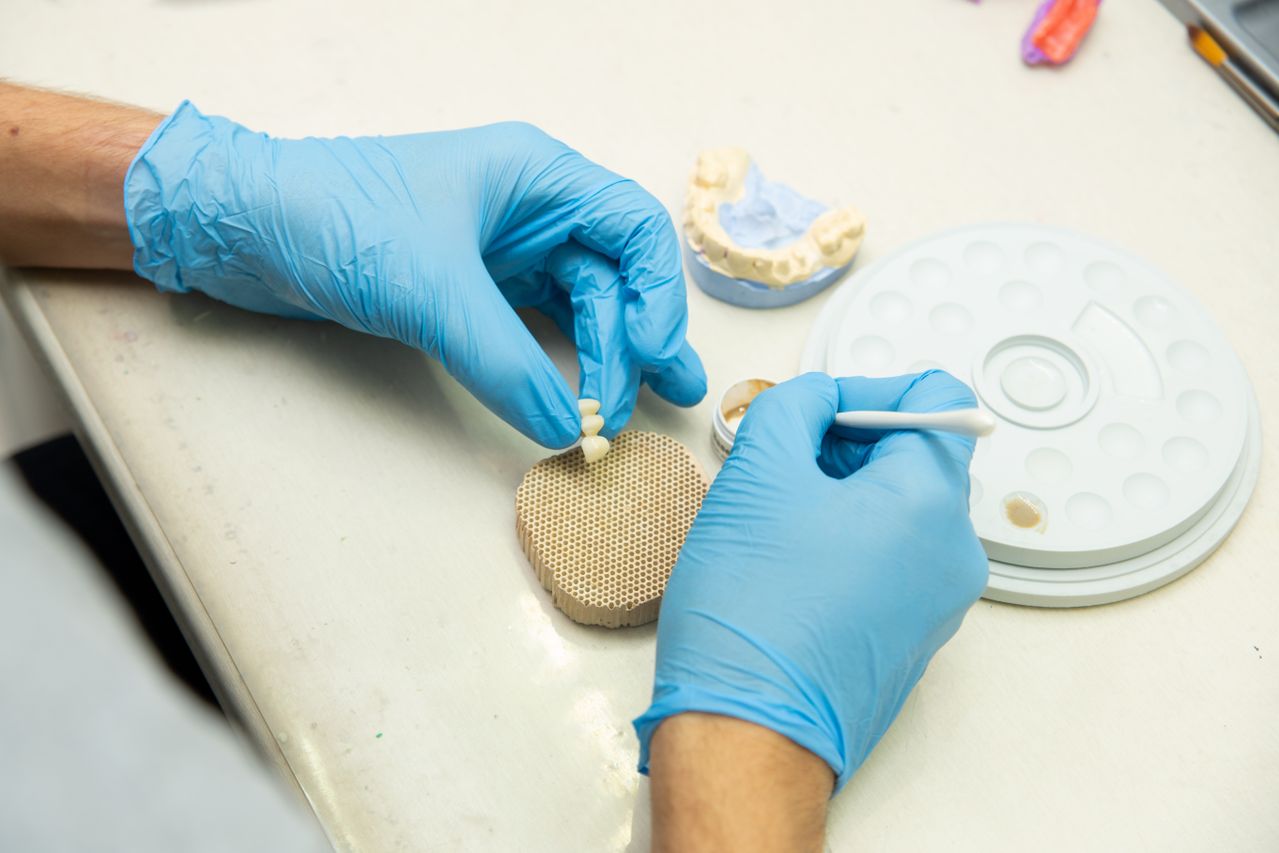
The American Dental Association estimates that the average adult between ages 20-64 has three or more decayed or missing teeth — yet many people delay addressing tooth loss until functional problems become unavoidable. As dental technology advances and bridge materials become more durable and natural-looking, the window for optimal restoration continues to widen. But recognizing the early signs that indicate bridge candidacy often makes the difference between a straightforward solution and a more complex reconstruction down the road. Understanding these indicators, along with what modern bridge treatment actually involves, helps you make informed decisions before minor gaps become major oral health challenges.
How to Recognize When You Need a Dental Bridge
The most obvious indicator is visible tooth loss, but several subtler signs often appear first. Many people notice their bite feels “off” — food gets trapped in new spaces, or they unconsciously avoid chewing on one side of their mouth. Speech changes provide another early warning: certain sounds become harder to pronounce clearly, particularly “s” and “f” sounds that require precise tongue placement against teeth.
Facial changes offer additional clues that dentists recognize immediately. When teeth go missing, the surrounding bone begins to resorb, and adjacent teeth start shifting to fill the gap. This creates a domino effect where your bite alignment gradually changes, potentially affecting your jaw joint and facial symmetry. Some people develop a slight asymmetry in their smile or notice their cheeks appear more sunken on one side.
Functional problems tend to escalate gradually. You might find yourself cutting food into smaller pieces, avoiding certain textures, or experiencing jaw fatigue during meals. These adaptations seem minor initially, but they signal that your remaining teeth are working harder to compensate for the missing ones. Over time, this extra stress can lead to additional dental problems, including cracked teeth, worn enamel, or temporomandibular joint dysfunction.
The psychological impact shouldn’t be underestimated either. Many adults report avoiding social situations where eating or speaking prominently features, or they develop habits like covering their mouth when laughing. These behavioral changes often motivate people to seek treatment even when the functional problems feel manageable.
What Are the Main Types of Dental Bridges and How They Restore Function
Modern dentistry offers four primary bridge designs, each engineered for specific situations and functional needs. Traditional bridges remain the most common solution for single or multiple missing teeth when healthy teeth exist on both sides of the gap. These bridges anchor to crowns placed on adjacent teeth, creating a stable platform that can handle normal chewing forces and restore natural bite patterns.
Cantilever bridges work when only one adjacent tooth is available for support, though they’re typically reserved for areas with lighter bite pressure, such as the front teeth. Maryland bridges use a conservative approach, bonding to the back surfaces of adjacent teeth with minimal tooth preparation, making them popular for younger patients or temporary solutions. Implant-supported bridges represent the premium option, using titanium posts surgically placed in the jawbone to support the restoration without affecting neighboring teeth.
Fixed Bridges Versus Implant-Supported Options
The choice between fixed and implant-supported bridges fundamentally changes how forces distribute throughout your mouth. Traditional fixed bridges transfer chewing pressure through the crowned anchor teeth to the underlying bone, which works well when those anchor teeth are healthy and strong. However, this design means the anchor teeth bear additional load beyond their natural function.
Implant-supported bridges distribute forces directly into the jawbone through the titanium posts, mimicking natural tooth roots. This approach preserves the adjacent teeth entirely while providing superior bone stimulation that helps prevent the gradual bone loss typically associated with missing teeth. The implant option requires adequate bone density and several months for complete integration, but offers the closest approximation to natural tooth function.
Materials Used and Their Role in Durability
Porcelain-fused-to-metal bridges have served as the workhorse restoration for decades, combining metal’s strength with porcelain’s aesthetics. The metal substructure provides exceptional durability for back teeth that endure heavy chewing forces, while the porcelain overlay can be color-matched to existing teeth. However, the metal framework sometimes creates a dark line at the gum edge as gums naturally recede over time.
All-ceramic and zirconia bridges represent the current aesthetic gold standard, offering superior translucency that mimics natural enamel. Zirconia, in particular, provides strength comparable to metal while maintaining excellent biocompatibility. These materials work especially well for front teeth where appearance is paramount, though they require more precise bite adjustment to prevent chipping under extreme forces.
Long-Term Benefits of Dental Bridges on Oral Health and Confidence

Beyond restoring your ability to eat comfortably, bridges provide crucial structural support that prevents a cascade of oral health problems. When teeth go missing, the surrounding teeth gradually shift toward the empty space — a process called mesial drift. This movement can create new gaps, alter your bite alignment, and make cleaning more difficult, potentially leading to gum disease and additional tooth loss.
Preserving facial structure represents one of the most significant long-term advantages. The bone that previously supported your missing tooth begins resorbing immediately after tooth loss, eventually affecting facial height and lip support. Bridges help maintain normal chewing patterns that provide some stimulation to the underlying bone, though not as effectively as implant-supported options.
The confidence factor often surprises people with its impact on daily life. Research consistently shows that adults with complete, functional smiles report higher self-esteem and greater willingness to engage in social and professional situations. Many bridge patients describe feeling “like themselves again” — able to laugh freely, speak clearly in meetings, and enjoy meals without strategic planning around their dental limitations.
Speech improvements typically occur within days of bridge placement. The tongue relies on precise contact with teeth for proper articulation, and bridges restore these contact points, eliminating the whistling or lisping that sometimes develops after tooth loss. For those seeking affordable dental bridge options, modern treatment planning can often accommodate budget constraints while still providing these functional and aesthetic benefits.
What Happens During the Dental Bridge Procedure
The bridge process typically unfolds across two to three appointments spanning several weeks, with each phase serving a specific purpose in creating your final restoration. Understanding this timeline helps set realistic expectations and reduces anxiety about the unknown aspects of treatment.
Initial Steps: Preparation and Impressions
Your first appointment focuses on preparing the anchor teeth and capturing detailed impressions of your mouth. The dentist carefully reshapes the teeth that will support your bridge, removing a small amount of enamel to create space for the crowns. This preparation requires local anesthesia, and the process feels similar to having a filling placed, though it takes longer due to the precision required.
Modern digital scanning has largely replaced traditional putty impressions in many offices, creating highly accurate 3D models of your prepared teeth and surrounding structures. These digital impressions feed directly into computer-aided design software, where your bridge is meticulously planned to match your natural bite patterns and tooth contours. The entire scanning process takes just minutes and eliminates the discomfort some patients experience with impression materials.
Temporary Bridges and Final Placement
A temporary bridge protects your prepared teeth and maintains function while your permanent restoration is being fabricated. These temporaries are typically made from acrylic resin and cemented with temporary cement that allows easy removal. While not as strong as your final bridge, temporaries let you eat normally (avoiding very sticky or hard foods) and maintain your appearance during the fabrication period.
The final placement appointment involves removing the temporary bridge, checking the fit and appearance of your permanent restoration, and making any necessary adjustments. Your dentist will verify that your bite feels natural and comfortable before cementing the bridge permanently. Most patients report that the permanent bridge feels immediately more stable and natural than the temporary version.
How to Care for Your Dental Bridge and Avoid Complications
Daily maintenance for bridges requires slightly modified techniques but shouldn’t feel burdensome once you establish a routine. Regular brushing remains essential, but you’ll need to pay special attention to the areas where the bridge meets your gums. Floss threaders or water flossers work better than traditional floss for cleaning under the bridge, where food particles and bacteria can accumulate.
The most common bridge complications stem from inadequate cleaning rather than structural failure. Decay can develop on the anchor teeth, particularly at the gum line where the crown margins meet natural tooth structure. Gum disease around bridge abutments poses another risk, as the altered contours can create areas that trap plaque if not meticulously cleaned.
Professional maintenance becomes even more critical with bridges. Your dental hygienist has specialized instruments designed to clean around and under bridge work, removing buildup that home care might miss. Most dentists recommend cleanings every four to six months for bridge patients, rather than the standard six-month interval, particularly during the first year after placement when you’re still perfecting your home care routine.
Avoiding destructive habits protects your investment significantly. Ice chewing, pen biting, or using your teeth as tools can fracture porcelain or loosen the cement holding your bridge. Similarly, grinding or clenching at night may require a protective nightguard to prevent excessive wear on both your bridge and natural teeth. With proper care and regular professional maintenance, modern bridges routinely function well for 10-15 years or longer, making them a reliable solution for most adults facing tooth loss.