


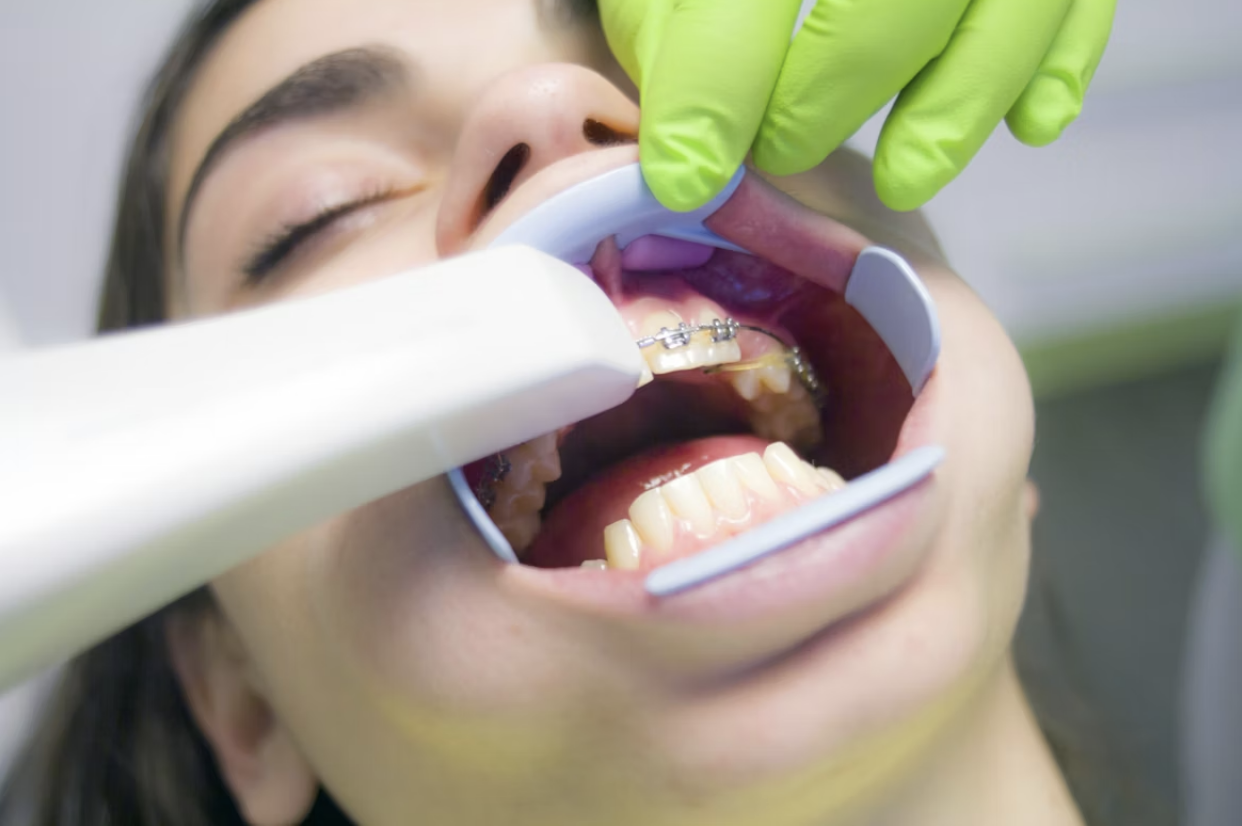
According to the American Association of Orthodontists’ 2023 clinical guidelines, children should receive their first orthodontic evaluation by age seven — yet many families wait until obvious problems emerge, missing critical intervention windows that could prevent complex treatments later. As pediatric dentistry increasingly emphasizes preventive care over reactive treatment, early orthodontic assessment has become a cornerstone of comprehensive pediatric dental care. The stakes are particularly high during the mixed dentition phase, when both primary and permanent teeth coexist, creating unique opportunities to guide jaw development and tooth positioning.
Consider a typical scenario: a six-year-old whose permanent front teeth erupt significantly crowded, pushing against each other at awkward angles. Without early intervention, this crowding often worsens as more permanent teeth emerge, potentially requiring extensive treatment involving extractions and lengthy braces during the teenage years. However, with timely orthodontic guidance during the mixed dentition phase, many of these complex issues can be prevented or significantly simplified through interceptive treatment.
This preventive approach represents a fundamental shift in how dental professionals approach childhood oral health, moving from “wait and see” strategies toward proactive intervention that works with natural growth patterns rather than against them.
Why Early Orthodontic Intervention Matters
The window between ages six and ten represents the most dynamic period in dental development, when the jaw is still growing rapidly and permanent teeth are actively erupting. During this phase, orthodontic appliances can actually guide jaw growth patterns, creating space for incoming teeth and establishing proper bite relationships that would be impossible to achieve once facial growth slows.
Interceptive orthodontics works by addressing problems while they’re still developing, rather than waiting for them to fully manifest. A child with a narrow upper jaw, for example, can benefit from a palatal expander that gradually widens the arch over several months. This same correction attempted in adolescence would require surgical intervention, as the palatal sutures have already fused.
The biological advantage of early treatment lies in the malleable nature of young bone tissue. Children’s jawbones respond more readily to gentle, consistent pressure from orthodontic appliances. Research from the University of Michigan’s orthodontic program demonstrates that interceptive treatment can reduce overall treatment time by an average of 18 months compared to comprehensive treatment started in adolescence.
Perhaps most significantly, early intervention often prevents the psychological impact of severe dental problems during socially sensitive teenage years. A child whose crossbite is corrected at age eight avoids years of potential speech difficulties, jaw joint problems, and the self-consciousness that often accompanies visible dental irregularities during middle and high school.
The key lies in recognizing that not all orthodontic problems require immediate treatment, but all benefit from early evaluation. Some issues, like severe crowding or harmful habits like thumb sucking past age four, demand prompt intervention. Others may be monitored as the child grows, with treatment timed to coincide with optimal growth periods. This strategic approach to timing represents the fundamental value of early orthodontic assessment.
Common Dental Issues and Early Warning Signs in Young Children
Understanding when to seek professional evaluation requires recognizing the subtle indicators that often precede obvious orthodontic problems. Many parents assume dental issues will become apparent through visual inspection, but the most significant problems frequently develop gradually and may not be immediately obvious to untrained eyes.
Recognizing Early Tooth Decay and Cavity Risks
Early tooth decay in children under five often begins in areas parents can’t easily see — between teeth, along the gumline, or in the deep grooves of newly erupted molars. The CDC’s 2024 surveillance data indicates that 23% of children aged two to five have experienced tooth decay, with the highest rates occurring in back teeth where food particles and bacteria accumulate in hard-to-reach spaces.
Baby bottle tooth decay presents one of the most preventable yet common early childhood dental problems. This condition typically affects the upper front teeth of toddlers who fall asleep with bottles containing milk, formula, or juice. The sugars in these liquids pool around the teeth for hours, creating ideal conditions for acid-producing bacteria. Parents often notice the first signs as white or brown spots near the gumline of front teeth, but by this stage, the decay process is already well established.
Equally concerning are the early signs of molar decay in children whose permanent six-year molars have recently erupted. These teeth emerge behind all the primary teeth, often without parents realizing they’re permanent. The deep pits and fissures on these molars trap food particles that even diligent brushing may not remove. Warning signs include complaints of temperature sensitivity when eating hot or cold foods, intermittent pain during chewing, or visible dark spots on the chewing surfaces.
The interconnection between early decay and orthodontic development becomes apparent when primary teeth are lost prematurely due to untreated cavities. These teeth serve as natural space maintainers for permanent teeth. When a primary molar is extracted due to extensive decay, adjacent teeth often drift into the empty space, creating crowding problems that require future orthodontic correction.
How Pediatric Dental Care Supports Overall Child Health
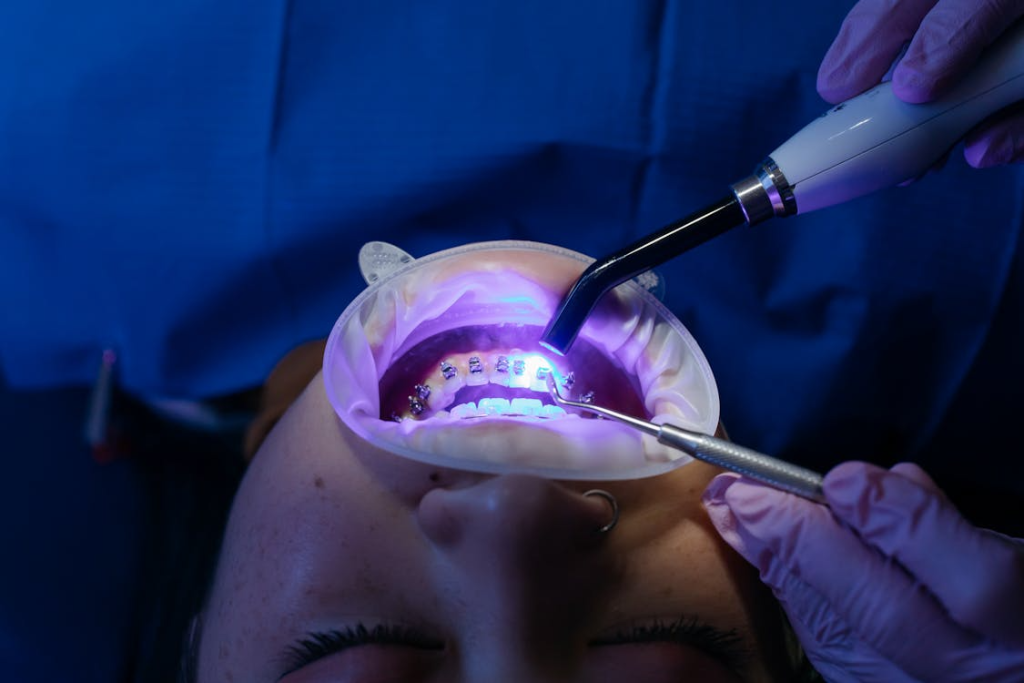
The relationship between oral health and systemic wellness in children extends far beyond the mouth, influencing everything from nutritional absorption to academic performance. When children experience dental pain or have difficulty chewing due to orthodontic problems, their food choices naturally shift toward softer, often less nutritious options that require minimal chewing effort.
Nutritional implications become particularly evident in children with significant malocclusions. A child with a severe overbite may struggle to bite through fresh fruits and vegetables, leading to increased consumption of processed foods that don’t require effective front-tooth function. Similarly, children with posterior crossbites often develop asymmetric chewing patterns, favoring one side of the mouth and potentially impacting proper digestion and jaw muscle development.
The connection between oral health and sleep quality represents another critical but often overlooked aspect of pediatric dental care. Children with narrow palates or posterior crossbites may experience restricted airway development, contributing to mouth breathing, snoring, or even sleep-disordered breathing. These conditions can affect concentration, behavior, and learning capacity during crucial developmental years.
Research from the American Academy of Pediatric Dentistry shows that children with untreated dental problems miss school three times more often than their peers with healthy teeth. Pain from cavities, infections, or orthodontic issues can significantly impact a child’s ability to concentrate on learning activities. The discomfort may be intermittent, making it difficult for parents and teachers to identify the underlying cause of behavioral changes or academic struggles.
Integrating early orthodontic services for children into comprehensive pediatric healthcare creates opportunities to address these interconnected issues proactively. When orthodontic problems are identified and treated early, children maintain better oral function, experience less pain, and develop healthier eating patterns that support overall growth and development. This integrated approach recognizes that oral health forms the foundation for numerous aspects of childhood wellness.
Parents’ Role in Building Positive Dental Habits in Children
The foundation for lifelong oral health begins with parents who understand both the mechanics of effective dental hygiene and the psychology of motivating young children to embrace these practices. Success requires moving beyond simple instruction toward creating systems that make dental care engaging and manageable for developing minds and motor skills.
Educational Methods for Teaching Young Children Dental Hygiene
Effective dental education for young children requires breaking down complex tasks into age-appropriate steps that align with their developing fine motor skills. For children under three, parents should focus on establishing routine and comfort rather than technique perfection. Using a soft-bristled toothbrush with just a smear of fluoride toothpaste, parents can make brushing feel like gentle massage while narrating the process to build familiarity.
The transition to independent brushing typically occurs between ages four and six, but requires ongoing supervision until children develop adequate dexterity — usually around age eight. Visual aids like plaque-disclosing tablets can transform an abstract concept into a concrete game, allowing children to see exactly where their brushing needs improvement. The key lies in presenting these tools as detective games rather than criticism of their current efforts.
Creating positive associations with dental care often succeeds better than focusing on preventing negative outcomes. Rather than emphasizing cavity prevention, parents can frame dental care as “keeping teeth strong for crunching apples” or “making sure teeth sparkle for pictures.” This positive framing helps children understand the immediate benefits of oral hygiene rather than dwelling on distant, abstract consequences.
Managing Dental Anxiety in Pediatric Patients
Dental anxiety in children often stems from unfamiliar sensations, sounds, and environments rather than actual pain. The anticipation of discomfort frequently exceeds the reality of modern pediatric dental procedures, making preparation and expectation-setting crucial components of successful visits.
Familiarization strategies work most effectively when implemented gradually, well before actual treatment becomes necessary. Parents can introduce dental concepts through books, videos, and play activities that normalize dental instruments and procedures. Allowing children to handle clean dental tools during routine cleanings helps demystify the equipment and reduces fear of unfamiliar objects.
The language parents use when discussing dental visits significantly influences children’s emotional responses. Phrases like “It won’t hurt” or “Don’t be scared” inadvertently plant suggestions of pain and fear. More effective approaches involve neutral, factual language: “The dentist will count your teeth and take pictures to see how strong they are.” This descriptive approach provides information without emotional loading.
Timing dental visits strategically can also minimize anxiety-inducing factors. Morning appointments often work better for young children who have more emotional reserves earlier in the day. Avoiding scheduling dental visits immediately after other medical appointments prevents anxiety from one healthcare interaction from spilling into another. The goal is creating an environment where children can approach dental care with curiosity rather than apprehension, establishing positive patterns that will support oral health throughout their lives.
The most successful approach recognizes that building comfort with dental care is a gradual process that requires patience, consistency, and understanding of each child’s unique temperament and developmental stage. When parents approach this process thoughtfully, they create the foundation for children who view dental care as a normal, manageable part of maintaining their health rather than something to be feared or avoided.