


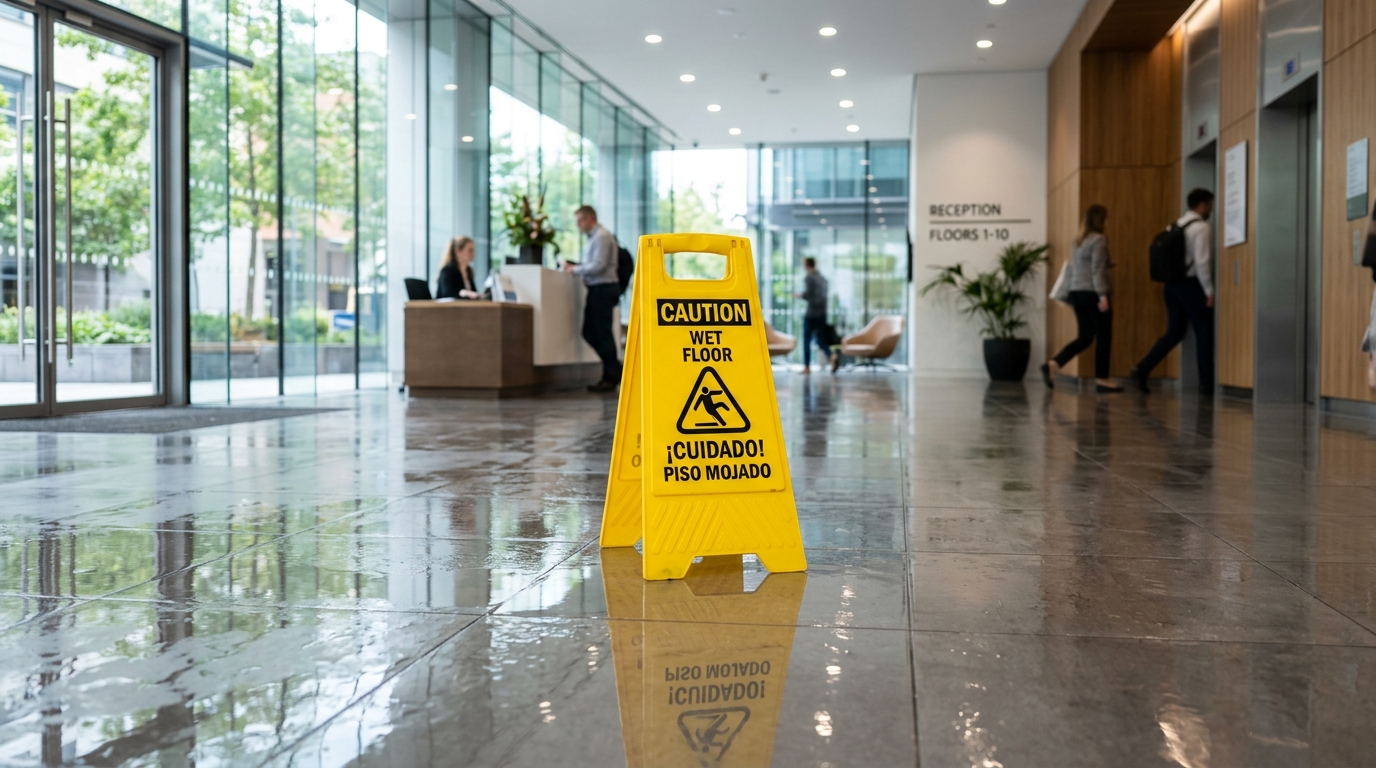
Some property injuries are described as accidents because they happened suddenly. A person slips, trips, falls, or gets hurt, and the property owner may claim there was no way to prevent it.
But many hazards do not appear out of nowhere. They develop over time, get reported, cause near misses, or become obvious to people responsible for the property. When those warnings are ignored, the injury may be the result of negligence rather than bad luck.
The Difference Between a Surprise Hazard and a Known Danger
A surprise hazard is something that appears unexpectedly and gives the property owner little time to respond. For example, a customer might spill a drink seconds before someone else slips.
A known danger is different. It may involve a broken stair, recurring leak, loose handrail, uneven floor, poor lighting, or icy walkway that the owner knew about or should have discovered through reasonable care.
Why Ignored Warnings Matter
Warnings matter because they can show that the injury was foreseeable. If a property owner had reason to know that someone could get hurt, they may have had a duty to repair the condition, block it off, or warn visitors.
Ignored warnings can also change how the case is viewed. Instead of one unexpected incident, the injury may become part of a longer pattern of inaction, delayed maintenance, or careless property management.
Prior Complaints Can Tell the Real Story
One of the strongest signs of an ignored warning is a prior complaint. Tenants, customers, employees, guests, or residents may have reported the same unsafe condition before the injury happened.
Those complaints can show that the property owner was directly alerted to the problem. Emails, text messages, maintenance requests, online reviews, inspection notes, and call logs may all help prove that someone knew about the hazard.
Near Misses Should Not Be Brushed Aside
A near miss happens when someone almost gets hurt but avoids injury. A person may stumble on a broken step, slip but catch themselves, or warn staff that a hallway feels unsafe.
These moments are often treated casually because no one was injured yet. However, near misses can be powerful warning signs that a condition is dangerous and likely to harm someone if left uncorrected.
Temporary Fixes Can Reveal a Bigger Problem
Sometimes a property owner responds to a hazard with a quick patch instead of a real repair. Tape on a torn carpet, a cone near a recurring leak, or a loose board placed over a broken surface may show that the danger was recognized.
A temporary fix is not always unreasonable, but it should not become a permanent substitute for safety. If the same hazard keeps returning, the property owner may need to take stronger action.
Recurring Hazards Are Harder to Excuse
Some hazards happen again and again. A lobby may become slippery every time it rains, a stairwell light may repeatedly go out, or a supermarket aisle may frequently have spills from the same cooler.
When a hazard is recurring, the owner may not be able to argue that the danger was unpredictable. A recurring problem may require better inspections, maintenance, drainage, mats, lighting, staffing, or warning procedures.
What “Notice” Means in a Premises Case
In many premises liability claims, notice is a key issue. Notice means the property owner knew about the danger or should have known about it before the injury occurred.
A person injured by a known or repeated hazard may speak with an NYC premises liability lawyer to understand whether prior complaints, inspection records, or maintenance history can help show that the warning was ignored.
Employee Knowledge Can Count
A business may be responsible for what its employees knew or should have known while working. If employees saw a spill, heard a complaint, walked past a broken mat, or discussed a hazard before the injury, that knowledge may matter.
This is why witness statements and employee testimony can be important. They may reveal that the hazard was visible, reported, or discussed before anyone got seriously hurt.
Maintenance Records May Show Delay
Maintenance records can show whether a property owner responded responsibly after learning about a problem. Work orders, repair logs, inspection forms, vendor invoices, and building reports may reveal how long a hazard existed.
If records show repeated complaints with no meaningful repair, they can support the argument that the injury was preventable. Delayed maintenance often tells a different story than the owner’s first explanation.
Video Footage Can Show How Long the Hazard Existed
Surveillance footage may help answer one of the most important questions: how long the hazard was there. The video may show when a spill occurred, when employees passed by, or whether warning signs were placed.
Because video is often deleted or overwritten quickly, it should be preserved as soon as possible. Once footage is gone, it may be much harder to prove that the hazard was ignored.
Warning Signs Are Not Always Enough
Property owners sometimes place a warning sign and assume that solves the problem. A sign may help in some situations, but it does not automatically make the property safe.
If a hazard is severe, hidden, unavoidable, or left in place too long, a warning may not be enough. The owner may still need to repair the condition, redirect foot traffic, or close off the dangerous area.
When the Owner Blames the Injured Person
After an injury, the property owner or insurer may argue that the hazard was obvious or that the injured person should have been more careful. This is a common response in premises cases.
Ignored warnings can help challenge that argument. If other people complained about the same condition or nearly fell before, it may show that the hazard was genuinely dangerous, not simply something the injured person failed to notice.
The Pattern Behind the Fall
The strongest premises cases often look beyond the moment of injury. They examine what happened days, weeks, or months before: who complained, who inspected, who delayed repairs, and who decided the condition could remain.
When those details are uncovered, the injury may no longer look like a random accident. It may look like the predictable result of warnings that were ignored until someone finally got hurt.
Turning Ignored Warnings Into Accountability
A property hazard may be more than an unfortunate condition. It may be evidence of repeated neglect, poor maintenance, weak inspections, or a failure to take visitor safety seriously.
When a warning was ignored, the focus should be on what the property owner knew and what they failed to do. Proving that history can help injured people pursue accountability for harm that should have been prevented.