


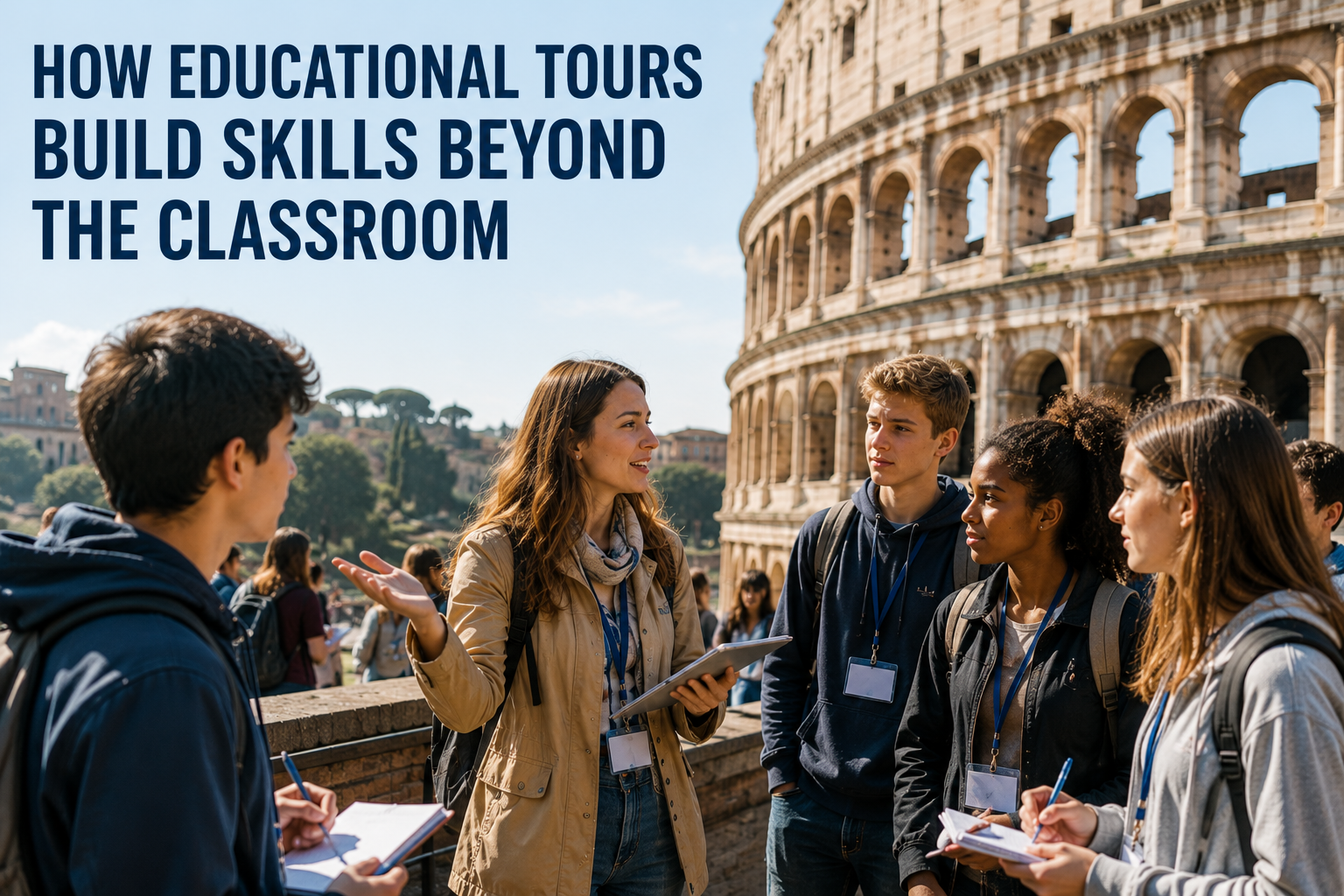
The traditional classroom has long been the cornerstone of education, but learning doesn’t stop when students walk through school doors. Real-world experiences offer unique opportunities to develop abilities that textbooks simply cannot teach. When young people venture beyond familiar walls to explore museums, historical sites, cultural centers, or natural environments, they engage with knowledge in transformative ways that shape their personal and academic growth.
Developing Critical Thinking Through Direct Experience
Observing artifacts, ecosystems, or cultural practices firsthand challenges students to analyze and interpret information independently. Rather than simply memorizing facts from a textbook, learners must make connections between what they see and what they already know. This active engagement strengthens their ability to question, evaluate, and form reasoned conclusions.
When students encounter primary sources or witness scientific phenomena directly, they develop skepticism and curiosity that drives deeper investigation. They learn to distinguish between observation and interpretation, a fundamental skill for academic success and informed citizenship. This analytical mindset becomes a lasting tool they carry into future challenges.
Strengthening Social and Communication Skills
Group travel inherently requires collaboration, negotiation, and interpersonal awareness. Students must navigate shared spaces, coordinate schedules, and respect diverse perspectives within their peer group. These interactions build emotional intelligence and teach the subtle art of working effectively with others.
Communication skills flourish when learners interact with guides, experts, and community members outside their usual social circles. Asking questions, seeking clarification, and engaging in meaningful dialogue with adults and strangers builds confidence and verbal fluency. These encounters teach students that communication is a bridge to understanding and that curiosity is welcomed in the wider world.
Building Cultural Awareness and Empathy
Exposure to different communities, traditions, and ways of life expands students’ understanding of human diversity. When young people step into unfamiliar environments, they confront their own assumptions and develop appreciation for perspectives different from their own. This experience cultivates empathy and reduces prejudice in ways that classroom discussions alone cannot achieve.
Educational Tours provide immersive experiences where students witness how history, geography, and culture intersect in living communities. They see that the world is complex and interconnected, and that their own experience represents just one of many valid ways of living. This awareness becomes increasingly valuable in our globalized society.
Fostering Independence and Confidence
Navigating new environments requires students to make decisions, solve problems, and take responsibility for themselves in unfamiliar contexts. Whether reading maps, managing personal belongings, or adapting to unexpected changes in plans, learners exercise autonomy that builds self-reliance.
The confidence gained from successfully handling novel situations transfers to other areas of life. Students who have managed themselves in challenging circumstances approach academic and personal obstacles with greater resilience. They learn that discomfort is temporary and that they possess the resources to adapt and thrive.
Enhancing Memory and Retention
Educational research consistently shows that experiential learning creates stronger neural connections than passive information absorption. When students engage multiple senses while learning, they form richer memories that last longer and integrate more deeply with existing knowledge.
The emotional component of travel experiences also strengthens retention. Moments of wonder, excitement, or even mild anxiety create memorable anchors that help students recall associated information years later. A historical event becomes more than a date when connected to standing where it occurred or seeing the actual documents involved.
Inspiring Lifelong Learning
Perhaps the most valuable outcome of experiential education is the spark it ignites for continued curiosity. When students discover subjects that genuinely fascinate them through direct encounter, they develop intrinsic motivation that no amount of external pressure can replicate.
These formative experiences often influence career choices, hobbies, and values that shape entire lives. A visit to a science center might inspire a future researcher, while exploring historical sites could awaken a passion for preservation or storytelling. The ripple effects of these moments extend far beyond any single lesson.
Conclusion
The skills developed through hands-on learning experiences complement and enhance traditional education in irreplaceable ways. Critical thinking, social competence, cultural awareness, independence, enhanced memory, and genuine curiosity all flourish when students engage with the world directly. While classrooms provide essential foundations, the lessons learned through exploration and discovery create well-rounded individuals prepared for the complexities of modern life. Investing in these experiential opportunities means investing in capabilities that will serve students throughout their personal and professional journeys, long after specific facts have faded from memory.