


Image from Freepik
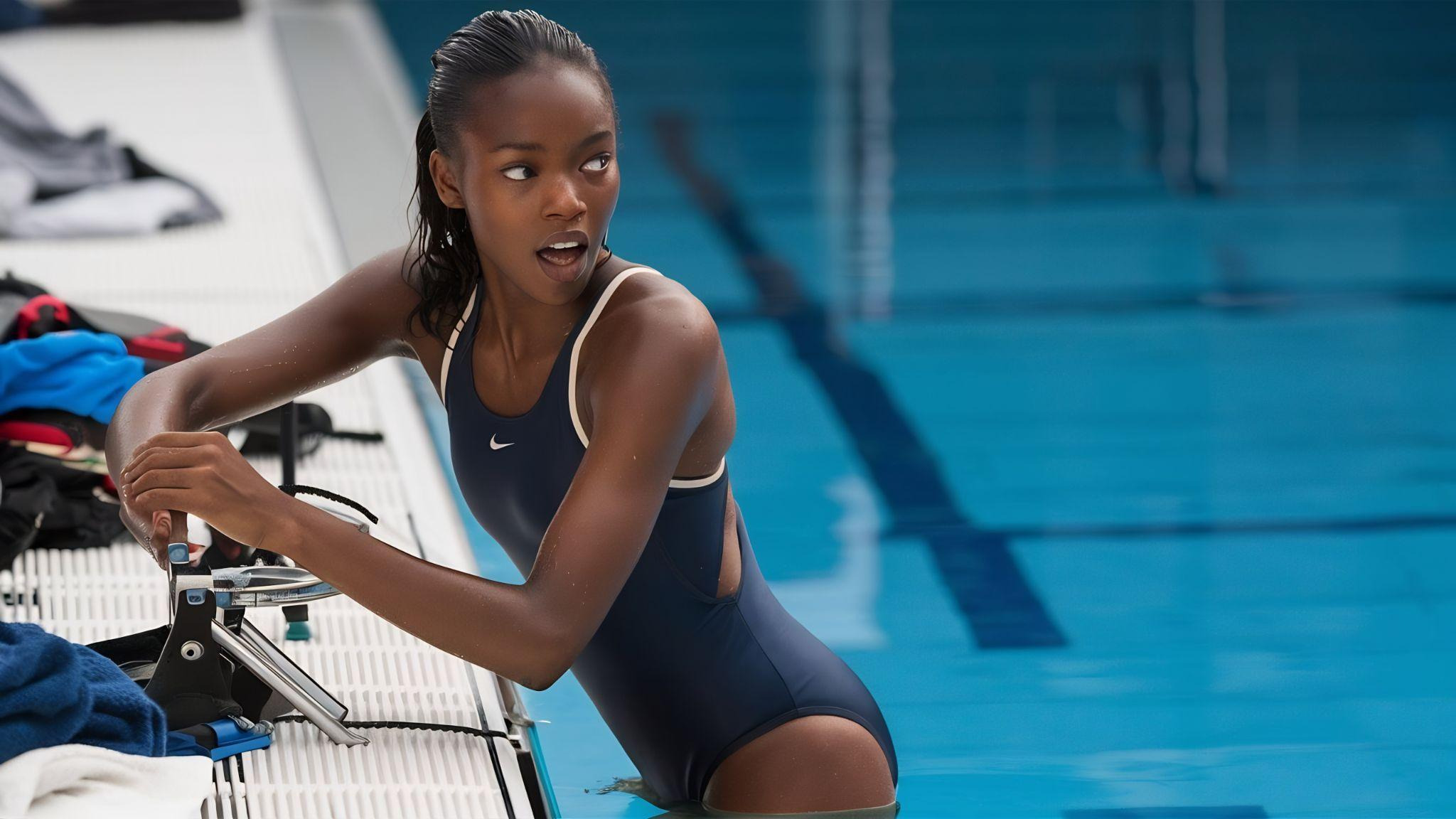
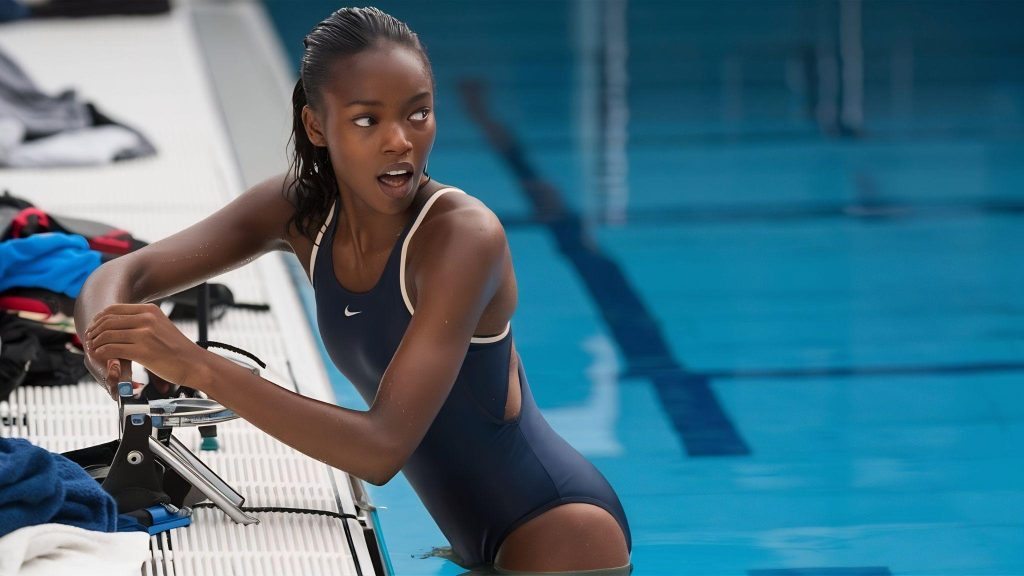
On any given summer morning along America’s coastlines, lakes, and public pools, a quiet shift is underway. More Black women are claiming space in aquatic environments that historically felt unwelcoming or inaccessible. Whether preparing for a dawn surf session, a community swim lesson, or an ocean cleanup, something as simple as choosing a comfortable swimming costume for women can mark the beginning of a deeper relationship with water, confidence, and visibility. What once felt distant or exclusionary is becoming a site of empowerment, athletic excellence, and environmental leadership.
This movement is not about trends or aesthetics alone. It is about presence, representation, and rewriting narratives around who belongs in water sports and ocean advocacy.
Reclaiming Water Spaces With Purpose
For decades, structural barriers limited access to swimming pools, beaches, and water education in many Black communities. The legacy of segregation, combined with underinvestment in public recreational infrastructure, contributed to generational gaps in swim proficiency and participation. Today, Black women are actively reversing that history, not only by entering the water but by leading initiatives that welcome others in.
Surf collectives, swim clubs, and aquatic nonprofits founded or led by Black women are appearing across coastal cities and inland communities alike. These groups often combine athletic training with cultural affirmation, ensuring that participants feel both physically safe and socially supported. The result is not just more swimmers or surfers, but stronger networks that connect wellness, identity, and joy.
Athletic Excellence Beyond Stereotypes
Black women are increasingly visible in competitive and recreational water sports, from long-distance open-water swimming to surfing, paddleboarding, and freediving. Their presence challenges outdated assumptions about who excels in aquatic disciplines.
Athletes and instructors emphasize that performance in water sports requires discipline, technique, and trust in one’s body. As more Black women take on coaching and mentorship roles, younger participants see firsthand that these sports are not reserved for a narrow demographic. Representation becomes a catalyst, turning curiosity into commitment.
This visibility also reshapes how water sports are discussed in mainstream media. Stories now focus less on novelty and more on skill, preparation, and achievement, reflecting a broader understanding of athletic diversity.
Water as Wellness and Healing
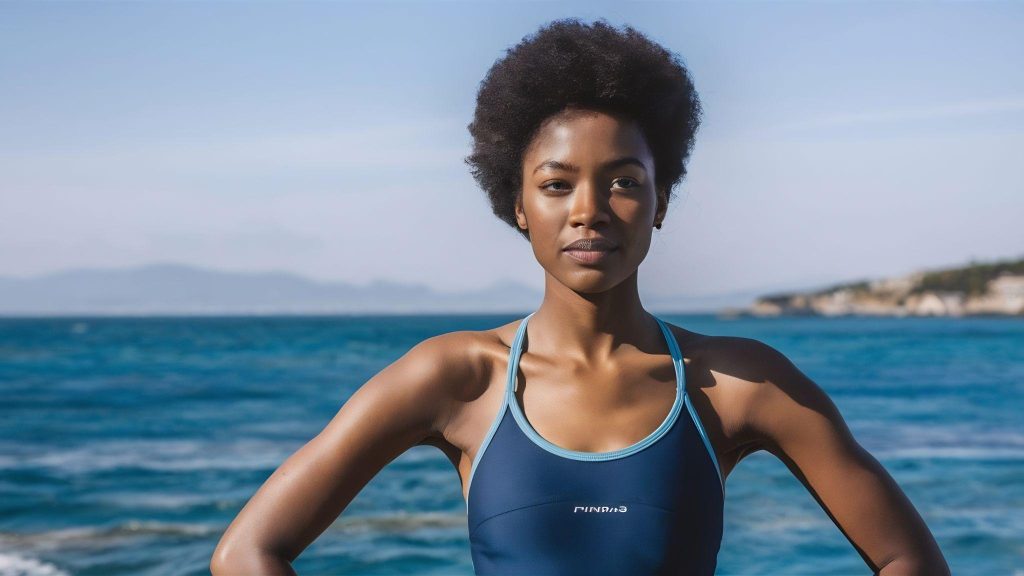
Beyond competition, water has become a powerful tool for mental and physical well-being. Many Black women describe swimming and ocean activities as spaces of restoration, offering relief from daily stress and a reconnection with the body. The rhythmic nature of swimming, the grounding force of waves, and the meditative quality of floating create moments of calm that extend beyond the shoreline.
Health experts consistently note the benefits of swimming as a low-impact, full-body exercise that supports cardiovascular health and joint mobility. According to guidance from the Centers for Disease Control and Prevention, swimming can improve overall fitness while reducing the risk of chronic conditions, making it an accessible form of exercise across age groups and ability levels. When Black women engage with water on their own terms, wellness becomes both personal and communal.
Advocacy Beneath the Surface
As participation grows, so does advocacy. Many Black women involved in water sports are also deeply engaged in ocean conservation and environmental justice. They recognize that access to clean, safe water is inseparable from broader conversations about equity and sustainability.
From organizing beach cleanups to speaking on panels about climate impact on coastal communities, these advocates bring lived experience into environmental discourse. Their work highlights how pollution, climate change, and neglect disproportionately affect marginalized neighborhoods, often limiting access to safe swimming environments.
By linking water recreation with stewardship, Black women are helping redefine environmentalism as inclusive, community-centered, and action-oriented.
Education as a Pathway Forward
Education remains a cornerstone of this movement. Swim instruction programs tailored to Black communities focus not only on technique but on dismantling fear and rebuilding trust in water. Many initiatives are family-centered, encouraging parents and children to learn together and break cycles of avoidance rooted in historical exclusion.
These programs often partner with schools, community centers, and local governments to expand reach and affordability. The long-term goal is not just skill acquisition but cultural change, where swimming becomes a normalized and celebrated activity across generations.
Media, Visibility, and Cultural Shift
Social media has played a significant role in amplifying these stories. Images of Black women surfing at sunrise, teaching swim lessons, or leading environmental actions challenge narrow visual narratives and inspire others to imagine themselves in similar spaces.
Visibility matters because it reshapes expectations. When young girls see women who look like them thriving in water sports, the idea of belonging feels natural rather than aspirational. This cultural shift extends beyond beaches and pools, influencing how wellness, recreation, and leadership are understood within the community.
The growing presence of Black women in water sports and ocean advocacy signals more than increased participation. It reflects a broader reclaiming of space, health, and voice. Each lesson taught, wave ridden, and shoreline protected contributes to a future where access to water is not defined by history’s limitations but by collective intention.
As this movement continues to gain momentum, it offers a powerful reminder that inclusion is not passive. It is built through action, education, and the courage to step into spaces once considered off-limits. In doing so, Black women are not only making waves on the surface, but reshaping the cultural currents beneath.