


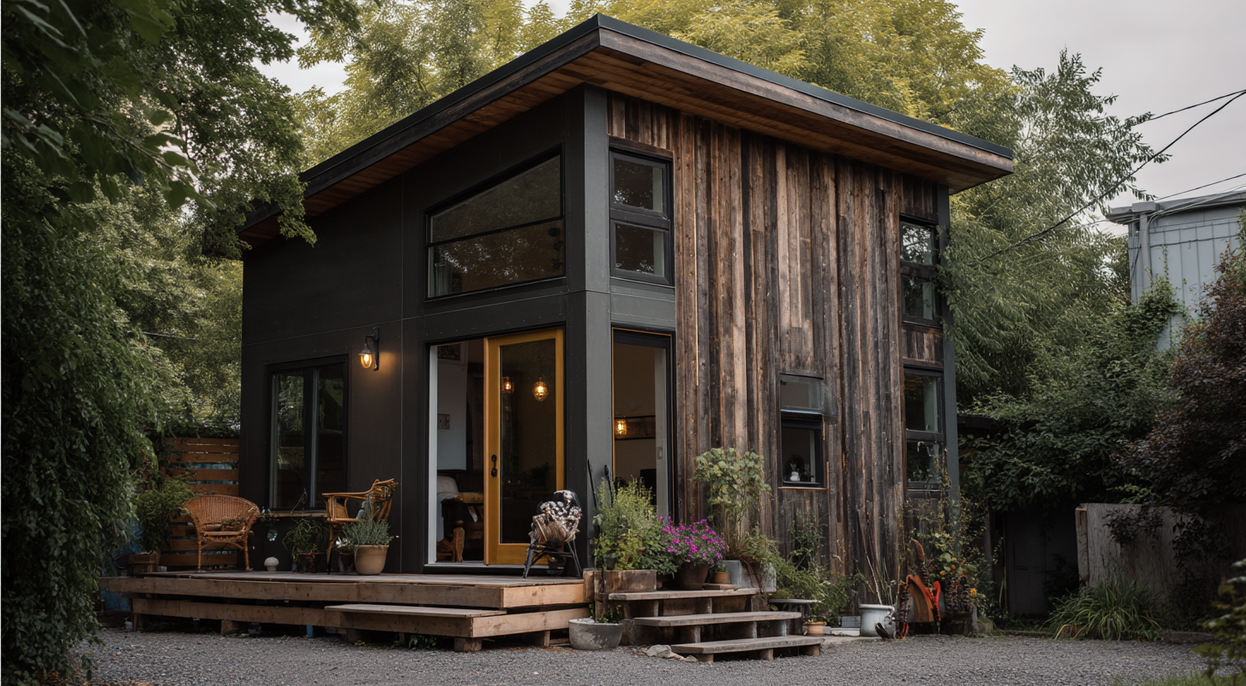
Small houses have become an attractive option for homeowners, buyers, and families who want more affordable, efficient, and flexible living space. With rising housing costs, higher construction prices, and growing demand for practical housing solutions, many people are asking the same question: how much does it cost to build a small house?
The answer depends on more than square footage. A small house usually costs less overall than a larger home, but the cost per square foot can still be high. That is because many major expenses, such as permits, utilities, foundation work, bathrooms, kitchens, engineering, and site preparation, do not shrink just because the house is smaller.
Before starting a project, it helps to understand the main cost factors, what counts as a small house, and when an ADU may be a more practical alternative.
How Much Does It Cost to Build a Small House in 2026?
In 2026, the cost to build a small house can vary widely depending on location, size, design, materials, labor, and site conditions. A simple small home in a lower-cost area may be far more affordable than a custom small home in a high-cost market like California or other major metro areas.
The broad reality is this: smaller homes often reduce total project cost, but they do not always reduce complexity. A 700-square-foot house still needs a kitchen, bathroom, electrical system, plumbing, heating and cooling, insulation, windows, roofing, permits, inspections, and utility connections.
That is why homeowners should not estimate a small house by square footage alone. The final price depends on what has to be built, where it is being built, and how much work the land requires before construction can even begin.
Why Cost Per Square Foot Can Be Higher for Small Homes
Many people assume a small house should be cheap because it uses less material. While that can be true in some areas, small homes often have a higher cost per square foot than larger homes.
The reason is simple: fixed costs are spread across fewer square feet. A bathroom, kitchen, water line, sewer connection, electrical panel, foundation, roof, and permit package may be required, whether the home is 700 square feet or 2,000 square feet.
For example, a small house still needs professional plans, structural details, energy compliance, inspections, and utility hookups. These costs do not disappear because the house is compact. In some cases, building small requires smarter design, which can increase planning and labor costs.
What Counts as a Small House?
A small house is usually a permanent residential structure that is smaller than a traditional single-family home. It may be 400 to 1,200 square feet, depending on the market and how people define “small.”
However, small houses are often confused with tiny homes, ADUs, prefab homes, and modular units. These options may overlap, but they are not always the same.
Small House vs. Tiny Home
A small house is typically built on a permanent foundation and follows local residential building codes. It is meant to function as a long-term residence.
A tiny home may be built on a foundation, but many are built on wheels. Tiny homes on wheels may fall under different rules than permanent homes, and not every city allows them as full-time residences. Financing, zoning, utility access, and insurance can also be different.
The key difference is that a small house is usually treated like a permanent home, while a tiny home may be treated differently depending on how it is built and where it is placed.
Small House vs. ADU
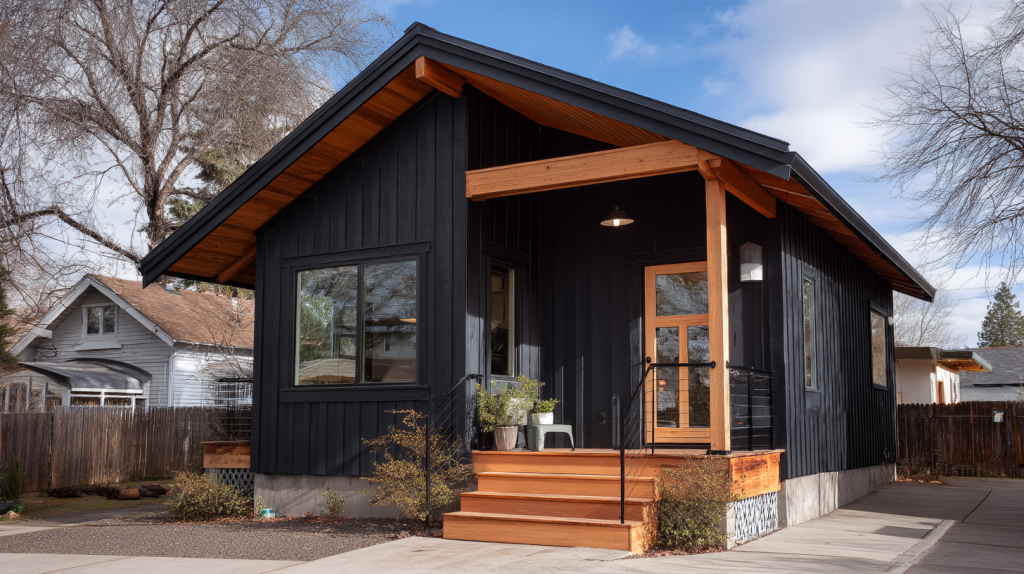
An ADU, or accessory dwelling unit, is a secondary living unit built on the same property as an existing primary home. It may be detached, attached, built above a garage, converted from a garage, or created inside the main house.
ADUs are often similar in size to small houses, but they are not standalone properties. They use an existing residential lot, which can make them appealing for homeowners who already own property and want to add flexible living space.
Small House vs. Prefab or Modular Unit
Prefab and modular homes are built partly or mostly off-site, then delivered or assembled on the property. These options can sometimes reduce construction timelines and labor challenges.
However, prefab does not mean no site work. Homeowners still need land, foundation, utility connections, permits, inspections, delivery access, and local code compliance. The unit itself may be only one part of the total project cost.
Main Cost Factors When Building a Small House
The cost to build a small house is shaped by both visible and hidden expenses. The structure itself matters, but so does everything required to make the home legal, safe, livable, and connected to utilities.
Land and Site Preparation
If you do not already own land, the cost of the lot can be one of the biggest expenses. Even if you already own property, the site may need preparation before construction begins.
Site preparation may include grading, clearing, tree removal, drainage improvements, driveway access, demolition, soil work, erosion control, and staging space for construction. Sloped lots, tight urban lots, poor soil, or limited access can increase costs quickly.
Foundation and Structural Work
The foundation is another major cost factor. A simple slab foundation may be more affordable than a raised foundation or crawlspace, but the right choice depends on soil conditions, drainage, code requirements, and design.
Structural complexity also matters. A simple rectangular home is usually more cost-effective than a custom design with complex rooflines, cantilevers, large openings, or unusual layouts.
Utilities and Connections
Utility work is one of the most commonly underestimated costs. A small house may need water, sewer or septic, electrical, gas, internet, and drainage connections.
If utilities are far from the build site, trenching and connection costs can rise. If the electrical panel needs upgrading, or the sewer line needs improvement, the budget can change significantly.
Materials and Finishes
Materials affect both cost and long-term performance. Flooring, cabinets, countertops, windows, roofing, siding, insulation, appliances, fixtures, doors, and hardware all influence the final price.
A small house with simple finishes can stay more budget-friendly. A small house with premium windows, custom cabinets, high-end tile, built-ins, and specialty materials can become expensive quickly.
Labor Costs by Region
Labor costs vary heavily by location. Building in a high-demand market can be much more expensive than building in a rural or lower-cost area. Contractor availability, local wage rates, permitting timelines, and project complexity all affect labor pricing.
In states with strict energy codes, seismic requirements, wildfire rules, or complex permitting, construction costs may be higher.
Soft Costs Homeowners Often Forget
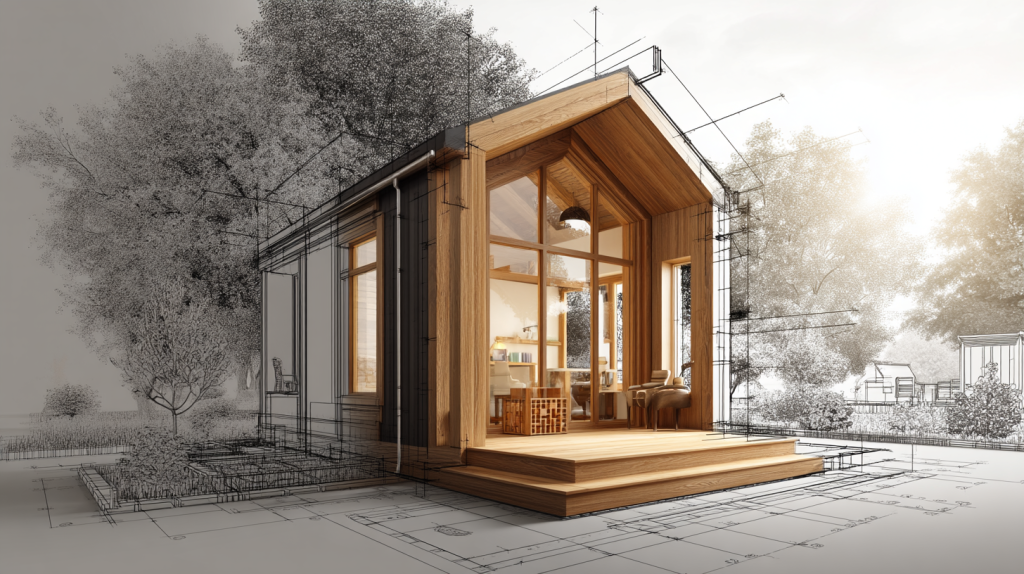
Hard costs include labor and materials. Soft costs include the professional services, permits, reviews, and fees needed to get the project approved and completed.
These costs are easy to overlook, but they can represent a significant part of the budget.
Design and Planning Fees
Small houses still need thoughtful design. Homeowners may need architectural plans, drafting, site plans, floor plans, elevations, structural details, and energy calculations.
Good planning helps prevent costly mistakes. A well-designed small home uses every square foot efficiently and avoids awkward layouts, wasted space, and expensive changes during construction.
Engineering and Permit Requirements
Many small homes require structural engineering, code compliance, plan review, and city or county approval. This is especially true in areas with seismic, soil, slope, fire, or energy requirements.
Because design, engineering, and permitting can significantly affect the final budget, many California homeowners work with professionals such as Golden State Design and Engineering to understand site feasibility, structural requirements, and plan preparation before construction begins.
Inspections, Fees, and Utility Charges
Permits are not the only government-related cost. Homeowners may also encounter plan check fees, inspection fees, impact fees, school fees, utility connection charges, and other local requirements.
These fees vary by city and county, so they should be reviewed early in the planning process.
How Location Changes the Cost to Build a Small House
The same small house can cost very different amounts depending on where it is built. Location affects land price, labor rates, code requirements, material availability, permit timelines, and site conditions.
Urban projects may have higher labor costs, tighter access, stricter design rules, and more complicated permitting. Rural projects may have cheaper land but higher costs for utilities, septic systems, wells, roads, and delivery access.
California is a good example of a market where small-house construction can be more expensive because of labor costs, energy standards, permitting requirements, seismic considerations, and overall housing demand. That does not mean building small is not worthwhile. It simply means the budget needs to be realistic from the beginning.
Is an ADU a More Practical Alternative to Building a Small House?
For homeowners who already own property, an ADU may be a practical alternative to building a separate small house on a new lot.
An ADU can provide a compact living space without requiring the purchase of separate land. It can be used for family, guests, rental income, caregivers, or future downsizing. In many cases, an ADU offers the same lifestyle benefits people want from a small house while using an existing residential property.
That said, ADUs still require planning, permits, design, utility work, inspections, and construction. They are not automatically inexpensive, but they may be more realistic than buying land and building a separate small home from scratch.
For homeowners comparing small-house construction with backyard living options in California, Golden State ADUs can be a helpful resource for understanding how ADU design, permitting, and construction fit into a long-term housing plan.
Budgeting Tips Before You Build
The best way to control the cost of building a small house is to plan carefully before construction begins.
Start with a realistic scope. Decide how many square feet you need, how many bedrooms and bathrooms are required, what layout makes sense, and which features are truly necessary.
Get site feasibility checked early. Slope, soil, setbacks, utilities, drainage, access, trees, and local rules can dramatically affect cost. A project that looks simple on paper may become expensive if the site has major constraints.
Separate must-haves from nice-to-haves. Custom storage, high-end finishes, specialty windows, premium siding, outdoor living areas, and complex rooflines can all raise the budget.
Finally, include a contingency. Construction projects often involve unexpected costs, permit comments, material changes, delays, or site surprises. A contingency helps protect the project from becoming financially stressful.
Common Mistakes That Make Small Houses More Expensive
One of the biggest mistakes is assuming smaller always means cheap. A smaller structure can reduce some costs, but fixed expenses still remain.
Another common mistake is underestimating site work and utilities. Trenching, drainage, sewer connections, electrical upgrades, foundation preparation, and access improvements can add significant costs.
Skipping professional planning can also lead to problems. Incomplete plans, poor feasibility review, or unclear project scope can result in redesigns, delays, and change orders.
Homeowners should also be careful with custom features. A small home can become expensive quickly if the design includes complex architecture, premium finishes, or highly customized details without a clear budget.
Final Thoughts: The True Cost Depends on More Than Size
So, how much does it cost to build a small house? The answer depends on location, land, design, permits, utilities, site conditions, labor, materials, and the level of customization.
A small house can be a smart and efficient housing option, but it should not be planned with rough assumptions alone. The real cost comes from the full project, not just the square footage.
Before building, homeowners should compare all options, including small homes, ADUs, prefab units, modular homes, and remodels. The best way to control cost is to start with clear goals, realistic budgeting, professional planning, and early feasibility review. When those pieces are in place, a small house can become a practical, long-term housing solution rather than a costly surprise.