


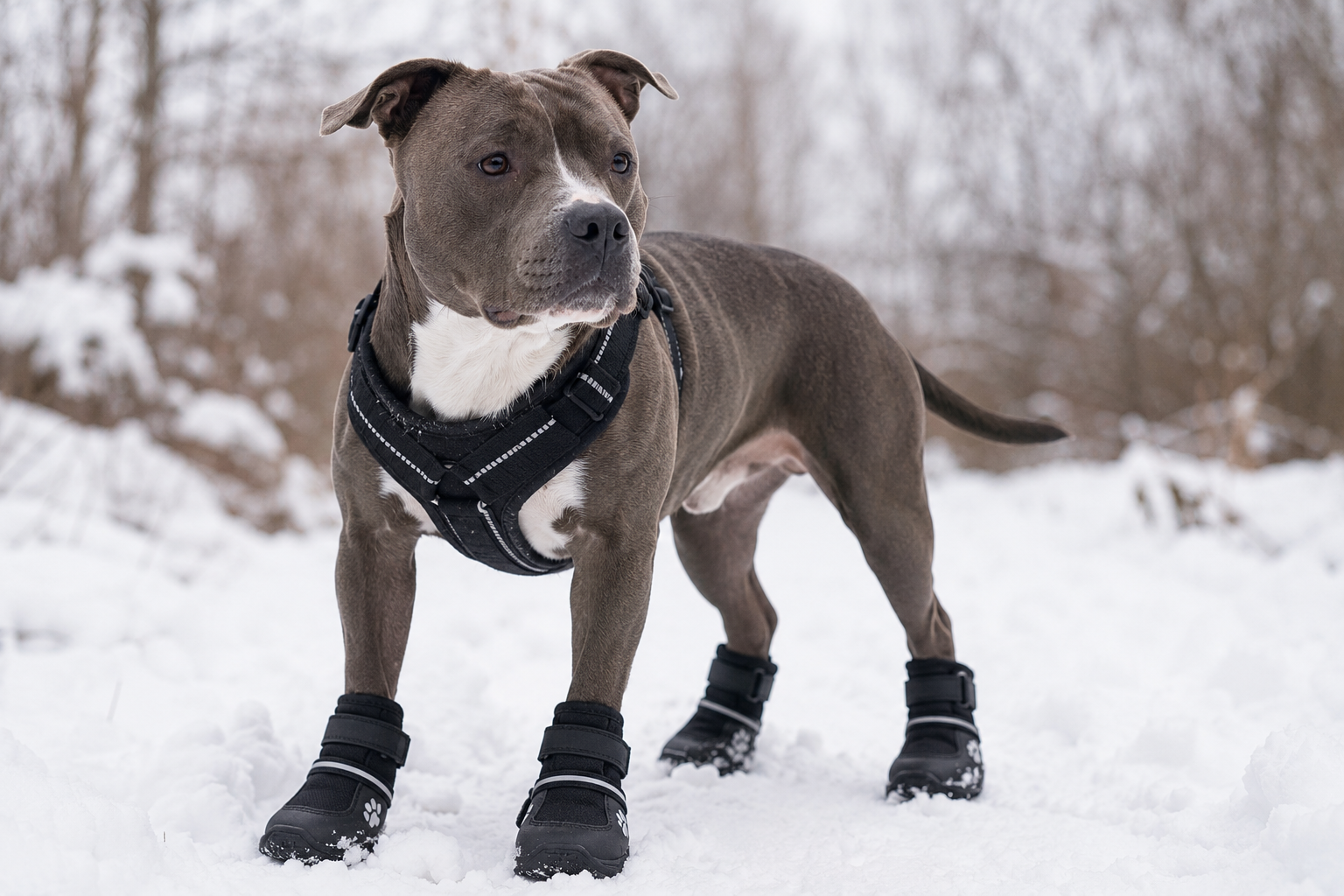
Winter weather creates real challenges for dog owners who love keeping their pets active outdoors. Snow, ice, and freezing temperatures can lead to discomfort, frostbite, and painful paw injuries. Boots built for winter conditions shield paws from these hazards while letting dogs enjoy their outdoor time safely. Choosing the right pair means knowing what separates effective cold-weather footwear from options that simply fall short. This guide breaks down the essential features that matter most when shopping for winter dog boots.
Insulation and Thermal Protection
Good insulation ranks as the most important feature in any winter dog boot. Cold surfaces pull heat away from paw pads quickly, causing discomfort and risking tissue damage. Reliable boots include materials such as fleece lining, thermal foam, or synthetic insulation layers. These components hold body heat inside while blocking external cold from reaching the paw.
Thickness plays a role, but bulk should never sacrifice flexibility. Dogs rely on feeling the ground beneath them to walk with confidence. The best designs strike a balance between warmth and a slim profile that permits natural movement. Pet owners searching for winter-ready dog boots for snow and ice should look for products listing their temperature rating or insulation type. This detail helps match the boot to specific climate conditions and how active a dog tends to be.
Waterproof Construction
Exposure to snow means exposure to moisture. Wet paws combined with freezing temperatures create perfect conditions for frostbite and cracked pads. Effective winter boots use waterproof outer shells crafted from materials like neoprene, rubber, or coated nylon. Seams need waterproof treatment or welded construction to block seepage.
Water resistance is not the same as true waterproofing. A water-resistant boot might handle light snow but fail during longer play sessions or walks through slushy streets. Reading product specifications for waterproof ratings helps confirm adequate protection. The boot opening should also fit snugly around the leg, preventing snow from sneaking in through the top.
Traction and Grip Quality
Sole Design
Icy surfaces pose fall risks for dogs just as they do for people. Winter boots require soles with aggressive tread patterns that grab frozen ground. Rubber compounds engineered for cold temperatures stay flexible and grip better than standard materials, which tend to harden and turn slick.
Deep grooves paired with multi-directional tread patterns push away snow and slush. This self-cleaning action stops ice from building up and reducing grip. Some boots add extra stability features like embedded studs or textured grip zones.
Material Flexibility
Sole materials that stay pliable in sub-zero conditions outperform rigid alternatives significantly. Thermoplastic rubber and specialized cold-weather compounds resist hardening even in extreme cold. Thin plastic soles should be avoided entirely; they often crack or lose traction when temperatures drop.
Secure Fit and Adjustability
Boots that slide off during activity offer zero protection. A secure fastening system keeps footwear in place through running, jumping, and digging in the snow. Velcro straps, adjustable toggles, and elastic closures each bring different strengths. Multiple adjustment points allow fine-tuning for various paw shapes and leg widths.
Accurate sizing requires measuring paw width at the widest point. Many brands provide sizing charts based on weight ranges, but direct measurement produces better results. Boots should fit snugly without cutting off circulation or causing visible discomfort. A short indoor trial helps dogs adjust before venturing outside.
Durability and Construction Quality
Winter conditions push boot durability through repeated exposure to moisture, salt, ice, and rough terrain. Reinforced toe caps guard against abrasion from pavement and ice chunks. Double-stitched seams hold together under stress. Quality materials keep their protective properties across multiple seasons of regular use.
Reading reviews focused on long-term performance reveals how boots actually hold up over time. Initial comfort counts for little if boots start falling apart after a few weeks. Spending more on well-constructed footwear usually proves more economical than replacing cheaper pairs repeatedly.
Ease of Use
Complicated boot designs frustrate owners and stress out dogs. Quick-on closures speed up the process, especially with impatient pets. Wide openings let paws slide in without excessive tugging or manipulation. Reflective elements add visibility during low-light winter walks, providing a safety bonus beyond basic paw protection.
Conclusion
Finding the right winter dog boots comes down to evaluating insulation, waterproofing, traction, fit, and durability. Each factor contributes to how well footwear performs in cold, snowy conditions. Quality boots protect paws from frostbite, ice damage, and irritants like road salt. Taking time to find a properly fitted pair with proven cold-weather performance keeps dogs comfortable and safe all winter long. The right footwear turns harsh outdoor conditions into opportunities for healthy exercise and genuine enjoyment.