


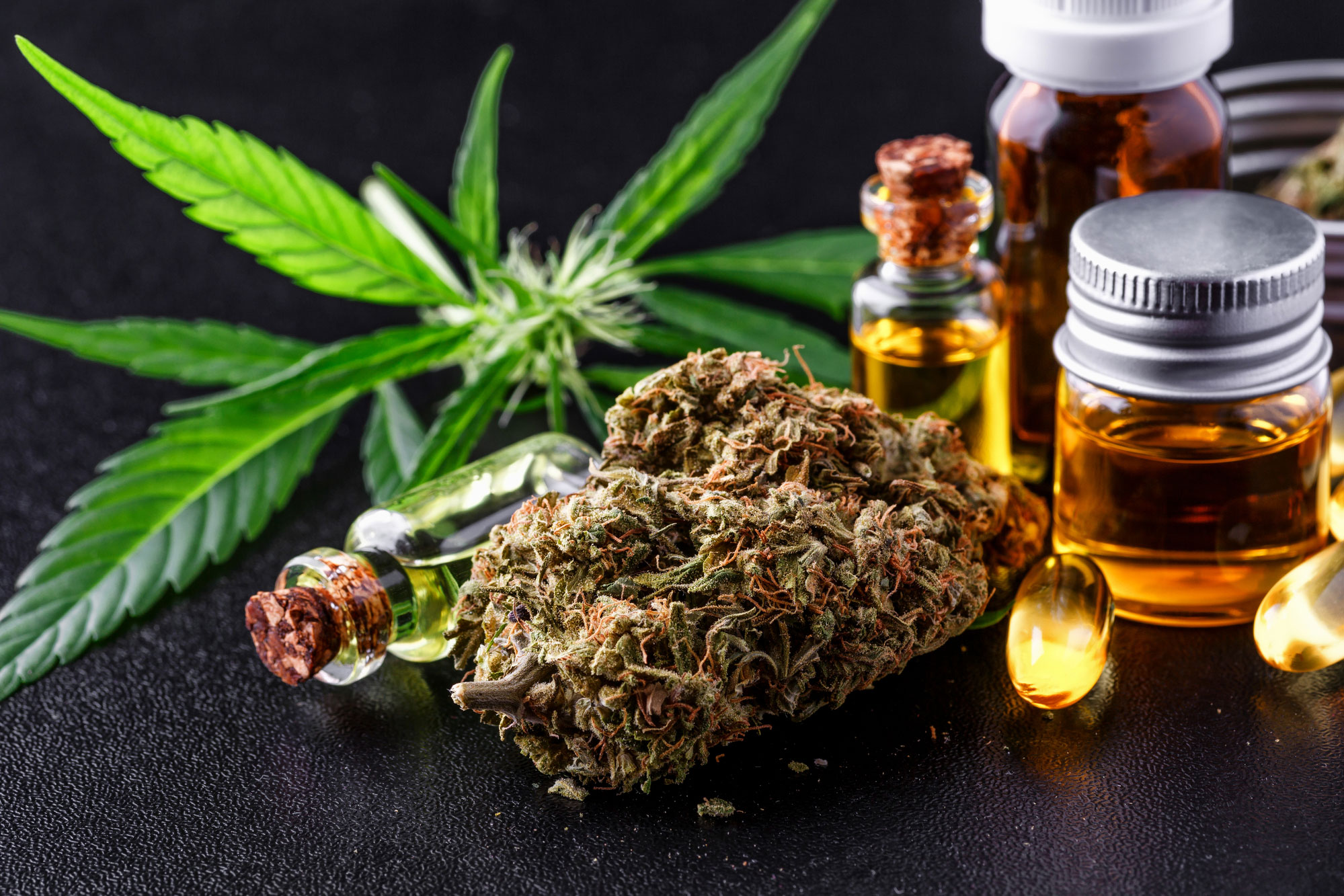
A few years ago, the answer would have been simple. Cannabis meant flower, maybe hash, and that was it. Today, things look very different. If you walk into a modern dispensary, you’ll see shelves filled with products that don’t even resemble the traditional image—colorful gummies, sleek vape pens, oils, capsules, even skincare.
So it’s completely fair to ask: what are the most popular kinds of cannabis products right now, not in theory, but in real life?
What’s interesting is that this shift didn’t happen by accident. Retailers now rely on data, not guesswork. Tools like dispensary software help track what people actually buy, what they come back for, and what quietly disappears from shelves. That’s why today’s product mix feels much more intentional—it reflects habits, not hype.
To understand what’s really popular, we need to start with the basics: what counts as a cannabis product, and how this market is organized.
Understanding the Modern Cannabis Landscape
The biggest change in cannabis isn’t just legal status—it’s how people use it.
For a growing number of consumers, cannabis isn’t an occasional thing anymore. It’s part of a routine. Someone might use a low-dose edible to unwind in the evening, or a vape during a walk, the same way others might have a glass of wine or a cup of tea.
That shift has pushed the industry to think differently. Instead of selling a single type of experience, brands now design products around specific situations: sleep, relaxation, focus, recovery.
Legal markets also changed expectations. People want clarity—how strong a product is, how long it lasts, how it will feel. Labels matter now. Consistency matters even more.
There’s also a noticeable change in tone. Cannabis isn’t marketed the same way it used to be. It’s often positioned alongside wellness products, which explains why formats like chocolates, drinks, or creams feel so natural in today’s lineup.
All of this has created a market where variety isn’t just wide—it’s purposeful.
What Is a Cannabis Product? Definition and Main Categories
If we strip it down, a basic cannabis product definition is straightforward: any product made using compounds from the cannabis plant, usually THC or CBD, intended for use by a person.
But that definition doesn’t really tell you how different these products can feel.
That’s where the idea of a cannabis category becomes useful. Categories group products based on how you use them and what kind of experience they deliver.
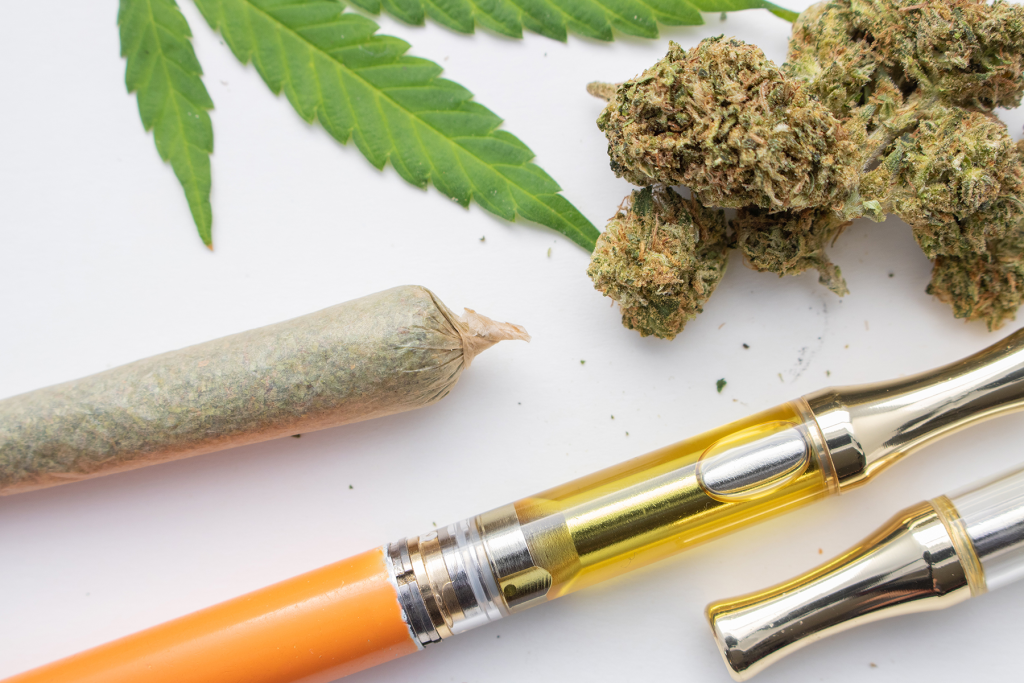
Most products fall into a few familiar groups:
- Flower — the dried buds people have used for decades
- Edibles — anything you eat or drink with cannabis infused
- Concentrates — stronger extracts like wax or oil
- Vapes — devices designed for inhaling cannabis in a cleaner, simpler way
- Topicals — creams or balms applied to the skin
Each one works differently. Flower acts fast and feels familiar. Edibles take their time but stay with you longer. Vapes are quick and convenient, which explains why they’ve grown so quickly.
What’s changed is how people use these categories. It’s no longer about choosing one and sticking with it. The same person might use different formats depending on the day, the mood, or even the time available.
That flexibility is a big reason the market keeps expanding.
The Most Popular Cannabis Categories in Today’s Market
When people talk about the most popular kinds of cannabis products, they’re really talking about a mix of comfort and convenience.
Flower is still everywhere. It hasn’t disappeared, and it probably won’t. For many, it’s familiar, affordable, and easy to understand.
But newer formats are catching up fast.
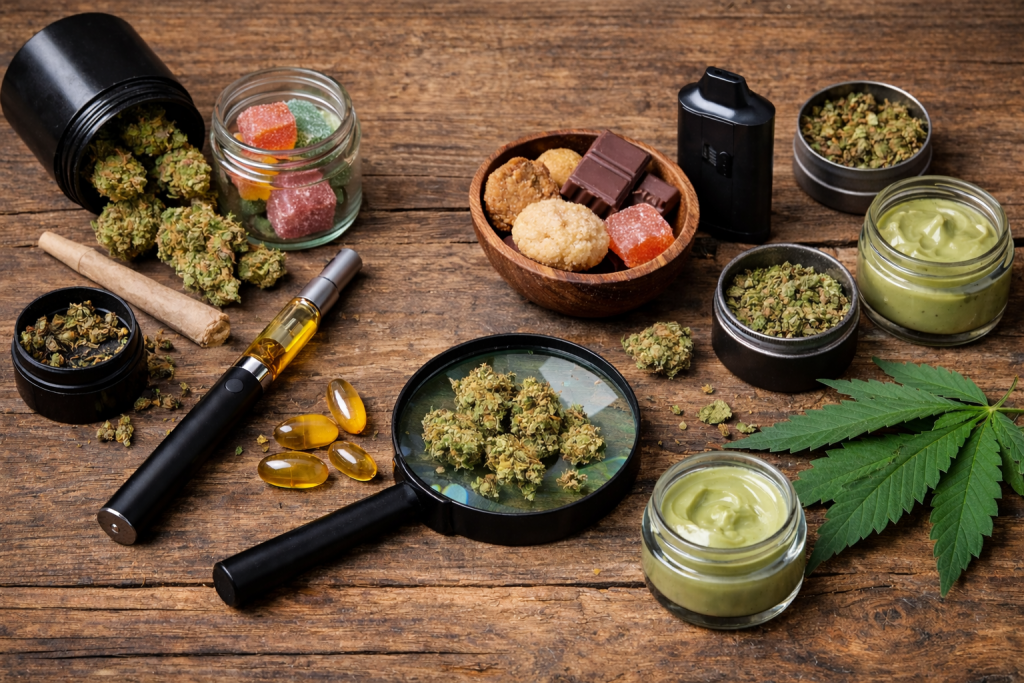
Edibles—especially gummies—have become a default choice for a lot of people. They’re simple, predictable, and don’t require any setup. Vape products are just as common, mostly because they’re easy to carry and use almost anywhere without much attention.
Concentrates sit in a slightly different space. They’re not for everyone, but among experienced users, they’re a regular part of the rotation. Topicals, on the other hand, attract a different audience altogether—people who aren’t looking for a high at all.
Here’s how these categories compare in practice:
| Category | How People Use It | What to Expect | Popularity |
| Flower | Smoked or vaporized | Fast, familiar | High |
| Edibles | Eaten | Slow but long-lasting | High |
| Vapes | Inhaled | Quick and controlled | High |
| Concentrates | Dabbed or vaporized | Strong, intense | Medium |
| Topicals | Applied to skin | Local effect | Growing |
The takeaway here isn’t that one category is better than another. It’s that people are choosing based on context. Convenience, timing, and comfort often matter more than anything else.
Top-Selling Products in Dispensaries
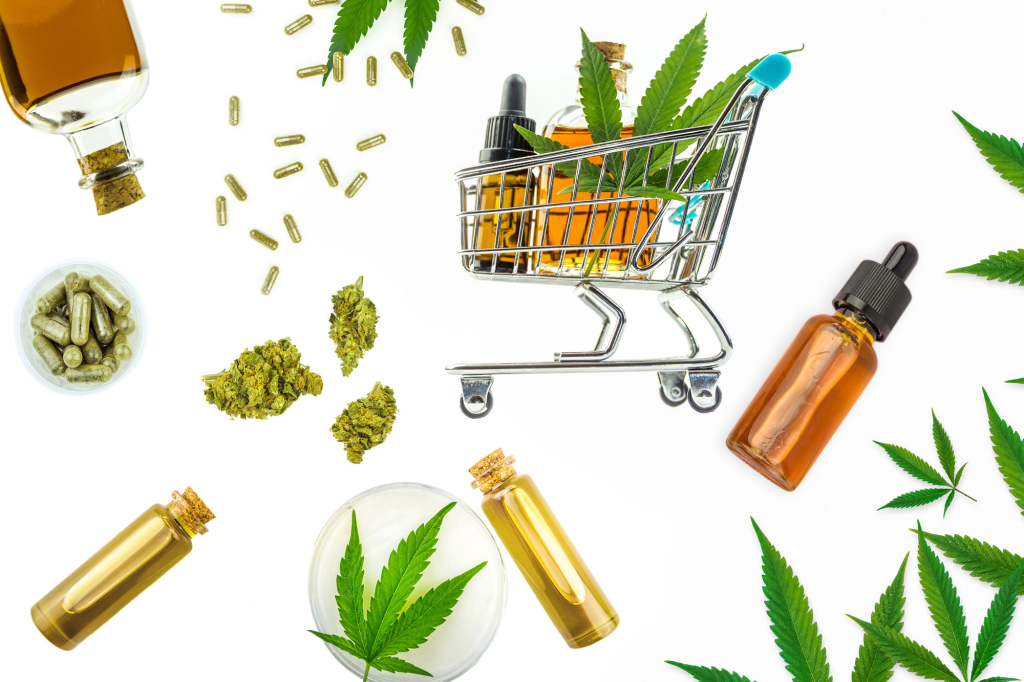
If you look at what actually sells, patterns become pretty clear. The most popular dispensary products tend to be the ones that remove friction.
Pre-rolls are a good example. They offer the experience of flower without any preparation. No grinding, no rolling—just open and use. For many people, that’s enough reason to choose them.
Vape cartridges are another consistent favorite. They’re small, easy to carry, and don’t leave much of a smell behind. That makes them especially practical in everyday situations.
Edibles—particularly gummies—continue to grow. They’re easy to understand, often come in measured doses, and feel less intimidating than traditional formats.
Industry analysts have been pointing this out for a while. Beau Whitney, Chief Economist at Whitney Economics, noted in an interview with MJBizDaily: “Consumers are increasingly choosing products that fit into their daily routines, which is why formats like edibles and vapes continue to gain traction.” (Source: MJBizDaily)
That idea—fitting into daily life—is probably the simplest way to explain what’s happening.
People aren’t just buying cannabis anymore. They’re choosing products that don’t disrupt how they already live.
Detailed Breakdown of Popular Cannabis Products
If you strip away all the marketing, what people actually buy usually comes down to how a product fits into their day. Not how innovative it sounds, not how it’s branded—but how it works in real life.
Flower is still very much part of that picture. It’s familiar, predictable, and doesn’t require much explanation. People know what to expect, and that matters. There’s also a certain ritual to it that newer formats don’t really replace.
Edibles attract a different kind of user. They’re slower, yes—but that’s often the point. You take one, wait, and let it unfold. No need to keep going back to it. For evenings or relaxed settings, that slower rhythm actually works better.
Vapes, on the other hand, are about immediacy and simplicity. You don’t prepare anything, you don’t think twice—you just use it. That’s a big part of why they’ve become so common. They remove friction, and people tend to gravitate toward whatever feels easiest.
With concentrates, it’s a bit different. They’re not trying to be convenient in the same way. They’re stronger, more direct, and usually chosen by people who already know their preferences. It’s less about experimentation and more about precision.
Then there are topicals. They don’t really compete with the rest because they’re used differently. No psychoactive effect, no shift in perception—just localized application. For some people, that’s exactly what they’re looking for.
What stands out here is that none of these products is replacing the others. They coexist because they solve different problems.
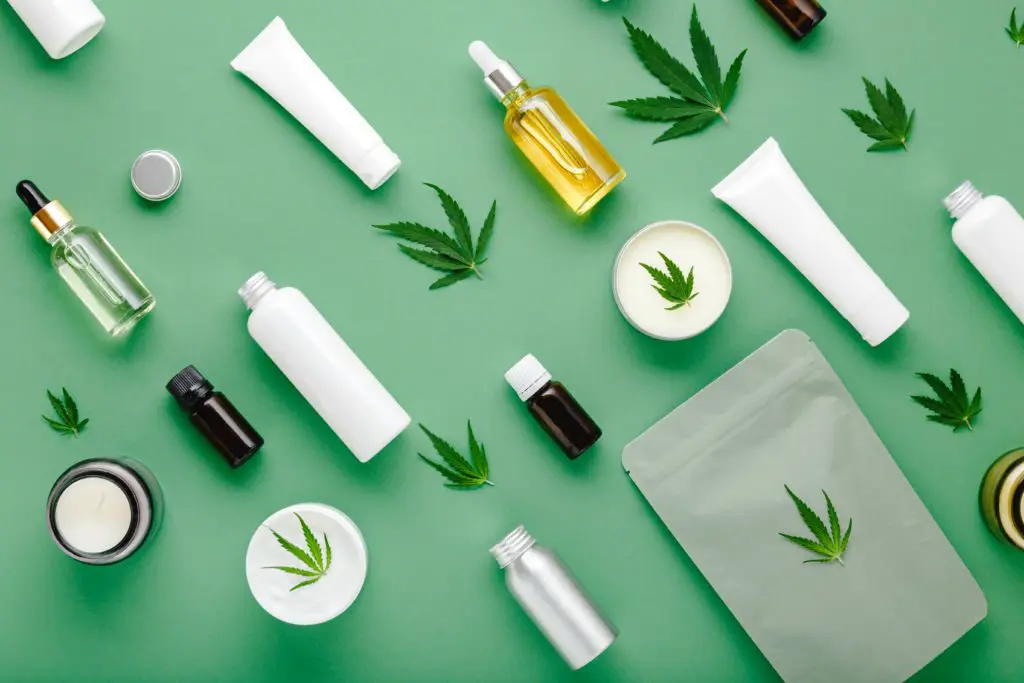
Why Consumers Choose Different Cannabis Products
There isn’t a single reason people choose one format over another. It’s usually a mix of small, practical considerations that add up.
Some of the most common ones:
- How quickly it works — this is often the first thing people think about
- How long it lasts — especially important for planning an evening or a day off
- How easy it is to use — no one wants unnecessary steps
- How noticeable it is — smell and visibility matter more than people admit
- How predictable it feels — consistency builds trust over time
What’s interesting is that these factors don’t carry the same weight for everyone. One person might care mostly about speed, another about discretion. That’s why the market doesn’t settle around a single “best” option.
Another thing that’s changed: people switch more than they used to. It’s not unusual for someone to keep two or three different formats on hand and choose depending on the situation. That wasn’t really the case before.
Trends Shaping the Future of Cannabis Products
The direction the market is moving in isn’t hard to spot—it’s becoming more subtle.
There’s a clear shift toward lower doses. Not everyone is chasing intensity anymore. In fact, a lot of consumers are doing the opposite, looking for something that sits in the background rather than taking over the experience.
Products are also starting to feel more familiar. Drinks that look like regular beverages, capsules that resemble supplements, and creams that could sit next to skincare. This is where the broader idea of a cannabis category starts to expand beyond traditional expectations.
Another change is less visible but just as important: better feedback loops. Retailers know what sells, what gets returned, and what gets ignored. That information shapes what comes next. It’s no longer trial and error—it’s adjustment.
Instead of dramatic innovation, what we’re seeing now is refinement. Products aren’t just new—they’re better aligned with how people actually live.
Conclusion: Navigating the Cannabis Product Landscape
If there’s one thing that stands out, it’s that the market doesn’t revolve around a single product anymore.
What matters now is fit. How a product fits into a routine, into a moment, into a preference. That’s what defines popularity more than anything else.
The most popular kinds of cannabis products aren’t necessarily the strongest or the newest. They’re the ones people come back to because they work without effort.
And once you understand that, the whole landscape becomes a lot easier to navigate.
FAQ: Common Questions About Cannabis Products
1. What are the most popular kinds of cannabis products for beginners?
Beginners usually gravitate toward formats that feel familiar and controlled. Edibles, especially low-dose ones, are common because they’re easy to portion. Vapes are also popular since they act quickly, making it easier to understand how much is enough without waiting too long.
2. How are edibles different from smoking or vaping?
The biggest difference is timing. Edibles take longer to kick in, sometimes over an hour, but the effects last much longer. Smoking or vaping works almost immediately, which gives more control in the moment but doesn’t last as long overall.
3. Why are some products more popular in dispensaries than others?
The most popular dispensary products tend to be the ones that remove small inconveniences. Easy to use, easy to understand, and consistent. If something feels complicated or unpredictable, it usually doesn’t stay popular for long.
4. Are stronger products always better?
Not necessarily. A lot of people actually prefer milder effects, especially if they’re using cannabis regularly. Stronger products have their place, but they’re not always the most practical choice for everyday use.
5. How do I know which product suits me best?
It usually comes down to a bit of trial and observation. Start with something simple, pay attention to how it feels, and adjust from there. There isn’t a universal answer—it’s more about finding what works in your own routine.
6. Is it normal to use different cannabis products at different times?
Yes, and it’s becoming more common. People often choose one format for convenience during the day and another for relaxation in the evening. That flexibility is part of how the market has evolved.
7. Do all cannabis products feel the same?
No, even within the same category, the experience can vary. Factors like dosage, composition, and individual tolerance all play a role. That’s why two products that look similar on the shelf can feel quite different in practice.