


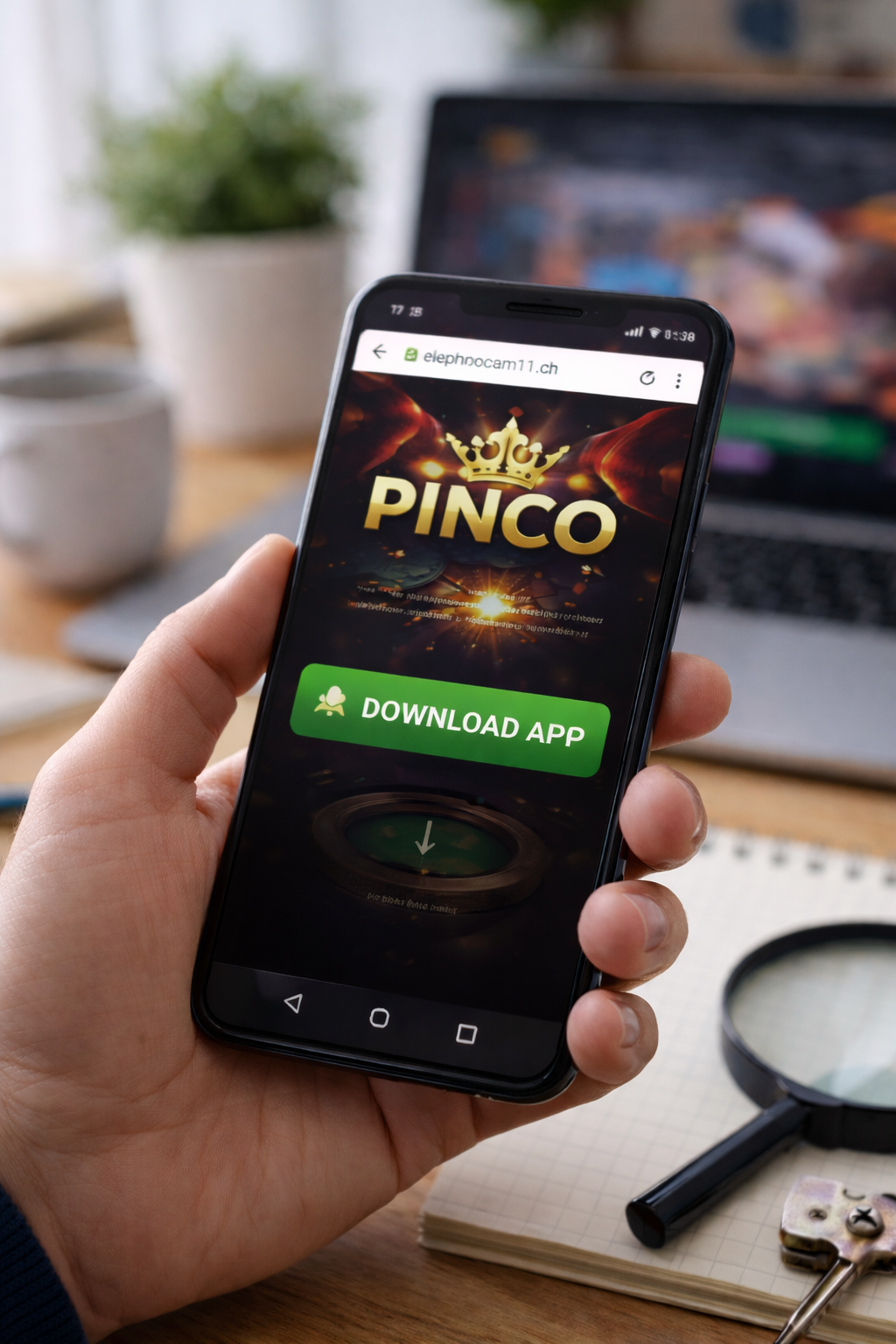
Installing a casino app on Android in 2026 is no longer just a matter of pressing a download button once. The main mistake happens earlier, at the moment when the user chooses not the file itself, but the page from which that file will be downloaded. That is why the process of installing the Pinco mobile app begins not with the APK itself, but with checking the site address, the secure connection, the logic of the redirects, and whether someone is trying to send you to a third-party domain disguised as a normal Download button.
Why in 2026 the Download Source Matters More Than the Installation Itself
On Android, apps from Google Play and files downloaded directly from a website follow different paths in the eyes of the system. In the second case, the device treats the source as external and requires separate permission, and that alone is already a sign that responsibility for choosing the page falls on the user. This is where the main risk appears, because the same banner with a casino logo may lead either to a legitimate brand page or to a clone that differs from the original by just one symbol in the domain.
That is why, when you install pinco on Android, the first thing to check is not the design of the website, but its technical credibility. A reliable page usually does not send the user through a chain of suspicious redirects, does not open three mirror sites in a row along the way, and does not replace the download with advertising buttons. If, before the APK, you are shown extra pop-ups, forced subscriptions, an archive instead of the installation file, or a request to completely disable your device protection, then this is no longer a matter of convenience, but a direct sign of an unreliable source.
There is another important point that is often overlooked. On modern versions of Android, permission to install is not granted to the whole system at once, but to a specific source, most often a browser or a file manager. This is a useful detail, because it allows you not to open the entire device, but to allow access for exactly one action. If the user acts carefully, they first download the file, check the Play Protect warnings, complete the installation, and then return the setting to a closed state, without leaving extra loopholes for future downloads.
How to Safely Install Pinco on Android Step by Step
A practically safe installation looks like a short sequence of checks with no unnecessary steps. First, you open the brand’s website manually, not through a random link from a messenger or an ad in a third-party channel. Then you make sure the address is written without extra characters, the page opens over HTTPS, and the download button leads specifically to an APK, not to some unclear archive or a third-party store. Only after that does it make sense to move on to the file itself and the installation permission.
What to Check Before Pressing the Download Button
Before downloading, it is better to go through a short filter that can save both your money and your device:
- Verify the domain manually and do not trust a link only because it looks familiar
- Check that the download button leads to an APK, not to a chain of redirects to third-party pages
- Make sure the site does not ask you in advance to disable Android protection or Play Protect completely
- Download the file only from one main page, not from APK collections or mirror catalogs
After that, you can move on to the installation without unnecessary haste. On Android, the system itself will offer to allow installation for the browser through which the file was downloaded, and here it is important to grant access only for the duration of that one operation. Then it is worth waiting for the Play Protect check, opening the app card, reviewing its name and basic permissions, and only then completing the installation. This approach takes two minutes longer, but it sharply reduces the chance that, under the guise of the needed app, a third-party or modified package will end up on your device.
Which Mistakes Most Often Lead to Installing Someone Else’s APK
The most common mistake looks completely harmless. The user searches for the app not through the official brand website, but through search results using a query like download apk, after which they land on an aggregator where dozens of files with similar names are listed together. On the surface, this seems more convenient, but it is exactly in such places that control over the source is most often lost. The problem is not downloading outside Google Play in itself, but that the user stops understanding who exactly is providing the installation file and how recently it was updated.
What to Do Immediately After Installation
Even after a successful installation, it is better not to consider the job finished. A careful user immediately checks whether the app launches without strange requests, whether it asks for permissions unrelated to its logic, and whether it tries to open third-party pages even before login. After the first launch, it makes sense to disable installation from that source again, and also make sure there is no duplicate APK left in the downloads folder if you do not plan to use it again. This is simple hygiene that in practice protects better than many loud promises on banners.
What Order of Actions Helps You Download Pinco Without Extra Risk
If everything is reduced to one working formula, it becomes very clear. First, you verify the site address and the file path, then you download the APK only from the brand’s main page, then you give temporary installation permission to a specific browser, pass the Play Protect check, and only after that do you open the app. This order does not make installing Pinco on Android more complicated; it makes it controlled, because the key protection here is built not on trust in a nice-looking button, but on attention to the download source and discipline in the small details.