


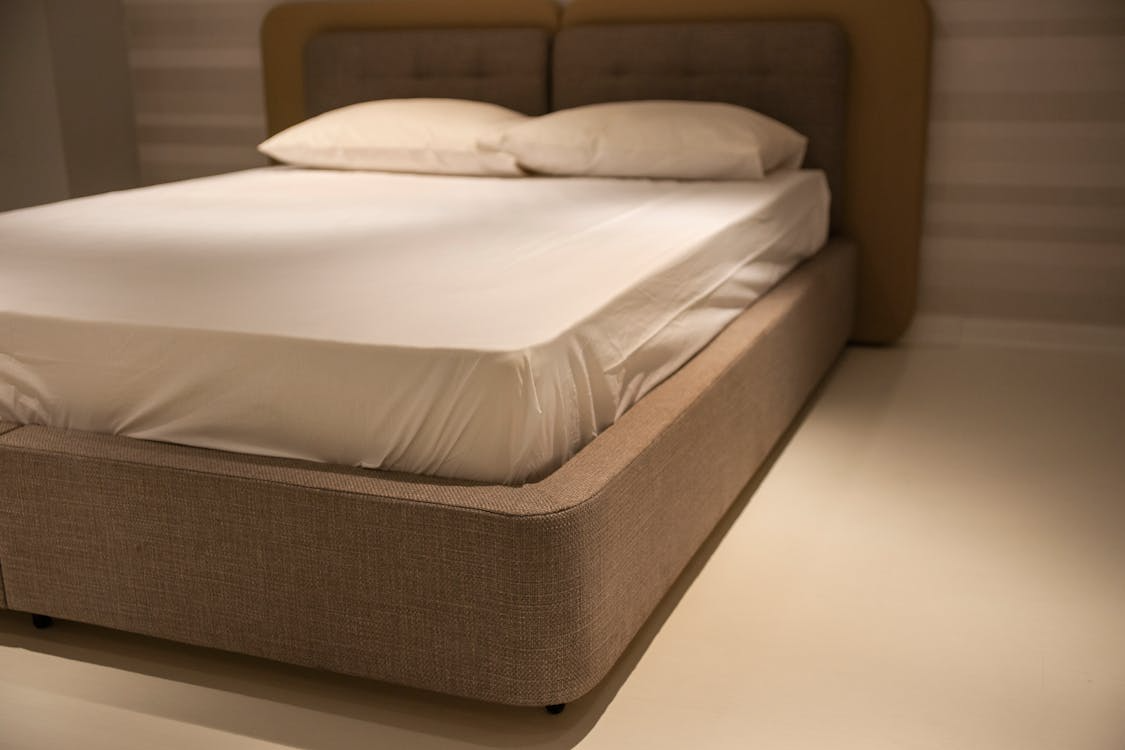
Most people think carefully about what they eat and put on their skin, but rarely consider what they sleep on. Given that the average person spends roughly a third of their life in bed, the materials in your mattress may have more influence on your health than you realize.
Organic mattresses have gained attention in recent years — not as a wellness trend, but as a practical response to growing concerns about chemical exposure during sleep. So, are they actually better for your health? Here’s what you need to know.
What Makes a Mattress “Organic”
An organic mattress is built from natural, sustainably sourced materials that are largely free from synthetic chemicals. Natural mattresses from Fawcett Mattress, for example, are made using certified organic cotton, natural latex (derived from rubber tree sap), and organic wool. To qualify as organic, most standards require that at least 95% of the materials be organically produced and that the manufacturing process avoid harmful chemical treatments.
Key certifications to look for include:
- GOTS (Global Organic Textile Standard): covers organic fiber processing
- GOLS (Global Organic Latex Standard): applies to latex components
- OEKO-TEX Standard 100: a certification that screens finished textiles for substances that could pose health risks.
- GREENGUARD Gold: certifies low chemical emissions
These certifications matter because the organic mattress market lacks consistent government regulation. Labels can be misleading, so third-party certification is the clearest indicator of a genuinely non-toxic product.
How Organic Mattresses Support Better Health

Reducing Chemical Exposure During Sleep
Organic mattresses do not off-gas VOCs, which helps improve indoor air quality. Since VOCs are airborne, sleeping on a conventional mattress means breathing those chemicals in throughout the night. The Roundup Organic materials, cotton, wool, and natural latex, do not undergo the same chemical treatments, so they do not release those compounds.
Supporting People with Allergies and Sensitivities
Organic mattresses are free of harmful dyes, flame retardants, adhesives, and pesticides. This makes them a practical option for people who experience skin irritation, eczema, or respiratory sensitivities. Natural latex is also highly resistant to mold and dust mites, two common household allergens that tend to accumulate in conventional mattresses over time.
Regulating Sleep Temperature
Materials like organic cotton, wool, and natural latex promote airflow, which helps maintain comfort in both hot and cooler seasons. Temperature regulation plays a direct role in sleep quality — waking up overheated is one of the more common causes of disrupted sleep.
Providing Pressure Relief and Postural Support
Natural latex conforms to the body without the sinking feeling associated with memory foam. It supports multiple sleep positions while maintaining a consistent shape over time. This can reduce pressure on joints and minimize discomfort, particularly for people who sleep on their sides or have back pain.
Who Benefits Most from an Organic Mattress
Organic mattresses are worth considering if you:
- Have allergies, asthma, or sensitivities to synthetic materials
- Experience skin irritation or eczema.
- Are concerned about long-term chemical exposure
- Are you purchasing a mattress for an infant or young child, whose developing systems are more vulnerable to airborne chemicals?
- Run hot during sleep and need better temperature regulation.
The Bottom Line
Organic mattresses are not a guaranteed cure for health issues, but the evidence points to real advantages, particularly around reduced chemical exposure, improved air quality, and hypoallergenic properties. For people who spend significant time in bed or who have existing sensitivities, the switch is a practical one. When shopping, look past marketing language and focus on recognized certifications. That’s where the real difference lies.