


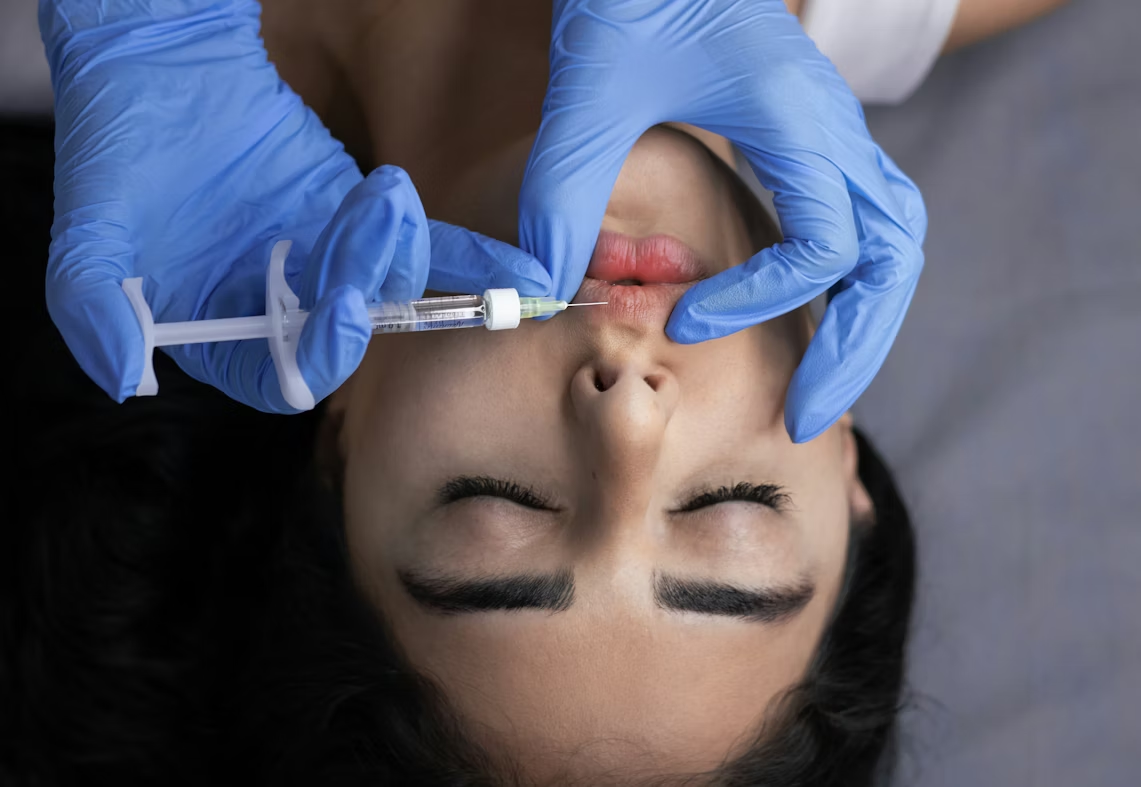
Thread lifts have gained significant traction as a non-surgical alternative to traditional facelifts. By inserting dissolvable sutures beneath the skin, practitioners can lift sagging tissue, stimulate collagen production, and restore a firmer appearance — all without a scalpel. Among the materials used for these procedures, PDO (polydioxanone) and PCL (polycaprolactone) are two of the most common options.
Each has distinct characteristics that make it suited to different needs and goals. Korean aesthetics retailers have responded to this growing demand by offering PDO and PCL threads at MeamoShop, making quality thread-lift materials more accessible to practitioners and consumers alike. Below, you’ll find a clear comparison of both thread types to help you make a more confident, informed choice.
What Is A PDO Thread Lift?
Polydioxanone, the material used to create PDO threads, has been widely applied in surgical sutures since the 1980s, making it a well-established and thoroughly studied option in aesthetic treatments.
In this treatment, thin absorbable threads are gently inserted below the skin’s surface using specialized fine needles. These threads come in several forms:
- Mono threads — smooth sutures that stimulate collagen and improve skin texture
- Cog threads — barbed sutures that latch onto tissue to provide a mechanical lift
- Screw threads — intertwined sutures used to restore volume in sunken areas
The body absorbs PDO threads within approximately six months. However, the collagen production they trigger can persist for up to 12 months after insertion, extending the visible results beyond the lifespan of the threads. PDO thread lifts are commonly used to treat mild to moderate sagging in areas such as the jawline, nasolabial folds, brows, and neck.
How Do PCL Threads Work?

PCL threads are made from polycaprolactone, a biodegradable polymer used in medical applications since the 1990s. Compared to PDO, PCL is a newer entrant in the aesthetics space, but it has gained attention for its durability and extended effects.
PCL threads are thicker and more rigid than PDO threads, which allows them to provide a stronger lifting force. They are inserted in much the same way — using fine needles beneath the skin — and are also available in mono, cog, and screw variations.
What sets PCL apart is its absorption timeline. These threads take one to two years to fully dissolve, and collagen stimulation can persist for an additional year after that. This makes PCL a common choice for patients with moderate to severe skin laxity in areas such as the cheeks, lower face, and neck. PCL threads can also be applied to body areas such as the arms, abdomen, and thighs.
How Long Do Each Treatment Result Last?
One of the most noticeable differences between PDO and PCL threads is longevity. PDO threads dissolve within about 6 months, with results typically lasting 6-12 months in total. PCL threads, on the other hand, remain in the tissue for up to two years, with collagen production continuing even after full absorption. For those seeking longer intervals between treatments, PCL threads may be a more practical option. However, the shorter cycle of PDO threads allows practitioners to adjust treatment plans more frequently, which can be a benefit for patients whose needs change over time.
How Each Thread Stimulates Collagen
Both PDO and PCL threads promote collagen synthesis as the body responds to the presence of a foreign material beneath the skin. As the threads create small, targeted injuries beneath the skin, they initiate a regenerative response that supports collagen synthesis and, occasionally, elastin development.
PCL threads tend to generate a more sustained collagen response because they remain in the tissue longer. The extended degradation period means the body is stimulated over a longer period. PDO threads produce a shorter but still meaningful burst of collagen activity. For patients focused primarily on skin texture and fine lines rather than significant lifting, PDO’s collagen response is often sufficient.
Who Each Thread Is Best Suited For
PDO threads are typically recommended for individuals in their late thirties to early fifties who have mild to moderate sagging. They work well for patients seeking subtle improvements in skin firmness and texture without significant downtime. PDO is also the more affordable option, making it accessible for those who prefer periodic maintenance treatments.
PCL threads are better suited for patients with moderate to severe laxity who want longer-lasting structural support. Because of their strength, PCL threads are also frequently chosen for patients with thicker skin or denser facial structures. The trade-off is a higher cost per session and, in some cases, a slower onset of visible results compared to PDO.
Safety and Recovery
Both thread types are biocompatible and biodegradable, meaning the body breaks them down naturally over time. For both treatments, side effects are usually limited to brief swelling, bruising, and localized tenderness. Recovery is quick, allowing most patients to get back to their usual schedule within a few days.
PDO threads have a longer history of clinical use, providing practitioners with a broader evidence base. PCL threads are newer in the aesthetics field, and while they are considered safe, the available clinical data is not as extensive.
Deciding Which Thread Is Right for You
Neither PDO nor PCL threads are universally better than the other. The best option ultimately depends on your individual concerns, the level of skin laxity, your budget, and your expectations for how long the results should last. A consultation with a qualified practitioner is the most reliable way to determine which thread type aligns with your goals. Both options offer a meaningful, non-surgical path to firmer, more lifted skin — the difference lies in matching the material to the individual.