


Trust comes from familiar flows, clear rules, and predictable outcomes. See what builds confidence in digital entertainment systems and how to spot it fast.
What Makes People Trust Digital Entertainment Systems in the First Place?
People don’t relax inside a system they don’t trust. They might click around out of curiosity, but they won’t settle in, deposit comfortably, or return consistently. In digital entertainment, trust isn’t moral approval. It’s emotional safety: I understand what’s happening, and I won’t get surprised.
That’s why the same lobby can feel fun to one user and sketchy to another. The difference is rarely the content. It’s the feeling of stability. If a platform feels chaotic, the brain stays alert. If it feels calm, the brain lets enjoyment start.
This is the practical side of digital trust psychology: trust is the condition that allows entertainment to feel lightweight instead of tense.
Familiarity as the first trust anchor
The fastest trust cue is familiarity. Not because users love repetition, but because recognizable patterns reduce uncertainty. When the layout feels known, users don’t have to solve the interface before they can enjoy it.
Familiarity comes from small, predictable shapes:
- Clear category labels (slots, live, jackpots, new releases)
- Consistent icons and placement (navigation stays where you expect)
- Language that matches user expectations (no weird labels for basic actions)
If someone has used any mainstream app, they carry learned patterns. They don’t consciously evaluate every menu. They look for signals that say: This works like other things I’ve used. That learned familiarity is often stronger than any written promise.
Predictability beats perfection
A perfect experience is nice, but predictable behavior is what builds trust over time. Users forgive minor friction if outcomes are consistent. They don’t forgive randomness in the interface when money or time is involved.
That’s where user trust in online platforms is made or broken:
- Rules stay stable (or changes are clearly communicated)
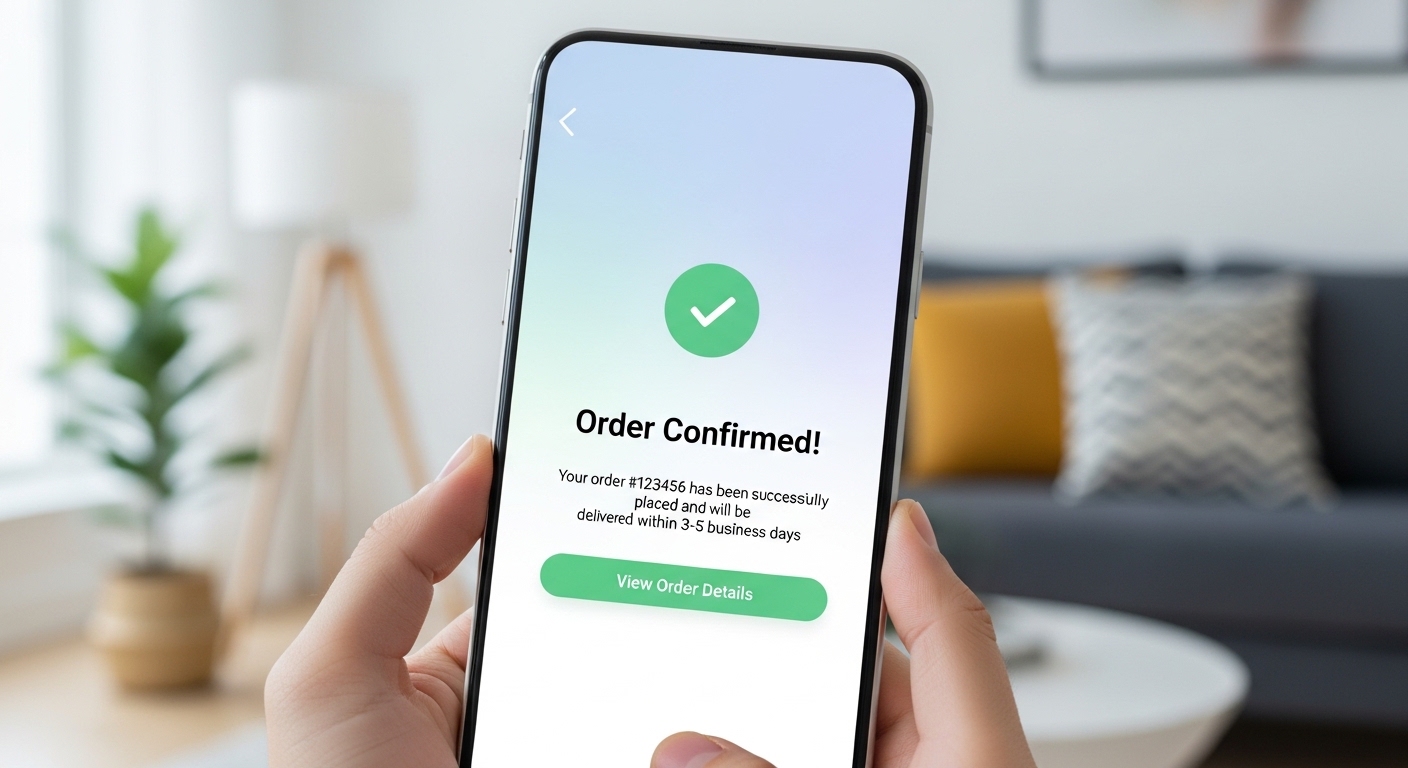
- Actions produce clear feedback (click → confirmation → updated status)
- Sessions don’t feel like a surprise box
It’s also why predictability in digital systems is a stronger trust driver than best design awards. Predictability reduces anxiety. Anxiety is what turns entertainment into effort.
A simple example: if a bonus status is visible and updates in a clear way, users feel in control. If it’s hidden behind multiple clicks or changes without explanation, suspicion grows even if the platform is legitimate.
Transparency signals that reduce suspicion
People trust systems that show their process. They don’t need a lecture, they need visible states. When a platform communicates what is happening, suspicion drops.
Practical transparency signals include:
- Visible loading and confirmation states (not silent transitions)
- Clear current status labels (balance, pending, completed, active bonus)
- Rules shown near decisions (not buried in a footer)
- Obvious exits (back, close, cancel, history)
This is where transparency of online casinos becomes real, not theoretical. It’s not about saying we’re transparent. It’s about showing the user what’s happening at each step so they don’t have to guess.
Effort signals and the role of friction
Speed is attractive, but too instant can feel fake. Small amounts of friction can actually increase credibility because they signal seriousness.
Examples of good friction:
- Confirmations before irreversible actions
- A short review step for deposits or changes
- Clear age and terms acknowledgement during signup
If everything is one-tap and silent, users can feel like the system is trying to rush them. That can backfire. Trust grows when the platform acts like it expects real decisions, not impulsive taps. The key is balance: enough friction to reassure, not enough to punish.
Control without overload
Users want control, but not responsibility for a hundred settings. The best systems offer tools that are easy to find, but don’t interrupt the main flow.
This is what control that builds confidence looks like:
- Filters that help you choose, not overwhelm you
- Clear categories instead of endless mixed tiles
- Settings that are visible when needed, quiet when not needed
- One job per screen design (find a game, review a bonus, manage account)
Too many options can create anxiety: If I choose wrong, I’ll mess it up. Confidence grows when choices are understandable and reversible.
Social proof without social pressure
Reviews, ratings, and popular labels can help when they don’t feel aggressive. Subtle social proof works because it reduces uncertainty without forcing a decision.
Helpful proof is quiet:
- Popular games sections that help discovery
- Visible favorites or saved lists
- Consistent category sorting that matches expectations
Unhelpful proof is loud:
- Constant pop-ups demanding action
- Exaggerated claims without context
- Pressure language that fights the user’s pace
Trust is not hype. It’s validation that the platform behaves normally, repeatedly.
Trust is built, not claimed
The strongest trust doesn’t come from a banner. It comes from repeated calm interactions: you tap, the system responds clearly, and nothing unexpected happens. Over time, the user stops monitoring the interface and starts enjoying the experience.
That’s also why transparency of online casinos is such a practical advantage. On platforms like Winshark, when states, rules, and boundaries are visible and easy to check, users don’t have to stay on guard.
Open Winshark and do your own quick check. If you succeed and you like the interface. Then you can try to have a small session with more confidence.