


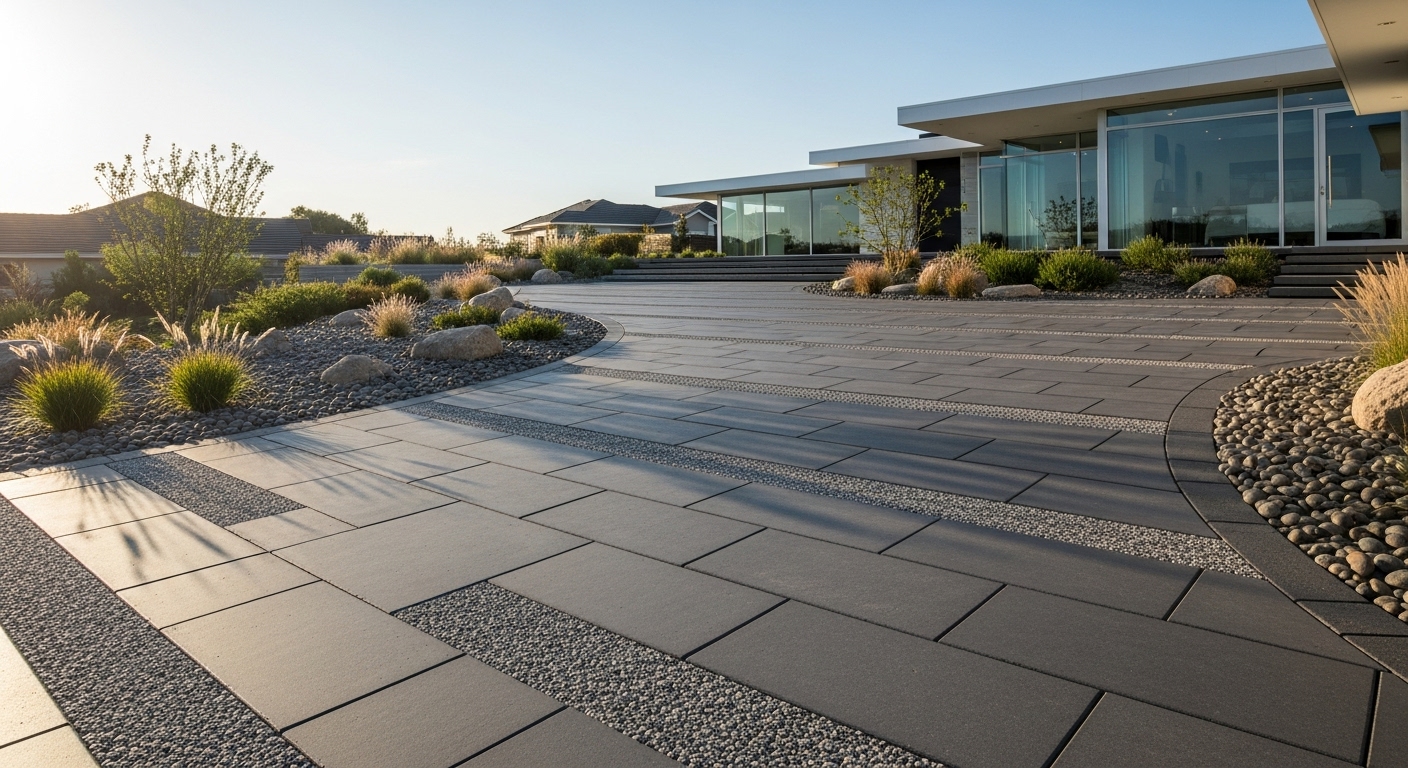
The driveway has evolved from a purely functional necessity into a striking architectural statement that sets the tone for your entire property. No longer merely a strip of tarmac or plain concrete leading to your garage, today’s driveways represent an exciting canvas for artistic expression and contemporary design. Modern homeowners increasingly recognise that driveway paving offers an exceptional opportunity to enhance kerb appeal, increase property value, and showcase individual style through innovative materials, creative patterns, and bold design choices.
The transformation of driveway aesthetics reflects broader shifts in landscape architecture and residential design philosophy. Contemporary approaches embrace materials that combine durability with visual impact, patterns that create movement and interest, and colour palettes that complement or contrast with surrounding architecture. Whether you’re planning a complete driveway renovation or simply seeking inspiration for future improvements, understanding the latest artistic design trends can help you create an entrance that’s both beautiful and enduring.
Geometric Patterns and Contemporary Lines
Geometric designs have emerged as one of the most sought-after trends in modern driveway paving, offering clean lines and visual sophistication that perfectly complement contemporary architecture. These patterns move away from traditional running bond or basketweave layouts, instead embracing angular precision and mathematical beauty.
Chevron and herringbone patterns, when executed with modern materials and contrasting colours, create dynamic visual movement that guides the eye along the driveway’s length. These designs work particularly well with porcelain pavers, concrete slabs, or resin-bound surfaces that can achieve the sharp angles and crisp edges these patterns demand. The strategic use of contrasting tones—such as charcoal and light grey, or warm sandstone against cool slate—amplifies the geometric effect, creating depth and dimension.
Hexagonal paving represents another exciting geometric option, offering an organic yet structured appearance. These six-sided tiles can be arranged in honeycomb patterns or mixed with contrasting colours to create optical effects that transform a flat surface into a visually complex landscape. Large-format hexagons in concrete or porcelain provide a contemporary statement, whilst smaller formats allow for intricate mosaic-like arrangements.
Linear designs using long, rectangular pavers create striking parallels or perpendiculars to the home’s façade, emphasising architectural lines and creating a sense of order and intentionality. When laid in staggered formations with varying widths, these linear patterns introduce subtle complexity whilst maintaining minimalist appeal.
Mixed Material Artistry
The contemporary approach to driveway design increasingly embraces the creative combination of different materials, creating textural contrast and visual interest that elevates the ordinary to the extraordinary. This mixed-material methodology allows homeowners to delineate spaces, create borders, and introduce artistic elements that reflect personal taste.
Combining natural stone with concrete pavers offers an appealing balance between organic beauty and modern functionality. Indian sandstone strips might border concrete sections, whilst granite setts can create decorative inlays or define parking spaces. This juxtaposition of materials adds depth to the design whilst addressing practical concerns such as drainage and durability.
Resin-bound surfacing has revolutionised artistic possibilities for driveway design. This versatile material allows for seamless colour transitions, custom aggregate blends, and even the incorporation of decorative elements like glass beads or coloured stones. Resin can be combined with traditional paving to create striking borders or used to fill spaces between stepping stones, offering both aesthetic appeal and excellent permeability for sustainable drainage.
The integration of grass or ground-cover planting strips between paving sections represents an increasingly popular eco-conscious design choice. Permeable grass pavers or strategically placed gaps in hardscaping allow for “green ribbons” that soften the driveway’s appearance whilst supporting biodiversity and managing surface water. This approach works particularly well in larger driveways where the interplay between hard and soft landscaping creates a garden-like atmosphere.
Steel or aluminium edging provides clean delineation between different materials whilst contributing its own modern aesthetic. These metallic accents catch light beautifully and offer excellent durability, creating crisp boundaries that maintain visual clarity over time.
Monochromatic and Tonal Sophistication
The power of a carefully curated colour palette cannot be underestimated in modern driveway design. Monochromatic schemes utilising various shades of the same colour family create sophisticated, cohesive appearances that complement contemporary architecture without overwhelming it.
Charcoal and black paving materials have gained considerable popularity, offering dramatic sophistication and a striking contrast to most home exteriors. Basalt, black limestone, or dark-toned concrete pavers create bold statements that remain elegant rather than harsh. These darker surfaces work exceptionally well with white, cream, or light-rendered homes, establishing visual drama whilst maintaining design harmony.
Conversely, light tonal palettes using shades of grey, taupe, and cream create airy, spacious impressions that particularly suit smaller properties or urban settings where lightness helps counteract surrounding density. Porcelain in pale tones, limestone, or light concrete offers timeless appeal whilst reflecting light beautifully, enhancing the sense of space.
The subtle gradient approach, where colours transition gently from darker to lighter shades, adds artistic movement without requiring pattern complexity. This technique, achievable through careful material selection and placement, creates visual flow that can guide visitors towards the entrance or highlight specific architectural features.
Three-Dimensional Texture and Pattern
Moving beyond flat, uniform surfaces, contemporary driveway design increasingly incorporates three-dimensional elements that add tactile interest and visual complexity. These textured approaches transform driveways into sculptural landscapes that engage multiple senses.
Raised patterns using cobblestones, Belgian blocks, or specially designed three-dimensional pavers create undulating surfaces that catch light and shadow throughout the day. These variations might form bands across the driveway’s width, create circular focal points, or establish textured borders that contrast with smooth central sections.
Tumbled or aged-finish materials introduce subtle surface variation that adds character without compromising the modern aesthetic. These finishes offer grip for vehicle tyres and pedestrian safety whilst contributing visual softness that prevents sterile appearances.
Stamped and imprinted concrete has evolved considerably, now offering realistic stone, slate, or wood textures that provide the aesthetic appeal of natural materials with concrete’s durability and versatility. Modern stamping techniques achieve remarkable detail and depth, creating convincing three-dimensional effects at more accessible price points than natural alternatives.
Recessed channels or grooves cut into concrete surfaces allow for creative line work, grid patterns, or custom designs that add sophistication through restraint. These subtle interventions demonstrate attention to detail and design consciousness without requiring complex material combinations.
Circular and Curved Statements
Whilst angular geometry dominates much of contemporary design, circular and curved elements offer compelling alternatives that introduce organic movement and focal interest. These designs particularly suit properties with curved driveways or where circular architecture features prominently.
Circular paving patterns radiating from a central point create impressive visual anchors, ideal for courtyard-style driveways or areas immediately before garage entrances. Concentric circles in contrasting colours or materials draw the eye inward, creating natural focal points that can be enhanced with planted containers, lighting, or sculptural elements.
Curved bands of contrasting materials that flow along the driveway’s length introduce graceful movement, guiding vehicles and visitors whilst adding aesthetic interest. These curves might mirror landscaping contours, architectural details, or simply introduce organic counterpoints to rectangular building lines.
Fan patterns and segmental arcs offer compromise solutions that incorporate curves without overwhelming the design. These can be positioned at entrance points, turning areas, or parking spaces, introducing variety whilst maintaining overall coherence.
Border Treatments and Edge Details
The edges and borders of a driveway significantly influence its overall appearance, and modern design pays careful attention to these transitional spaces. Contemporary approaches treat borders not merely as functional boundaries but as artistic opportunities that frame and enhance the central paving area.
Contrasting border materials immediately elevate design sophistication. A border of granite setts around a block-paved driveway, or dark porcelain strips framing lighter central sections, creates clear delineation whilst adding visual weight and structure. These borders might be single rows for minimalist effect or multiple bands that progressively transition between materials or colours.
Integrated planting borders soften hard edges whilst introducing seasonal colour and texture. Low-growing plants like lavender, catmint, or ornamental grasses can spill slightly onto paving edges, creating that desirable intersection between garden and hardscape. This approach works particularly well with contemporary architecture that values the connection between built and natural environments.
Illuminated borders incorporating LED strip lighting or small recessed fixtures transform driveways into sculptural features after dark. This functional yet artistic element enhances safety whilst creating atmospheric lighting that highlights the driveway’s design even when not in use.
Sustainable and Permeable Designs
Modern artistic design increasingly incorporates environmental considerations, with permeable paving solutions offering both aesthetic appeal and ecological responsibility. These approaches manage surface water effectively whilst delivering contemporary style.
Permeable block paving with wide joints allows water infiltration whilst offering traditional laying patterns in modern colour palettes. When joint widths are maximised and filled with decorative aggregates, the visual effect becomes part of the design rather than merely functional necessity.
Grass reinforcement grids create verdant surfaces that support vehicle weight whilst maintaining planted appearance. These systems suit less-frequently used driveways or secondary access routes, offering eco-friendly alternatives that contribute to garden aesthetics rather than dominating them.
Gravel stabilisation systems using cellular grids prevent aggregate migration whilst allowing complete permeability. When combined with carefully selected decorative gravels in contemporary colours, these systems deliver both drainage performance and clean, modern aesthetics that complement minimalist design philosophies.
Conclusion
The evolution of driveway paving from purely functional necessity to artistic opportunity reflects broader changes in how we conceive outdoor spaces. Modern designs embrace bold geometry, thoughtful material combinations, sophisticated colour palettes, and three-dimensional interest, all whilst addressing practical requirements of durability, maintenance, and environmental responsibility.
Whether you favour monochromatic minimalism, geometric complexity, or the textural richness of mixed materials, contemporary driveway design offers remarkable scope for personal expression. The key lies in selecting approaches that complement your property’s architecture, suit your practical needs, and reflect your aesthetic preferences whilst maintaining design coherence.
As you contemplate your own driveway project, consider how these modern artistic designs might enhance your property’s entrance. A well-designed driveway does more than provide vehicle access—it welcomes, impresses, and creates lasting first impressions that enhance daily living and property value alike. With thoughtful planning and creative vision, your driveway can become an artistic statement that beautifully bridges public and private spaces whilst serving its essential practical purpose for decades to come.