


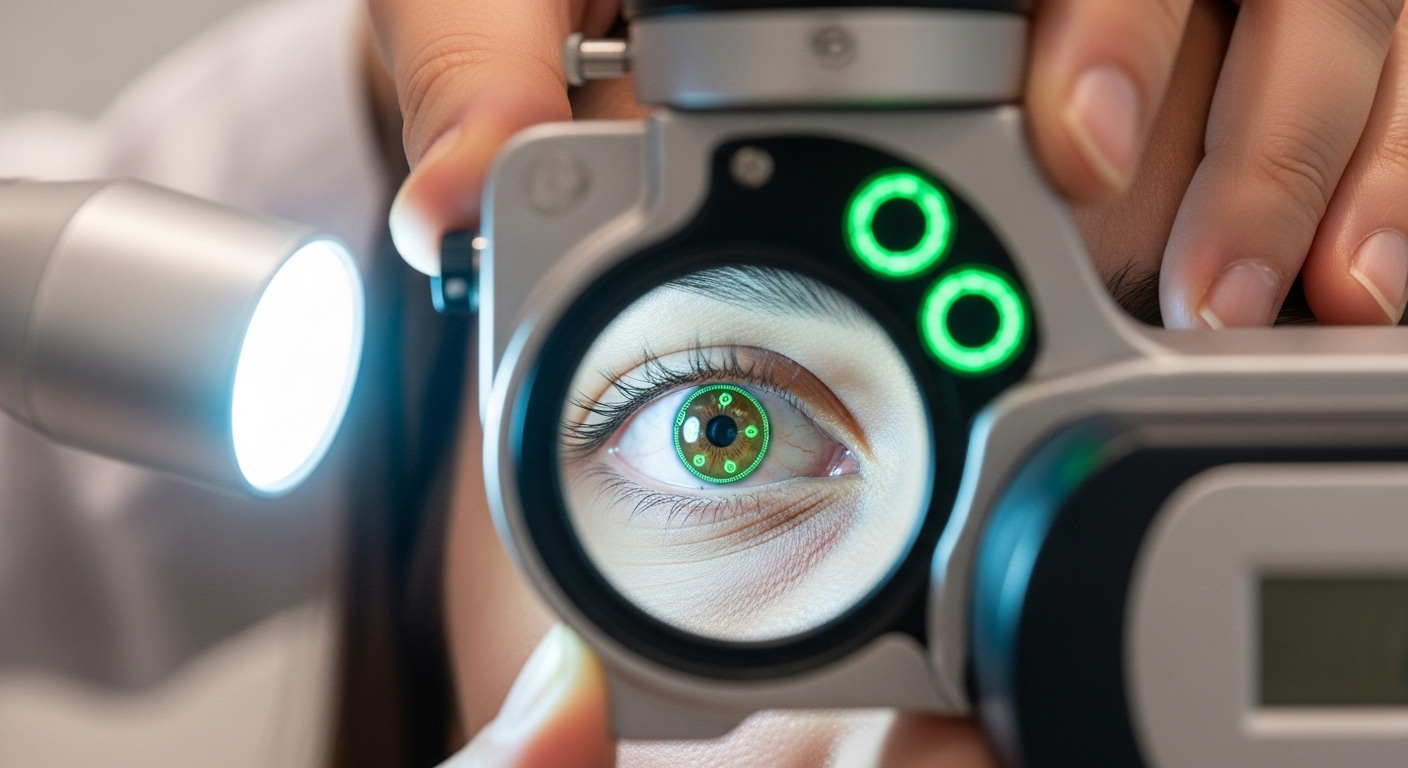
Contact lenses are a convenient and popular choice for many people seeking clear vision and a more natural look. While they offer several benefits, it’s important to remember that wearing contact lenses requires more than just picking up a pair off the shelf. To ensure comfort and eye health, a comprehensive eye exam and a professional contact lens fitting are both essential. Let’s dive into why these steps are crucial for safe and effective contact lens use.
Why Eye Exams Are Essential for Your Eye Health
Routine eye exams do more than just provide a prescription for glasses or contacts, but they’re vital for maintaining your overall eye health. Regular exams can help detect early signs of eye conditions that you may not notice, which makes early treatment possible.
1. Early Detection of Vision Issues
An eye exam allows your doctor to evaluate your eyesight and identify common vision issues like nearsightedness (myopia), farsightedness (hyperopia), and astigmatism. More importantly, it can reveal serious conditions such as glaucoma, cataracts, and age-related macular degeneration. These conditions can affect both your vision and eye health if left untreated. Early detection through comprehensive eye exams is essential to preventing these problems from worsening.
In addition to detecting vision issues, eye exams can also identify underlying health conditions like diabetes and high blood pressure, which may affect your eyes.
2. Maintaining Eye Health Beyond Vision
Eye exams are critical not just for identifying vision problems, but also for ensuring your eyes remain healthy. Conditions like dry eyes, blepharitis, and issues with your tear film can greatly affect comfort when wearing contact lenses. Regular exams allow these conditions to be detected early, preventing discomfort or potential harm to your eyes.
For example, tear film evaluation helps diagnose dry eye syndrome or meibomian gland dysfunction, which can impact how your eyes stay hydrated and how well you tolerate contact lenses.
What Happens During a Comprehensive Eye Exam?
Here’s a breakdown of a typical comprehensive eye exam, which will ensure your eyes are in good health and ready for contact lenses, glasses, or other vision correction methods:
- Reviewing Your Medical and Vision History
The exam begins with a discussion of your health history and any vision concerns you may have, like blurry vision or eye strain. - Testing Your Vision
You’ll be asked to read an eye chart to check your ability to see at different distances, helping determine your prescription for glasses or contact lenses. - Eye Health Check
The doctor will examine your eyes for signs of common conditions, including glaucoma, cataracts, and macular degeneration. Your pupils may be dilated to allow a more detailed look at the inside of your eyes. - Additional Tests
The doctor will check for issues with eye alignment and muscle movement to ensure both eyes work together properly. A cover test will be used to check how well your eyes synchronize when focusing on objects.
The Role of Contact Lens Fittings
Although contact lenses are an excellent option for vision correction, it’s essential to ensure they’re properly fitted to avoid discomfort and potential problems. A contact lens fitting ensures the right lenses for your eye shape, size, and vision needs.
1. A Custom Fit for Comfort and Safety
During a contact lens fitting, your eye care professional will consider several factors to ensure the lenses provide optimal comfort and effectiveness:
- Corneal Curvature: The shape of your cornea is crucial for ensuring the lenses fit correctly. If the curvature isn’t right, you could experience discomfort, dryness, or lens movement.
- Tear Film Health: If you have dry eyes or issues with your tear film, the doctor may recommend lenses that help retain moisture and reduce irritation.
- Lifestyle Considerations: Active individuals or those who spend long hours on digital screens may need specific types of lenses to minimize discomfort and ensure clear vision.
2. Preventing Common Contact Lens Problems
Wearing contact lenses without the proper fitting can lead to several issues, including:
- Dryness and Irritation: Poorly fitting lenses can cause dryness or irritation, which can worsen over time.
- Corneal Damage: Incorrectly fitting lenses can scratch your cornea, leading to lasting damage if not addressed.
- Infections: Ill-fitting lenses can trap bacteria against your eyes, increasing the risk of eye infections like keratitis.
What to Expect During a Contact Lens Exam
A contact lens exam goes beyond a standard eye exam and is focused specifically on selecting the right lenses for you. Here’s what you can expect during the process:
- Review of Your Medical and Vision History
Like a typical eye exam, the doctor will ask about your health history and any vision symptoms or issues you’re experiencing. - Eye and Cornea Evaluation
The doctor will evaluate the health of your eyes, particularly your cornea and tear film, to help determine which type of lenses are best suited for your needs. - Lens Fitting
Your eye care professional will measure the curvature and size of your eyes to ensure the lenses fit comfortably. They’ll also test your vision with different types of lenses to find the best match for you. - Lens Trial
After the fitting, you may be provided with trial lenses to test. This allows the doctor to assess how the lenses feel on your eyes and make any adjustments as needed.
Contact Lens Trial and Follow-Up Care
One of the benefits of contact lenses is the ability to try out different types to see which ones work best for you. Many eye doctors offer free trial lenses, giving you the opportunity to find the right fit and comfort level.
- Follow-up Appointment: After wearing the lenses for a while, a follow-up appointment is necessary to check how well they’re working and to make any adjustments to improve comfort and clarity.
Comprehensive Eye Exam vs. Contact Lens Exam
While both exams are vital for eye health, they have distinct purposes:
- A comprehensive eye exam assesses the overall health of your eyes and helps detect any vision problems or diseases.
- A contact lens exam ensures that your lenses fit properly and that your eyes are healthy enough to wear them comfortably.
Anyone who wears contact lenses should have both types of exams to ensure the best vision and eye health.
Conclusion
Contact lenses offer a great alternative to glasses, providing clear vision without the need for bulky frames. However, to ensure they’re used safely and effectively, it’s important to undergo both a professional eye exam and contact lens fitting. These steps help prevent potential issues like dryness, discomfort, and infections while ensuring your eyes stay healthy in the long run.
By visiting your optometrist regularly and following their advice on contact lens use, you can safely enjoy the benefits of contact lenses while maintaining excellent eye health.