


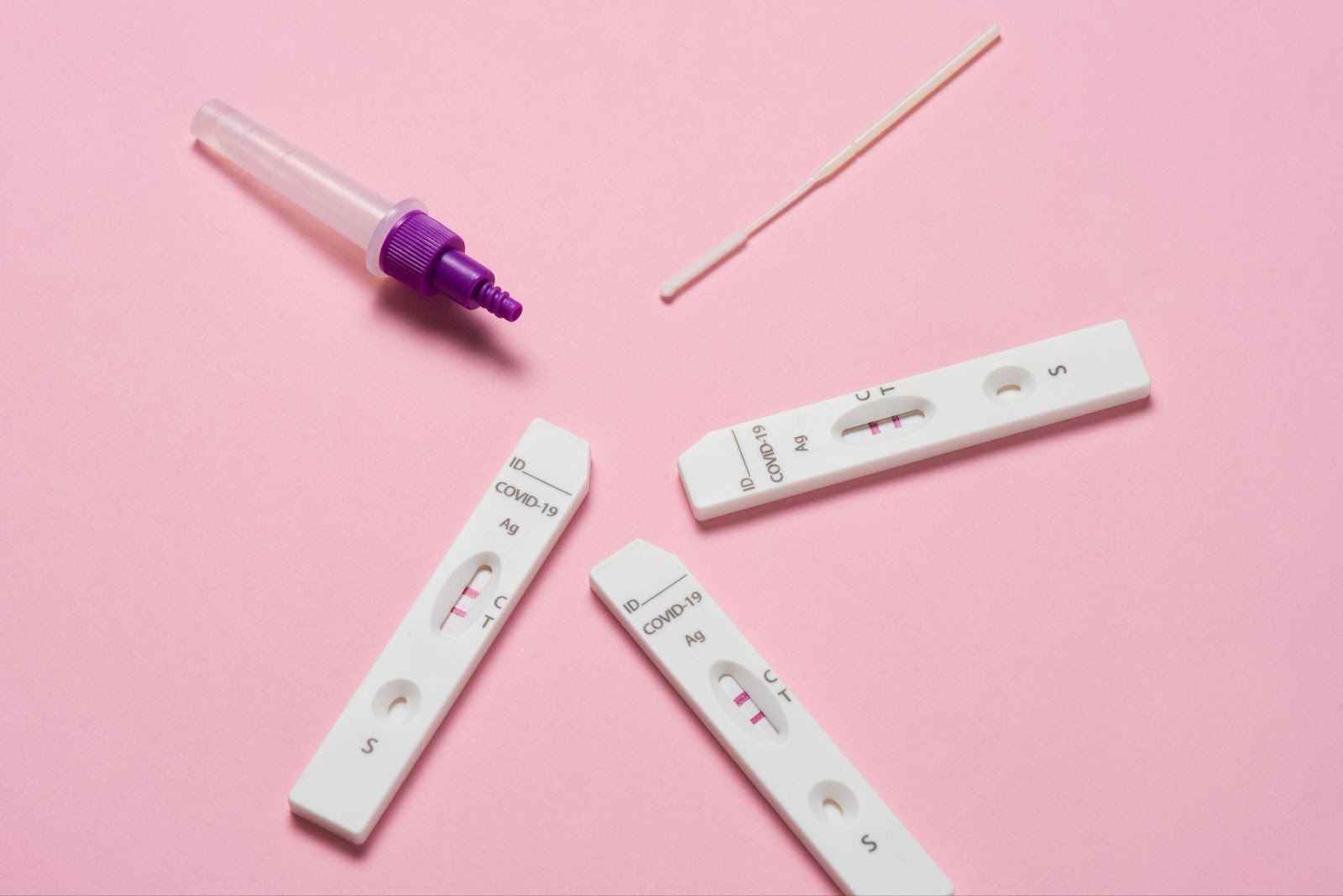
Perimenopause is more than a medical term; it represents a significant life phase affecting millions of women worldwide. It brings changes in hormone levels, menstrual cycles, and overall well-being, influencing daily routines and emotional health. While some women may notice subtle changes, others experience more pronounced symptoms that can disrupt their quality of life. Recognizing and understanding these changes early is essential, and this is where the concept of a perimenopause test comes into play.
A perimenopause test is not a single definitive test but rather a part of a broader approach to understanding the transition. This article explores what perimenopause is, the role of testing, and how women can navigate this phase with confidence and knowledge.
What Is Perimenopause?
Perimenopause is the transitional period leading up to menopause, when the reproductive system gradually slows its hormone production and ovarian function declines. It typically begins between ages 40-45, though some women may experience it earlier or later, and it can last several years. Menopause is officially reached when a woman has gone 12 consecutive months without a menstrual period.
During this phase, fluctuating levels of estrogen and progesterone can lead to a variety of physical and emotional symptoms, including:
- Irregular periods
- Hot flashes and night sweats
- Sleep disturbances and fatigue
- Mood swings, anxiety, or depression
- Decreased libido
- Changes in weight or metabolism
Although these symptoms are common, their severity and combination can differ widely among women. Understanding these signs helps women take proactive steps toward managing their health during perimenopause.
The Concept of a Perimenopause Test

The term perimenopause test has gained attention in women’s health discussions, but it’s important to clarify its purpose.
- Perimenopause is primarily a clinical diagnosis.
Healthcare providers typically diagnose it based on age, menstrual history, and symptom patterns rather than relying solely on lab results.
- Hormone levels fluctuate daily.
Tests measuring follicle-stimulating hormone (FSH), estrogen, or progesterone offer only a snapshot and may not fully reflect hormonal changes throughout the perimenopause phase.
- Tests are most useful for ruling out other conditions.
Many symptoms of perimenopause fatigue, mood swings, and sleep problems, can overlap with thyroid issues, vitamin deficiencies, or other medical conditions. Lab tests can help exclude these possibilities.
Understanding these nuances ensures that a perimenopause test is viewed as part of a comprehensive health assessment rather than a standalone solution.
When a Perimenopause Test Can Be Helpful
Although no single test confirms perimenopause, certain laboratory assessments provide valuable insights, especially when symptoms are unclear or when women are younger than the typical perimenopause age range.
Hormone testing (FSH, Estradiol)
Measuring FSH levels can indicate the declining function of the ovaries, while estradiol tests can provide insight into estrogen fluctuations. These measurements help healthcare providers better understand the transition and guide management decisions.
Thyroid function tests
Symptoms like fatigue, weight gain, or mood changes may mimic perimenopause but could be caused by thyroid dysfunction. Evaluating thyroid hormones (TSH, free T4) helps distinguish between these conditions.
Metabolic and nutritional assessments
Blood glucose, vitamin levels, and inflammation markers can influence symptom severity. Identifying deficiencies or metabolic changes supports a holistic approach to wellness during perimenopause.
For reliable guidance, Miracare offers evidence-based resources, consultations, and individualized approaches to hormone testing and perimenopause management.
Managing Perimenopause: Beyond Testing
A perimenopause test should complement, not replace, a holistic approach to health. Lifestyle, nutrition, exercise, stress management, and mental health support are all critical during this transitional phase. Women who combine these strategies with medical guidance often experience better symptom management and quality of life.
- Nutrition: A balanced diet rich in calcium, vitamin D, and phytoestrogens supports bone and cardiovascular health.
- Exercise: Regular movement, including strength training and cardio, improves energy, mood, and metabolic health.
- Stress management: Yoga, meditation, or therapy can help manage mood swings and anxiety associated with hormonal changes.
- Medical interventions: In some cases, hormone replacement therapy (HRT) or other treatments may be appropriate, based on individualized assessment.
Perimenopause in Modern Dialogue
Perimenopause is no longer a taboo topic. Women are increasingly discussing their experiences openly, seeking information, and using tools like the perimenopause test to make informed decisions about their health. Communities, blogs, and health platforms offer spaces to share experiences and learn from peers and professionals.
Remember: perimenopause is a transition, not an ending. Understanding your body, engaging with healthcare providers, and using tests thoughtfully can transform this period into one of empowerment and proactive health management.
A perimenopause test is a valuable tool within a larger framework of symptom tracking and professional evaluation. When combined with lifestyle strategies and medical guidance, it supports women in navigating this natural life stage with confidence, knowledge, and well-being.