


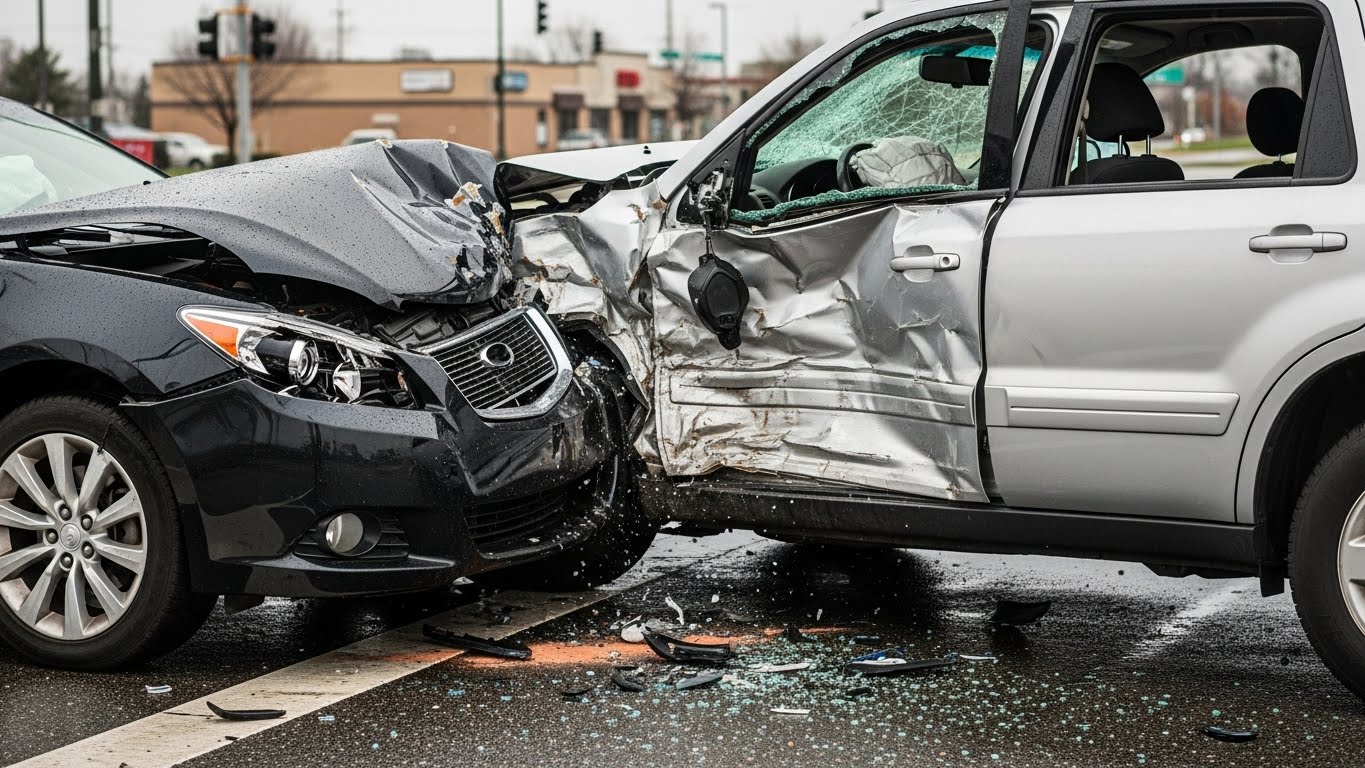
T-bone collisions—also called side-impact collisions—happen fast and often feel unfair because the people who get hit usually have little time to react. Unlike a rear-end crash where crumple zones can absorb some force, a side impact can strike close to the driver or passenger’s body with far less space for protection. That is why these collisions tend to cause more serious injuries, longer recoveries, and bigger disruptions to daily life.
Because the injuries are often severe and can involve multiple types of treatment, the claim value is frequently higher than other crash types. Still, higher value does not happen automatically. The strength of a claim depends on how the injury is documented, how clearly it ties back to the impact, and how the injury changes your ability to work and function. If you need help building a clear case, a Southfield car accident attorney can explain what evidence insurers look for and how injury patterns can affect compensation.
Side-Impact Anatomy: Why The Body Takes A Harder Hit
In a T-bone crash, the force enters from the side, which can twist the neck, spine, and hips in a way the body is not built to handle. Even when airbags deploy, side impacts can slam the body toward the door, window, or center console. Occupants often suffer injuries not only from the direct impact, but also from the sudden sideways motion and rebound.
Another reason these crashes tend to be serious is the lack of “buffer space.” The front of a vehicle has more structure to absorb energy. The side has less, so the impact transfers more force to the people inside. The closer the hit is to your seating position, the greater the risk of bone fractures, organ injuries, and lasting nerve or joint problems.
Head And Brain Injuries That Are Easy To Miss At First
Concussions and mild traumatic brain injuries can happen even without a visible head wound. During a side impact, the head may strike the window, pillar, or airbag, or the brain may be jolted by rapid movement. Symptoms may be delayed, showing up hours or days later as headaches, dizziness, sensitivity to light, nausea, memory issues, sleep disruption, or mood changes.
Brain-related symptoms often raise claim value because they can affect work performance, attention, and quality of life in ways that are hard to “push through.” Documentation is vital. Clear medical notes, follow-up testing when appropriate, and consistent symptom reporting help connect the condition to the crash and counter the common insurance argument that it was minor or unrelated.
Neck And Upper Back Injuries From Sudden Sideways Whiplash
Whiplash is commonly associated with rear-end accidents, but side impacts can create an even more complex strain pattern. The neck may whip sideways and rotate, stressing muscles, ligaments, discs, and joints. Many people feel stiffness and soreness at first, then develop radiating pain, numbness, or reduced range of motion as inflammation builds.
Higher-value claims often involve injuries that require extended treatment like physical therapy, imaging, injections, or specialist care. When symptoms last for weeks or months, insurers look for proof that the condition is persistent and limits normal life. Treatment consistency, diagnostic findings, and physician restrictions are often key to showing the true impact of a neck or upper back injury.
Rib, Shoulder, And Collarbone Injuries From Door-Side Impact
When the strike hits the side where someone is seated, the door panel can compress inward and absorb some of the crash force—right into the ribs and shoulder area. That can lead to bruised ribs, fractures, shoulder separations, collarbone fractures, and damage to the rotator cuff. Even “simple” rib injuries can be very painful, limit breathing, and make sleep difficult.
These injuries can increase a claim’s value because they interfere with work, lifting, driving, and daily tasks. They also tend to require repeated medical visits and can lead to complications, especially for older adults. X-rays, CT scans, orthopedic evaluation, and clear notes about pain levels and limitations help show why the injury is more than a temporary inconvenience.
Spine And Disc Injuries That Create Long-Term Problems
Side-impact collisions can compress and twist the spine, which is a common pathway to herniated discs, bulging discs, facet joint injuries, and nerve irritation. People may develop burning pain, tingling, numbness, weakness, or radiating symptoms down an arm or leg. Lower back injuries often become more noticeable after the first few days, especially once normal activities are attempted.
Claims become higher value when there is evidence of structural change and lasting impairment. Imaging results, specialist findings, work limitations, and the need for injections or surgery can significantly affect compensation calculations. It also matters how the injury affects function—standing, sitting, lifting, walking, and the ability to do job tasks consistently.
Pelvis, Hip, And Lower-Body Injuries During Passenger Compartment Intrusion
A hard side impact can shift occupants in their seats and damage the lower body, especially when the crash causes intrusion into the cabin. Knees may hit the door or console, hips can be forced out of alignment, and the pelvis may absorb blunt force. Common outcomes include hip labral tears, pelvic fractures, knee ligament injuries, and severe bruising that limits mobility.
These injuries often lead to higher-value claims because they affect basic movement and independence. Recovery may require mobility aids, extended therapy, and time away from work. Orthopedic imaging, documented gait changes, and notes about stairs, driving, and walking tolerance can help demonstrate the injury’s real effect on daily life.
Psychological Injuries And The Hidden Cost Of Side-Impact Crashes
Side-impact crashes can leave lasting emotional effects, especially when they happen suddenly at intersections. Even after physical injuries improve, anxiety and stress can keep disrupting daily life.
- Common psychological effects
- Anxiety or panic
- Fear of driving (especially through intersections)
- Sleep problems or nightmares
- Symptoms consistent with PTSD (hypervigilance, intrusive memories, startle response)
- Anxiety or panic
- How it impacts life
- Trouble working or concentrating
- Strained relationships
- Avoiding normal routines and errands
- Trouble working or concentrating
- How it can support a claim
- Emotional harm may be compensable when clearly tied to the crash
- Strong documentation includes therapy/counseling records, physician notes, and consistent symptom reporting
- Professional support helps counter arguments that it’s “just nerves”
- Emotional harm may be compensable when clearly tied to the crash
Why These Injury Patterns Often Increase Claim Value
T-bone crash claims tend to be higher because they often involve multiple injuries at once—neck strain plus concussion, rib injury plus disc problems, or hip injury plus psychological stress. Multiple treatment providers, diagnostic testing, longer recovery time, and lasting limitations can all increase the overall damages.
Just as important is the way the case is presented. Early medical care, complete documentation, and clear evidence tying the injury to the collision help reduce insurance pushback. When the injury affects the ability to earn income, perform normal tasks, or live comfortably, those details should be supported with medical records, work documentation, and consistent reporting over time.