


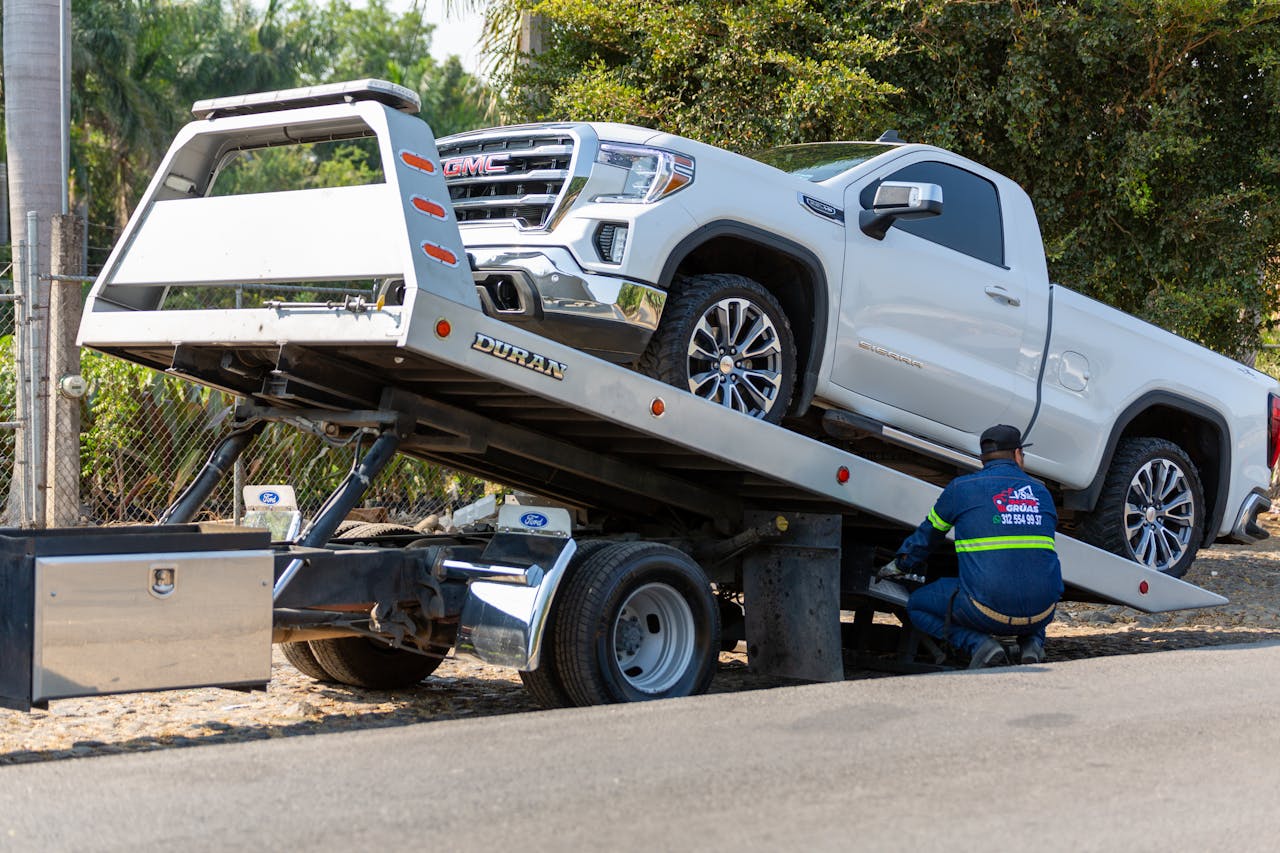
It may sound daunting to move a car across the country. However, when done correctly, it can also be easy and seamless, such as shipping a car to the West Coast. This guide sheds some light on the process so people can make the right decision.
Choosing the Right Transport Method
There are different methods of shipping a car, and each has its own advantages. The most popular type of transport is open transport, where trucks load cars on open trailers. This is a cheap option, but it leaves the car exposed to the elements. Enclosed transport, however, will protect the vehicle from the elements, but this service comes at an extra cost. Whether you want to ship a car to California or anywhere else, choosing either of these methods is based on the vehicle’s value and your budget.
Researching Reliable Carriers
This process can be more daunting depending on the carrier you choose. But first, read reviews and ratings from previous customers. Opt for companies that have established their reputation in delivering goods on time and providing reliable customer service. You must also confirm that the carrier has the proper licenses and insurance. This guarantees that the vehicle is protected throughout the trip.
Understanding Costs and Budgeting
Shipping costs depend on distance traveled, the size of the vehicle, and how it is transported. Seek quotes from several carriers for price comparisons. Watch for undisclosed expenses during the move. This prevents any surprises that might come from budgeting for these expenses. Time of shipment also matters; prices might change depending on the demand.
Preparing the Vehicle for Shipping
Preparations must be made before the car can be picked up. Ideally, the vehicle should be washed inside and out so any damage can be clearly visible when inspected. Photos from all angles should document damage. Personal items should be removed from the car, as they are not insured. The gas tank should be kept at one-quarter full to reduce safety risks and weight. Finally, any alarms that can stop the transport should be deactivated.
Scheduling Pickup and Delivery
Give yourself some leeway with dates when planning the shipment. This could improve prices and availability. Arrange a suitable pickup time with the carrier. This usually means having a backup plan in case of delays from unplanned events. Check the vehicle’s condition on delivery to be sure it arrived in the same condition as when it was picked up. First and foremost, you should not waste time; instead, you should resolve the issue with the carrier.
Understanding Insurance Coverage
One of the most essential elements of this process is car shipping insurance. However, most carriers provide only basic coverage, so you want to know the details. Examine the terms of the policy and obtain extra insurance, if required. That additional layer of protection does provide some peace of mind during transport. To prevent misunderstandings, put everything in writing.
Communicating With the Carrier
Keeping in touch with your carrier can help avoid problems. Follow up and report any issues as they arise. A dedicated thread connected to the driver can give real-time updates. This engagement prepares the groundwork for a more seamless experience and establishes trust between the shipper and the carrier.
Considering Timing for Shipment
Car shipping is, to some degree, a matter of timing, especially given that so many other variables influence when a car can be shipped, from common national holidays to the time it takes to bring together steady transport routes to reduce costs. Refrain from shipping during peak seasons when demand may push up prices. Savings can also come from planning the shipment for non-peak hours. Also, weather conditions can affect how quickly the item can be transported, so plan around the season when scheduling.
Exploring Additional Services
A few other carriers provide some additional services that help in these areas. These can be door-to-door services and dropped off at specific addresses. For those needing it quicker, expedited shipping is an additional option. When it comes to balancing these complementary services, their cost versus their added benefits should be weighed, and a decision should be made as to whether they are genuinely worth it for the specific bit of freight.
Wrapping Up
Transporting a car to the West Coast doesn’t need to be painful. A smooth process can be ensured by selecting the appropriate method of transport, doing some research on the carrier, and preparing the vehicle. Knowledge about pricing, insurance, and timing makes this process even more efficient. When organized and communicated with experts, transporting your car can quickly become a task with zero worries.