


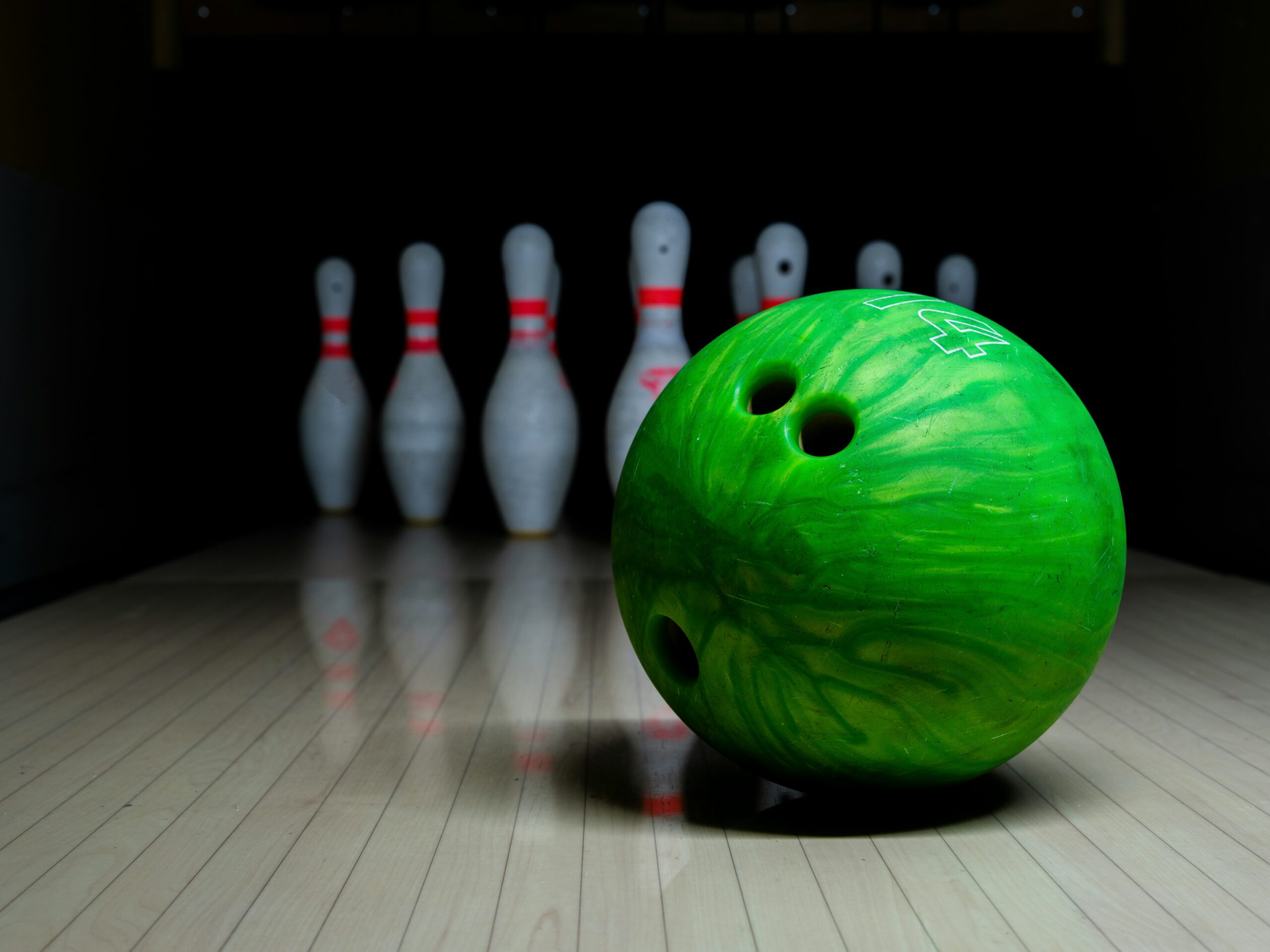
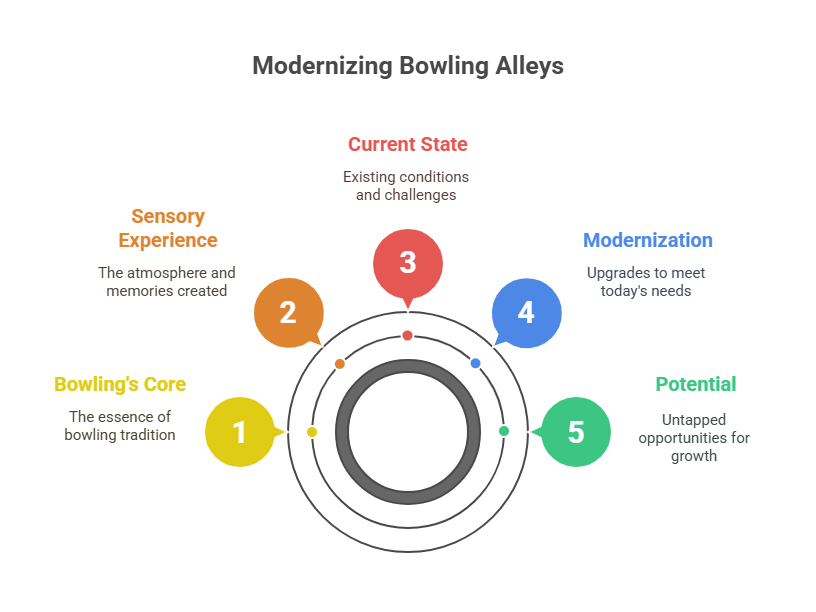
The first time I stepped into Maplewood Lanes, I knew I was somewhere special. The rich scent of lane oil mixed with decades of memories hit me immediately. Pins crashed in the distance while friends cheered each other on – it felt like walking into a piece of Americana itself.
But my consultant’s eye couldn’t ignore the worn carpet or the ancient scoring system that probably predated the Clinton administration. What I saw wasn’t a failing business – it was incredible potential waiting to be unlocked.
Here’s something that might surprise you: over 67 million Americans bowl every year. That’s not a dying industry – that’s a sleeping giant. The trick isn’t throwing out everything that makes bowling special. It’s about smart modernization that honors the past while embracing what today’s customers actually want.
Why Classic Bowling Alleys Still Matter
Classic bowling alleys aren’t just businesses – they’re community institutions. Think about it: where else can a 7-year-old compete against their grandfather on completely equal terms? Where else do first dates, birthday parties, and corporate retreats all happen under the same roof?
There’s something magical about the weight of a bowling ball in your hands, the satisfying crash of pins, and that moment when everyone holds their breath watching a potential strike develop. It’s accessible in a way most sports aren’t. You don’t need special skills, expensive equipment, or years of training. You just need to be willing to try.
That’s what we’re really preserving when we modernize these spaces – not just a game, but a uniquely American social experience that brings people together.
What Makes These Places Special
The magic is in the details most people don’t consciously notice. The rhythmic hum of ball returns. The distinctive thunk of a perfect strike. Those vintage neon signs that have welcomed bowlers for decades. Even the smell of rental shoes tells a story.
These aren’t just decorative elements – they’re the DNA of authenticity. Strip them away and you’ve got a generic entertainment center. Preserve them thoughtfully, and you’ve got something irreplaceable.
Design: Walking the Line Between Old and New
Modernizing a bowling alley is like restoring a classic car. You want it to run better and look sharper, but you don’t want to lose what made it special in the first place.
I learned this the hard way at Pinorama, my first major renovation project. Instead of ripping everything out, we kept the original lane wood but gave it a modern high-gloss finish that made it shine like new. We preserved the vintage signage but updated the font to something that felt both retro and contemporary.
The key is subtlety. Think restoration, not replacement. Expose those beautiful brick walls that tell stories. Refinish original floors instead of covering them. Add modern touches that complement rather than compete with the existing character.
Lighting Changes Everything
I cannot stress this enough: lighting will make or break your renovation. Those harsh fluorescent tubes from the 1980s have got to go.
I once worked on a project where we kept trying to add modern flair, but the lighting killed every attempt. Finally, we installed dimmable LED strips that could shift the mood throughout the day – bright and energetic for families in the afternoon, moody and intimate for evening leagues.
The difference was like night and day. Literally.
Furniture That Actually Works
Those plastic chairs that belong in a school cafeteria? Time to retire them. Invest in seating that people actually want to sit in for more than five minutes.
Retro diner booths are crowd favorites because they create natural gathering spaces for groups. Add some modern lounge areas with comfortable sofas for people who want to relax between frames. For the bar area, find sturdy stools with vintage character – metal frames with leather seats work great.
Everything should be durable enough for heavy use but comfortable enough that people want to stay longer and order another round.
Technology: Enhancing, Not Overwhelming
Here’s where many renovations go wrong – they either ignore technology completely or let it take over the entire experience. The sweet spot is using tech to make bowling more fun, not more complicated.
At Metro Bowl, we installed a scoring system that synced with a mobile app. Customers could track their improvement over time, compete in online leagues, and share their best games on social media. Revenue jumped 40% in six months, not because the technology was flashy, but because it made the experience more engaging and social.
Smart Scoring Systems
Modern scoring systems do more than just add up points. They provide real-time analytics on lane usage, help identify peak hours, and let you customize promotions based on actual customer behavior instead of guesswork.
The best systems integrate with mobile apps that let bowlers track their progress, participate in leagues, and earn rewards for frequent visits. When someone finally rolls that perfect 300 game, they can share it instantly with friends – turning your customers into your best marketing team.
Interactive Lane Projections
This is where the “wow factor” lives. Interactive projections can turn ordinary lanes into video game environments. Animated targets, obstacle courses, special effects that respond to strikes and spares – the possibilities are endless.
It’s not about replacing traditional bowling, it’s about offering something extra that keeps people coming back and gives them reasons to bring friends.
Success Stories That Prove It Works
Starlight Lanes was facing closure when new owners took over. Instead of giving up, they invested in a complete renovation that mixed retro-futuristic design with modern technology. Interactive projections, mobile app integration, strategic lighting upgrades, and smart marketing turned a failing business into a 60% revenue increase within one year.
Kingpin Alley took a different approach, focusing on events and partnerships. They converted unused space into a flexible venue for corporate events and live music, partnered with local breweries for craft beer tastings, and upgraded their food menu to actual gourmet options. By diversifying beyond just bowling, they increased profits by over 80%.
The lesson? There’s no single formula for success, but there are common principles: respect the past, embrace smart improvements, and give customers more reasons to visit and stay longer.
Beyond Bowling: Creating Multiple Revenue Streams
Depending only on lane rentals is like betting everything on one number at roulette. Smart operators create multiple ways to make money from every customer who walks through the door.
Food and Drinks That People Actually Want
The days of stale nachos and flat beer are over. Partner with local breweries for rotating craft beer selections. Create signature cocktails with local ingredients. Offer real food – gourmet sliders, artisanal pizzas, shareable appetizers made with quality ingredients.
A spicy Korean BBQ slider paired with a hoppy local IPA isn’t just dinner – it’s an experience worth posting about on Instagram.
Entertainment Zones That Work for Everyone
Classic arcade games like Pac-Man hit the nostalgia button for older customers while introducing kids to gaming history. Air hockey, skee-ball, and modern claw machines keep families engaged. VR experiences and cutting-edge attractions give you something competitors can’t offer.
The goal is creating an entertainment ecosystem where different age groups can all find something they enjoy, leading to longer visits and higher spending per customer.
Understanding Today’s Customers
Modern customers, especially millennials and Gen Z, want experiences they can share. They value authenticity over flashiness, convenience over complexity, and social connections over solo activities.
They’re also willing to pay more for quality experiences that feel genuine and well-executed. Understanding these preferences lets you design spaces and services that attract new customers while keeping traditional bowling enthusiasts happy.
Marketing That Actually Works
Renovation is only half the battle. You need a marketing strategy that reaches both existing customers and new audiences.
Social media is crucial, but different platforms serve different purposes. TikTok works great for short, engaging videos that show the fun side of your alley. Instagram is perfect for showcasing your food, drinks, and updated design.
The key is consistency and authenticity. Regular posts, genuine engagement with followers, and quick responses to comments and reviews build the kind of online reputation that drives real business.
Making Smart Financial Decisions
Bowling alley renovations can get expensive fast. Start with a detailed budget that includes everything: construction, technology, marketing, and ongoing operational changes.
Then be realistic about projected returns. How many new customers can you reasonably expect? How much more will existing customers spend? Set specific, measurable goals and track your progress carefully.
It’s easy to get carried away with exciting upgrades, but every dollar spent needs to contribute to increased revenue or improved customer experience that leads to higher profits.
The Bottom Line
The future of bowling is bright, but it requires owners willing to evolve while respecting what makes these spaces special. Smart modernization that blends retro charm with contemporary amenities, diversified revenue streams, and strategic marketing can transform struggling alleys into thriving entertainment destinations.
After decades in this industry, I’ve seen what works and what doesn’t. The businesses that succeed are the ones that understand they’re not just selling bowling – they’re selling experiences, memories, and community connections.
The pins are waiting. The customers are out there. Now it’s time to give them a reason to choose your alley over all the other entertainment options competing for their time and money.
*****
Keep up to date on what’s going on in the NoHo Arts District with the weekly NoHo News>>