


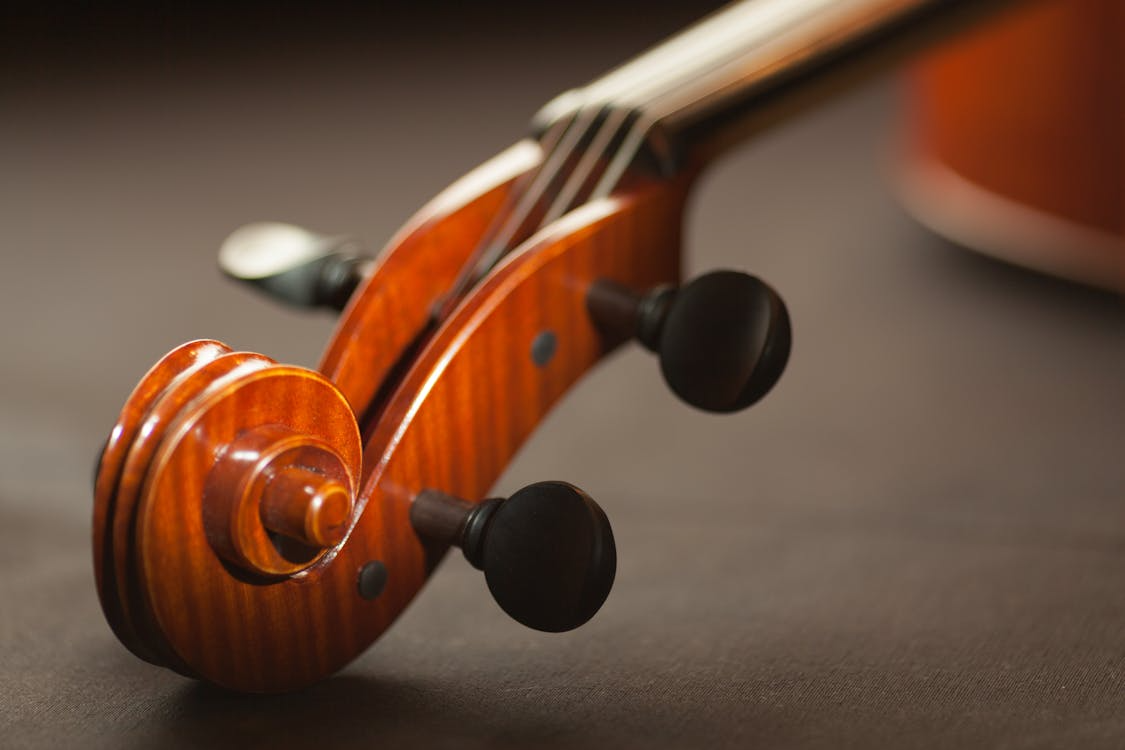
Violins are more than instruments. For many players, they are lifelong companions. Each note carries not only sound but also the hours of practice, the emotional investment, and the unique voice of the musician. With so much meaning tied to a single instrument, it’s no surprise that care and protection sit at the heart of a violinist’s routine.
The quiet side of artistry often involves attention to details that audiences never see. Proper storage, mindful travel habits, and thoughtful maintenance all help preserve tone and extend a violin’s life. Tools like Great Violin Cases become part of that hidden story, reminding us that protection is just as important as performance when it comes to the violin’s legacy.
Why Instrument Care Matters
Violins are delicate creations. Their wooden bodies are sensitive to changes in humidity, heat, and even small knocks during transport. A lapse in care can affect tone, create cracks, or shorten the lifespan of strings. Musicians know that caring for a violin is not just about preventing damage. It is about preserving the character of the sound.
Caring well for a violin also has a psychological impact. Players feel more confident knowing their instrument is safe, which allows them to focus on the music itself. This balance of responsibility and artistry is what keeps the tradition alive from one generation to the next.
The Role of Climate
One of the most significant factors in violin health is climate. Wood breathes and reacts to its environment. Too much humidity can cause swelling, while dryness can create cracks or weaken the glue. That is why many musicians use humidifiers or silica packs inside their cases.
Keeping a violin in stable conditions prevents sudden changes that stress the wood. Even small adjustments—like avoiding direct sunlight or not leaving the violin in a car—can make a big difference. These simple choices become habits that extend the life of an instrument.
Storage as Ritual
How a violin rests when it is not being played says a lot about the musician’s relationship with it. Some players treat storage as a ritual. Wiping down the strings after practice, placing the bow carefully in its slot, and checking that the case is fully closed are small but meaningful actions.
These habits also carry an emotional weight. They reflect the bond between musician and instrument. Caring for the violin becomes part of the performance, even if the audience never sees it.
The Case for Strong Cases
A violin’s first line of defense is its case. For musicians who travel frequently—whether across town or across the country—a sturdy, well-fitted case is essential. A reliable case protects against bumps, sudden weather changes, and the chaos of busy schedules.
Lightweight yet strong designs have become a favorite among players who move between rehearsals, lessons, and concerts. These cases are built to withstand daily wear while keeping the instrument safe and easy to carry. The right case is more than an accessory. It is a partner in a violinist’s journey.
Everyday Accessories That Help
Beyond cases, there are small accessories that play a big role in keeping violins in top condition. A few stand out:
- Rosin cloths and microfiber wipes: Keep rosin dust and oils from hands off the strings and body.
- String tube protectors: Guard the ends of strings from friction.
- Shoulder rests with padding: Provide comfort without scratching the instrument.
- Clip-on humidifiers: Maintain stable moisture levels inside the case.
While each item is simple, together they help create a layer of consistent care that supports both the instrument and the player.
Stories of Dedication
Many violinists have personal stories of why care matters. A teacher might recall how their first instrument cracked after being left too close to a heater. A student might share how their playing improved once they invested in a case that fit properly. These experiences highlight the link between respect for the violin and growth as a musician.
Even seasoned professionals often speak about the role of care in their craft. For them, the violin is more than wood and strings. It is an extension of the self, and protecting it means protecting their art.
Care as a Creative Act
In the end, caring for a violin is not just maintenance. It is part of the artistry itself. Every time a musician wipes down the instrument, checks the case latches, or monitors the room’s humidity, they are expressing devotion to their craft.
This kind of care preserves not only the violin but also the stories it carries. It ensures that when the bow meets the strings, the sound remains clear, full, and alive for years to come.