


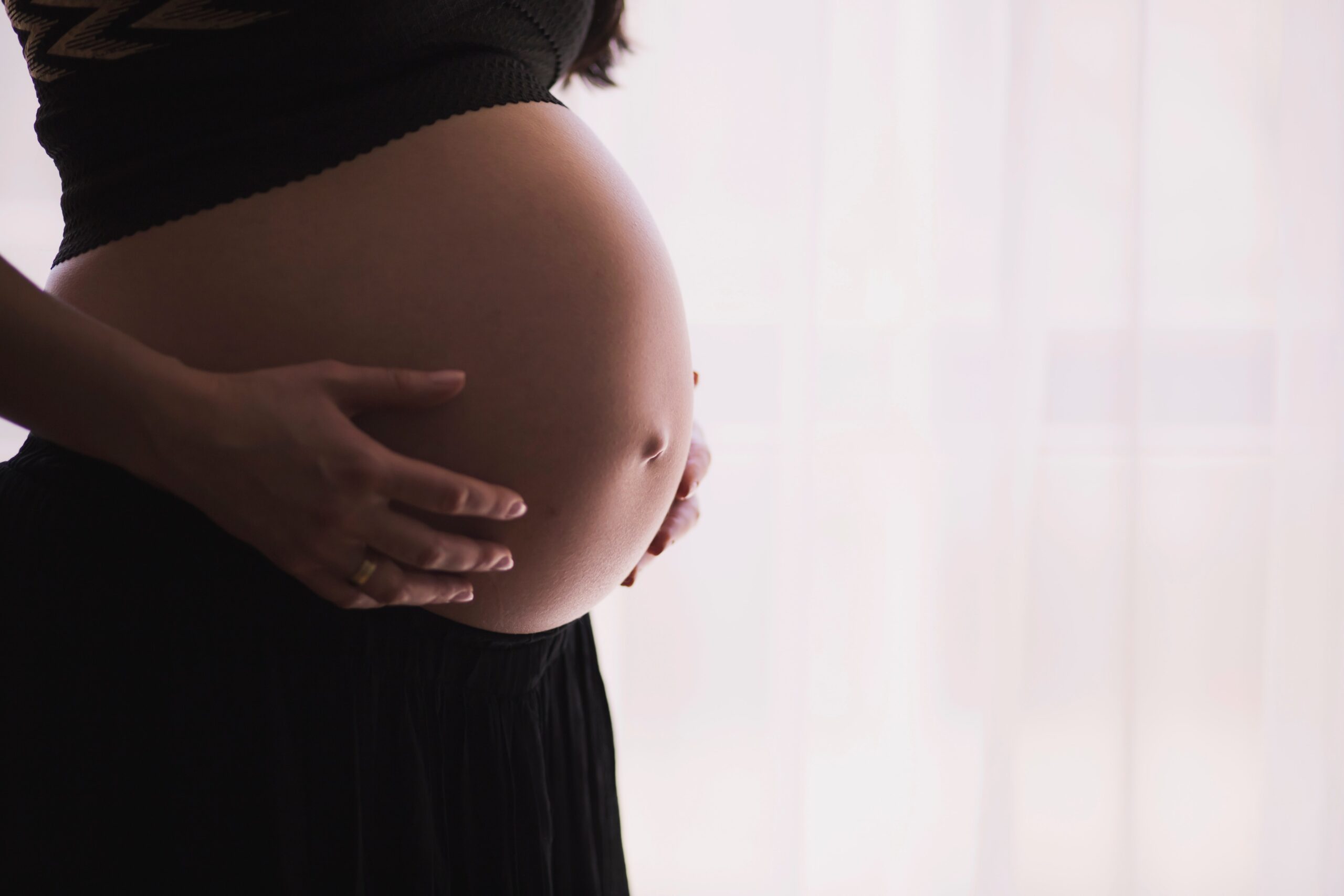
Pregnancy can bring about a slew of physical changes. Usually, it alters your physical shape, eating habits and moods. This is why it’s important to make sure that whatever you do to prepare for the arrival of your little bundle of joy is safe for the baby. It’s no longer just about you but also about the little life developing within you.
This list of pregnancy dos and don’ts might help you figure out what you should be concerned about — and what you shouldn’t. Ready? Let’s dive straight in!
The Do’s
Take Multivitamins
When you’re pregnant, it goes without saying that you should eat a well-balanced diet. More importantly, consume more vitamins and a mineral-rich diet to ensure that your growing baby is receiving all of the necessary nutrients.
Even so, a healthy diet may not be enough when you’re pregnant. In most circumstances, your doctor will recommend that you take folic acid, calcium and iron supplements. These three help your baby develop properly and avoid congenital disabilities.
A caveat: Always get medical advice before taking any multivitamin, as some can harm the infant if taken in large doses.
Work Out
Another thing you can’t afford to miss when pregnant is exercising. This is both good for you as the mother and the baby. Regular exercise may help you deal with a variety of pregnancy-related concerns, including:
- Excessive weight gain
- Mood problems
- Insomnia
- Muscle pains
If you are like most expectant mums, exercising is not something you will particularly enjoy during this period. Be sure to psych yourself up to stay in good shape and also safeguard the wellbeing of your unborn baby. As always, seek advice on which activities are safe and beneficial for you and your infant in this situation.
Watch Your Weight
Overfeeding is pretty common among pregnant mothers due to the growing demand for energy by their bodies. Your peers may advise you to eat more because you are feeding two human beings. Unfortunately, this could lead to unnecessary weight gain, which as you probably know is not good for your overall well being. To provide a safe environment for your baby, always eat well and keep track of your weight.
To support your growing fetus during your first trimester, you need only about 100 more calories each day. By the third trimester, you will have increased your daily calorie intake by around 300 to 500 calories.
Take Out Life Insurance
We cannot overstate how important it is to take out life insurance when you have people who depend on you, including your unborn child. Ideally, this policy guarantees that your child will be taken care of in the event you pass away. While at it, be sure to seek clarification from a reputable life insurance consultant to know exactly what you will be covered for as a pregnant mum.
The Don’ts
Don’t Smoke
Smoking should be avoided at all costs when pregnant. To prevent your kid from being born with low birth weight or defects, it’s important that you quit smoking as soon as you find out you’re expecting.
Besides health problems, children born to smoking mothers have been found to be more prone to attempt smoking at a young age and become regular smokers down the line.
Avoid Alcohol
When you’re pregnant, you should stay away from anything that could endanger the life and health of your unborn kid. Alcohol consumption during pregnancy increases your chances of giving birth to a kid with fetal alcohol syndrome (FAS). Lagging tendencies in terms of growth and development milestones, low birth weight, behavior issues and learning challenges are some of the common indications of FAS.
Don’t Eat Raw Meat
Raw or undercooked meat and eggs expose you to foodborne illnesses such as listeriosis and food poisoning. These infections can result in serious and life-threatening issues, birth deformities or even cause miscarriages. As such, if you’re pregnant, make sure all your eggs and meats are well cooked.
Don’t Consume Unpasteurized Milk Products
Milk and milk products provide a lot of nutritional value to the body. On the other hand, raw milk contains potentially hazardous germs that can cause significant health problems for you and your unborn baby.
The pasteurization process helps to kill hazardous bacteria that are common in cows, sheep, goats and most other animals. Salmonella, E. coli, Listeria, Campylobacter and other bacteria found in raw milk can cause foodborne illnesses, commonly known as “food poisoning.”
Conclusion
Carrying a pregnancy and giving birth to a healthy kid is every expectant woman’s dream. Luckily, this guide shows you some of the key dos and don’ts you must observe to get through your pregnancy successfully. We wish you the best of luck.